
Are Console Subscriptions Worth It? Comparing Xbox Game Pass vs PlayStation Plus
Game Pass or PS Plus? My dad verdict for a family of 4.
▶ Watch the 30s recap — or browse all reels
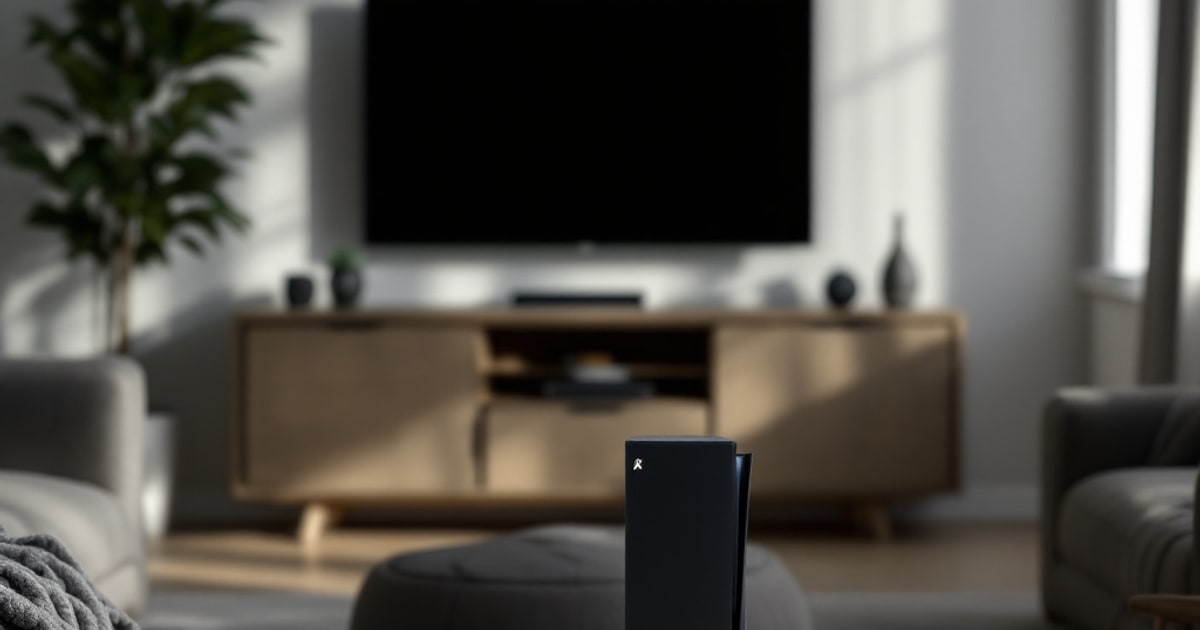
Xbox Game Pass vs PlayStation Plus is the kind of question that sounds simple until you have one living-room TV, two kids lobbying for different games, and a dad trying not to turn every new release into a mini budget hearing. I have already learned from How to Game with Kids Without Losing Your Sanity that family gaming works best when the setup removes friction instead of adding it, and subscriptions are a huge part of that equation.
In 2026, the headline prices are close enough to make the choice annoyingly interesting. Xbox Game Pass Ultimate sits around $19.99 a month, while PlayStation Plus Premium is about $17.99 monthly or $159.99 for the year if you pay upfront. In a real family-of-four house, day-one releases, kid-friendly variety, cloud streaming on an iPad, and how profiles work under one roof matter more than the sticker alone.
At our house, this debate usually starts with one kid wanting a cozy builder, another wanting something fast and loud, and me wanting a system that does not require buying a fresh $69.99 game every single time somebody gets bored on a rainy Saturday. That is where these subscriptions stop being abstract “gamer value” and start being real parent value.
What each gets you
Game Pass Ultimate feels like the all-you-can-test buffet. One subscription gets you the console catalog, PC access, online multiplayer, EA Play perks, cloud gaming, and the biggest differentiator of the whole comparison: Microsoft first-party releases landing day one. That changes the conversation immediately. When a new first-party game shows up, I am deciding whether I have the time to try it, not whether I feel like dropping another full-price purchase this week.
PlayStation Plus Premium is more like a well-stocked pantry. You get online play, the monthly Essential games, the broader Game Catalog, classic PlayStation titles, select game trials, and cloud streaming inside Sony’s ecosystem. That is a legit package, especially if your family already lives on PS5 and likes Sony’s older catalog. The weakness is not that PS Plus is thin. The weakness is that Sony still treats many of its biggest new exclusives like premium events first and subscription value later.
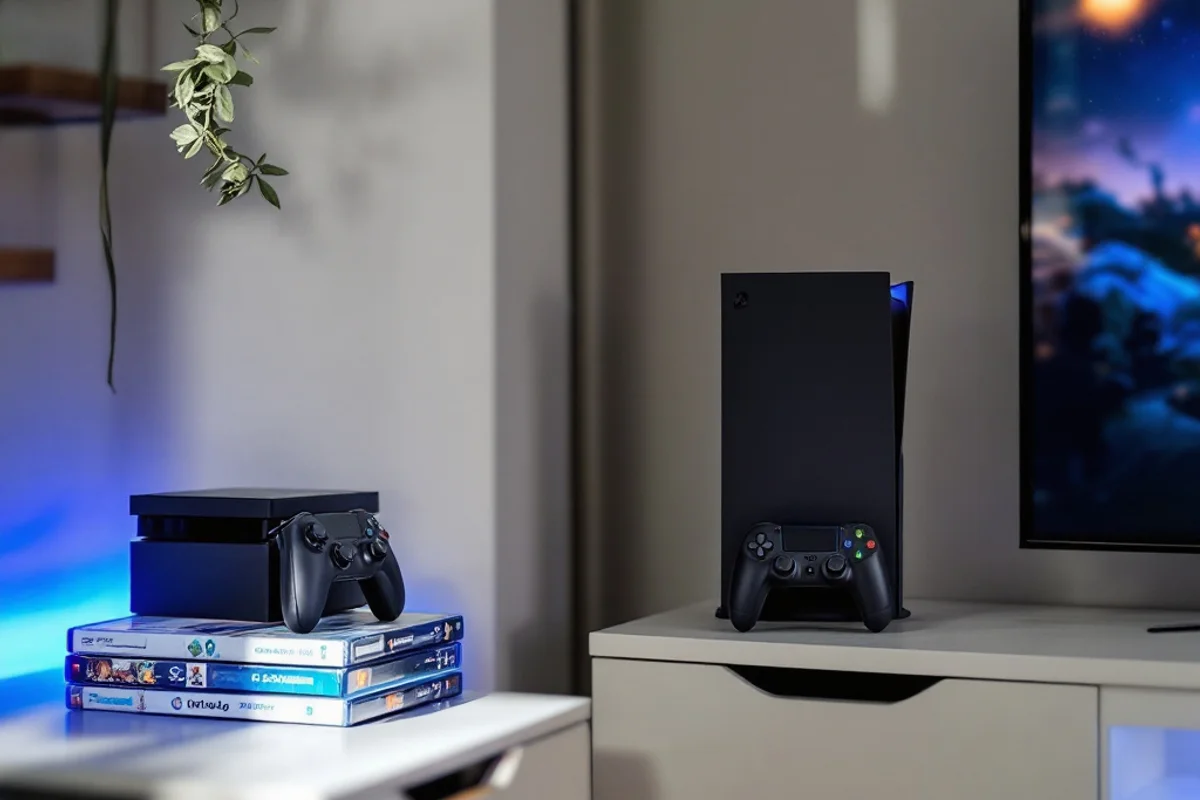
That is why hardware context matters. If you are buying from scratch, Game Pass makes a lot of sense paired with an Xbox Series X if you want the best performance or an Xbox Series S if you want the cheapest good-enough family box under the TV. If your house is already committed to a PlayStation 5, PS Plus Premium is the natural upgrade path. Neither service is bad. They just solve different problems: Game Pass is about constant access and experimentation, while PS Plus is about lower annual cost and a stronger curated back catalog.
Family-of-4 math
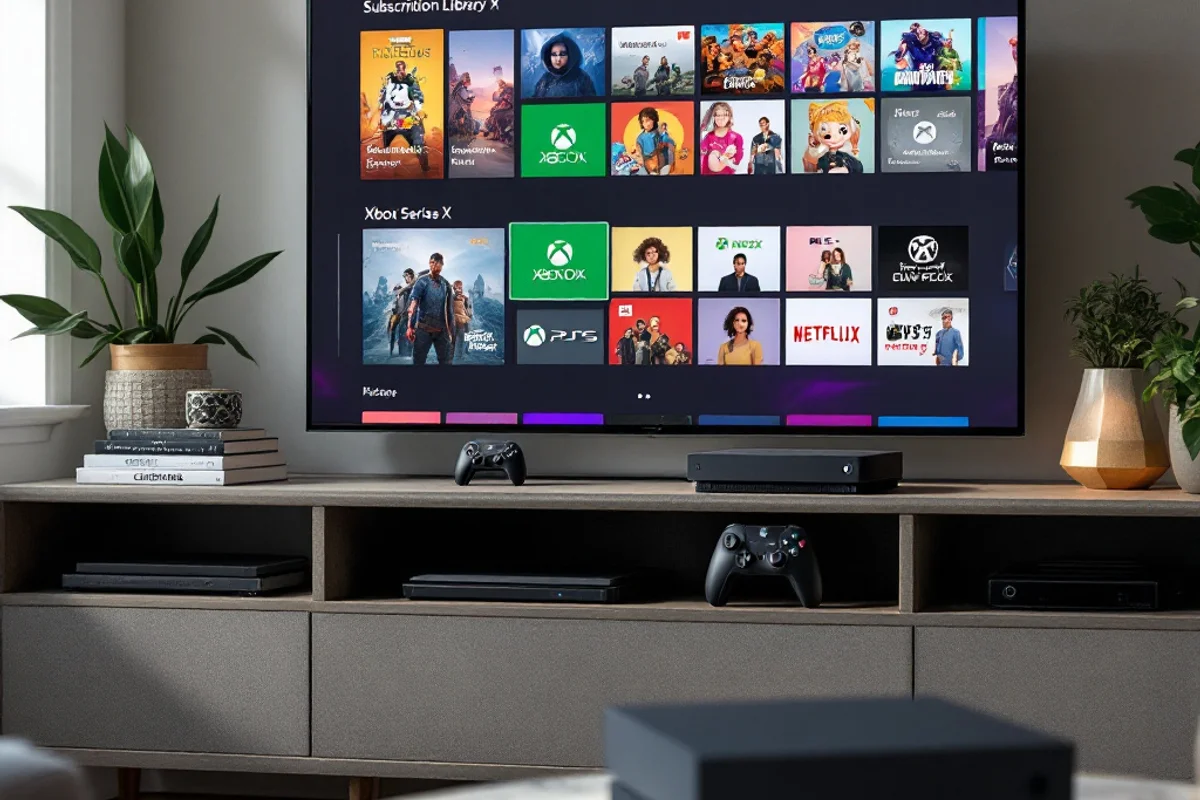
Here is the good news first: a family of four usually does not need four separate top-tier subscriptions if everybody is mainly playing on one shared living-room console. On a home Xbox or primary PS5, each person can still have their own profile, saves, and recommendations. That is the only reason this conversation stays reasonable.
Now the actual math. Game Pass Ultimate runs about $239.88 over twelve months if you pay monthly. PlayStation Plus Premium is about $215.88 if you stay monthly, or $159.99 if you catch the yearly rate and commit. So yes, PlayStation wins the pure sticker-price round. If you are the kind of parent who likes a clean annual number, that PS Plus yearly fee looks very attractive.
But the real family math is not “Which subscription is cheaper?” It is “Which subscription helps me avoid buying more games on top of it?” Game Pass has a stronger case there because day-one Microsoft releases are included. If your house plays even four full-price releases you otherwise would have bought, Ultimate is suddenly easy to defend. PS Plus Premium can still pay off, but the break-even gets fuzzier because Sony’s biggest headline launches often remain separate purchases for a while.
I also think parents should include the hidden support costs in the conversation. If family gaming is becoming a real lane in your house, you are probably also adding a spare Xbox Wireless Controller or DualSense controller, and eventually somebody wants a digital Xbox gift card or PlayStation Store gift card for add-ons or a game the sub does not cover. Those extras are normal. They just make me value the subscription that reduces surprise spending the most.
If your kids mostly replay the same comfort titles for months, the smarter budget move may honestly be skipping the subscription and mixing in cheaper evergreen picks from Best Nintendo Switch Games Under $20 (2026). But if your house loves variety, subscriptions can absolutely save money.

Kids library quality
This is the section that matters most in a real house, because the best subscription is not the one with the loudest marketing. It is the one that keeps the peace on a random Tuesday night.
Game Pass wins my household on sheer kid-friendly variety and low-risk discovery. The library usually feels broader, more willing to let you poke around, and better suited to the “try it for twenty minutes and see if it sticks” reality of family gaming. That matters more than adults admit. Kids do not always want a prestige masterpiece. Sometimes they want a bright co-op game, a building sandbox, a racing game, or something slightly weird they can bounce off without you feeling like you lit seventy bucks on fire.
PS Plus Premium is still strong, just different. The catalog often feels more curated and a little less chaotic. If your family prefers polished single-player adventures, a better retro bench, or a smaller menu of “we know these are good” options, PS Plus can be easier to manage. I would call it the calmer library. Game Pass is the noisier buffet.
For mixed ages, I still give the edge to Xbox. It pairs especially well with couch-friendly picks like the ones I rounded up in Best Co-Op Video Games to Play with Your Kids (2026), because the subscription encourages trying co-op games you might never buy blind. That keeps family game night fresh without making dad the treasurer of every experiment.
The other subtle win for Game Pass is emotional. When kids know a library is there to explore, they stop lobbying quite so hard for every trailer they see.
Cloud streaming reality
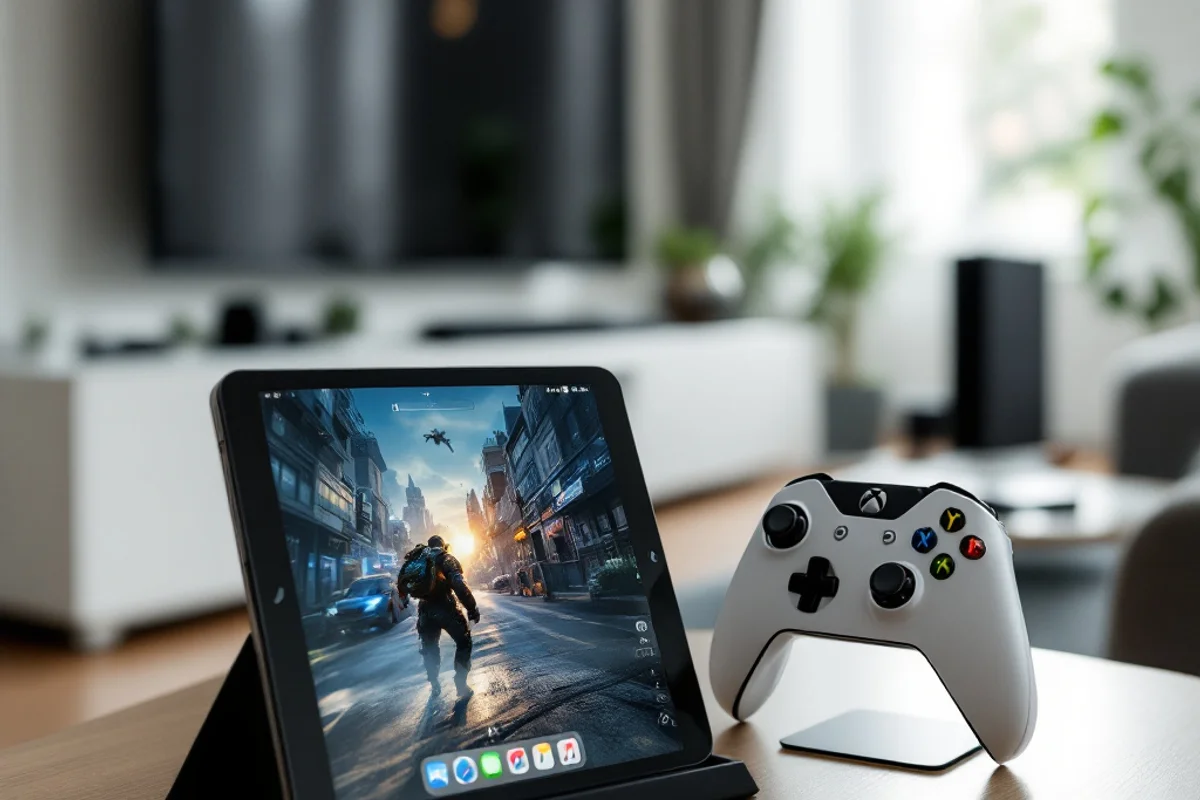
Cloud gaming is the most overpromised and underexplained part of this whole fight, so here is the dad version: Xbox cloud streaming is legitimately useful, but only when you treat it like a convenience lane instead of a miracle. On Game Pass Ultimate, the ability to pull a game onto an iPad through the browser, pair a controller, and keep a kid occupied while the main TV is taken is real value. In a one-TV house, that matters a lot.
It is also not magic. Strong home Wi-Fi makes a huge difference. Calm games, co-op games, builders, and slower-paced adventures tend to feel better over cloud play than twitchy competitive stuff. Hotel Wi-Fi still turns cloud gaming into interpretive dance. I would not buy the subscription for cloud alone, but I absolutely count it as one of the reasons Game Pass fits family life so well.
PlayStation Plus Premium has cloud streaming too, but it feels narrower in practical family use. If you stay inside Sony’s lane and mostly stream on supported PlayStation hardware or a PC, it can be solid. What it does not do as cleanly is the casual “hand the kid the iPad while the TV is busy” move. That difference sounds tiny until you live with it. Then it becomes the entire tie-breaker.
Profiles also matter here. On the living-room console, both ecosystems handle separate family profiles well enough. On portable or streamed access, Xbox simply feels more flexible for the everyday juggle. In a tight room or single-screen setup like the ones I talked through in Gaming Setup for Small Spaces (Under $500), that flexibility is worth more than a tiny monthly price gap.
My pick + why
If I am recommending one subscription to the average family of four in 2026, I am picking Xbox Game Pass Ultimate.
Not because it is the cheapest. It is not. Not because every game in the library is a winner. That is definitely not true either. I am picking it because it is the most forgiving option for real family life. It gives you the broadest shot at finding something for different ages, different moods, and different devices without forcing a new purchase every time the household taste shifts. The day-one releases matter. The cloud option on an iPad matters. The sense that the subscription is constantly saying “sure, try it” instead of “go buy it first” matters.
PS Plus Premium is still a good membership, and if you are already a PlayStation-first family that mostly wants a cheaper yearly plan plus access to a polished back catalog, I would not call it a mistake at all. In fact, if your house tends to finish a few big curated games instead of bouncing among ten different titles, PS Plus Premium may feel cleaner and more efficient.
But for dad math? Game Pass is the one I can justify without squinting. It is the better hedge against boredom, rainy weekends, sibling disagreement, and the constant temptation to buy just one more game. If I were setting up a fresh family box today, I would lean hard toward an Xbox Series S for pure value or an Xbox Series X if I wanted the nicer long-term living-room machine. Either way, I would budget a second controller on day one, because family gaming with one controller is less “bonding activity” and more “tiny labor dispute.”
Frequently Asked Questions
Is Xbox Game Pass Ultimate worth it if my family only uses one console?
Usually, yes. If everybody mostly plays on one shared Xbox in the living room, one Game Pass Ultimate subscription can stretch surprisingly far because each family member can use their own profile on the home console. It becomes worth it especially fast if your house regularly tries new releases, rotates through lots of games, or wants the cloud-play backup when the TV is already claimed.
Is PlayStation Plus Premium the better deal if I pay yearly?
On sticker price alone, PlayStation Plus Premium wins that round because $159.99 for the year is meaningfully cheaper than paying roughly $19.99 per month for Game Pass Ultimate. The catch is that Sony still keeps many of its biggest day-one exclusives outside the subscription at launch, so the total yearly cost can climb fast if your family also buys one or two marquee PS5 games.
Which service is better for kids and casual family gaming?
For most mixed-age households, I give the edge to Game Pass because the library encourages low-risk sampling. Kids can bounce from racers to co-op games to Minecraft-style comfort picks without every experiment becoming a purchase. PlayStation Plus is still strong, but it feels more curated and a little less flexible when several people want different kinds of games in the same week.
Can either service replace buying games outright?
Not completely. A subscription is best for families who like variety, shared discovery, and trying several games a month. If your house only plays one sports game, one battle royale, and one comfort title all year, buying those directly is often cheaper. The sweet spot is a family that samples enough of the catalog to avoid multiple $60 to $70 impulse buys.
What to Read Next
- Best Co-Op Video Games to Play with Your Kids (2026)
- How to Game with Kids Without Losing Your Sanity
- Nintendo Switch vs. Steam Deck: Which Handheld Console Reigns Supreme?
This post was AI-assisted and reviewed by Dad.

Written by Nick Reef
Nick is the Pacific Northwest dad behind OpsHQ Go — software engineer by day, parent of three by night. Everything here is tested first-hand by our family of five (plus three labs and an orange cat): recipes cooked in our kitchen, trails hiked on real weekends, games played at our table.
More about Nick & the family →Found this helpful? Share it!
Get More Shortcuts
Weekly tips, hacks, and adventures delivered to your inbox.