
Best Free Productivity Apps (2026) — No Subscriptions Required

The productivity app market has a subscription problem. Tools that used to cost $5 once now want $10/month forever. That’s $120/year for a to-do list.
Good news: you don’t need any of it. These 10 apps are genuinely free — not “free for 14 days” or “free but the useful features cost extra.” They’re tools you can use daily without ever entering a credit card number.
1. Notion — The Everything Workspace
What it does: Notes, databases, wikis, project boards, and documents in one app.
Why it’s great: Notion replaced four separate apps for most people who try it. Need a reading list? A project tracker? A personal wiki? A meal plan database? All of it lives in one place with a flexible block-based editor that adapts to however your brain works.
The free tier includes: Unlimited pages and blocks for individual use, sharing with up to 10 guests, 5MB file uploads, and full API access.
Power move: Use Notion’s template gallery to skip the blank-page paralysis. There are hundreds of community-built templates for everything from habit tracking to job hunting.
2. Todoist — Task Management That Stays Out of Your Way
What it does: Captures, organizes, and schedules tasks with natural language input.
Why it’s great: Type “Call dentist every 6 months starting March 15” and Todoist just understands. It parses natural language into recurring tasks, due dates, and priorities without you touching a single dropdown menu. The free tier covers 5 active projects and 5 collaborators — plenty for personal use.
Power move: Use the quick-add keyboard shortcut (Ctrl+Shift+A on desktop) to capture tasks without leaving whatever you’re working on. The two-second capture habit prevents things from falling through cracks.
Photo by Brett Jordan on Unsplash
3. Google Calendar — More Powerful Than You Think
What it does: Calendar. But also so much more when you dig into it.
Why it’s great: Most people use 10% of Google Calendar’s features. The tricks that change everything:
- Time blocking: Create events for focused work, not just meetings. Color-code by category.
- Appointment slots: Share a booking link without paying for Calendly.
- Multiple calendars: Separate work, personal, fitness, and family into togglable layers.
- Goal tracking: Use repeating events as habit anchors — they show up in your day, so they happen.
Power move: Add a “shutdown” event at the end of each workday. When the notification fires, you close the laptop. Boundaries need structure.
Photo by James Yarema on Unsplash
4. Obsidian — Your Second Brain, Offline
What it does: A local-first, Markdown-based note-taking app with bidirectional linking.
Why it’s great: Obsidian stores everything as plain .md files on your computer. No cloud lock-in, no proprietary format. If the company disappeared tomorrow, your notes would still be perfectly readable text files.
The killer feature is bidirectional linking — mention a concept in one note, and it automatically links back. Over time, your notes form a connected knowledge graph that surfaces relationships you didn’t plan.
Power move: Use the daily notes plugin to keep a running journal. Each day’s note becomes a timestamped entry point into your thinking. After a few months, you’ll have a searchable record of ideas, decisions, and references.
Photo by Tran Mau Tri Tam ✪ on Unsplash
5. Canva — Design Without Designers
What it does: Graphic design for presentations, social media posts, documents, and more.
Why it’s great: Canva’s free tier is genuinely generous. Thousands of templates, a drag-and-drop editor, and enough stock photos and elements to create professional-looking designs without touching Photoshop. It demystifies design for people who need decent visuals but aren’t graphic designers.
Best free uses: Presentation slides, Instagram posts, resume layouts, simple logos, and event invitations.
Power move: Use Canva’s “Brand Kit” (limited on free) to save your go-to colors and fonts. Consistency makes everything look more professional, even when it’s quick.

Photo by Andrew Glendenning on Unsplash
6. Trello — Visual Project Management
What it does: Kanban-style boards for tracking projects, workflows, and ideas.
Why it’s great: Trello makes abstract projects visible. Move cards across columns — To Do, In Progress, Done — and suddenly you can see where things stand at a glance. The free tier includes unlimited cards, up to 10 boards, and built-in automation (1 rule per board).
Best uses: Content calendars, home renovation tracking, trip planning, job applications, and weekly sprint boards.
Power move: Create a “Someday/Maybe” board for ideas that aren’t urgent but shouldn’t be forgotten. Review it monthly. Some of your best projects will come from that board.

7. Bitwarden — Password Management Done Right
What it does: Generates, stores, and auto-fills strong unique passwords across all your devices.
Why it’s great: Bitwarden is open-source, independently audited, and its free tier includes everything most people need: unlimited passwords, unlimited devices, a password generator, and secure notes. Competing managers charge $3–5/month for the same features.
Why it matters: If you’re reusing passwords (statistically, you probably are), a data breach on one site compromises every account sharing that password. A password manager eliminates that risk entirely.
Power move: After installing Bitwarden, spend 30 minutes updating passwords on your 10 most critical accounts (email, banking, social media). Use generated passwords of 20+ characters. You’ll never need to remember them.
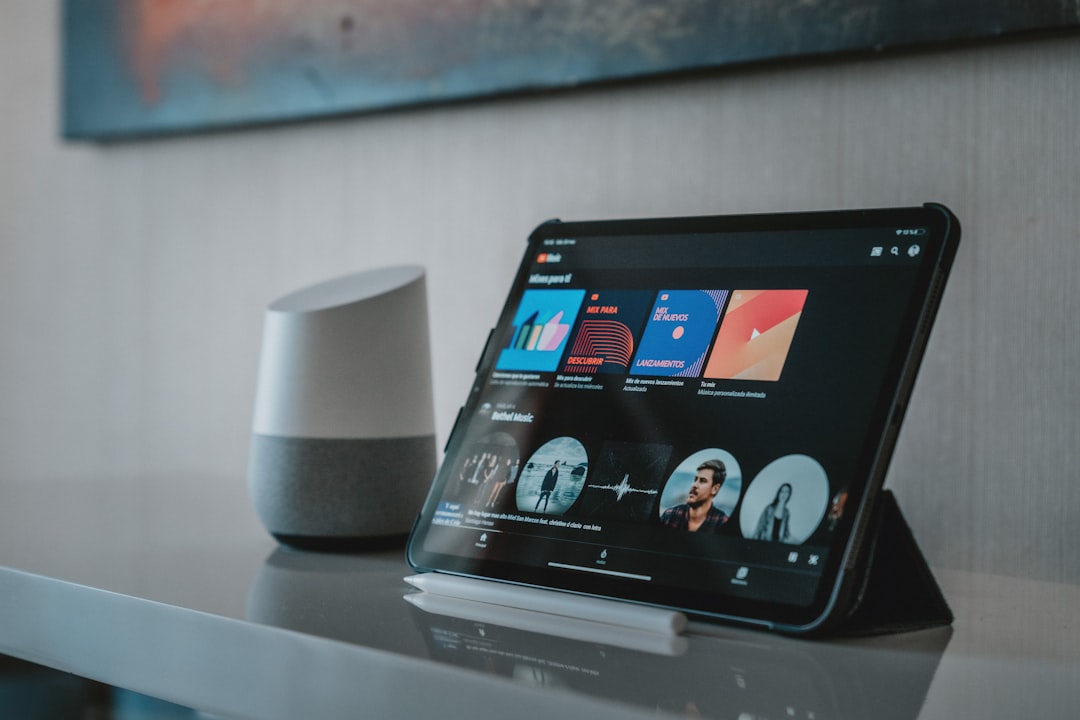
Photo by Alvaro Reyes on Unsplash
8. Signal — Private Messaging That Works
What it does: End-to-end encrypted messaging, calls, and video calls.
Why it’s great: Signal offers the same features as major messaging apps — group chats, voice messages, video calls, reactions — without harvesting your data. It’s funded by a nonprofit foundation, not an ad business. The app is fast, reliable, and dead simple.
Power move: Use Signal’s “Note to Self” feature as a quick capture inbox. Text yourself ideas, links, and reminders throughout the day, then process them in the evening.
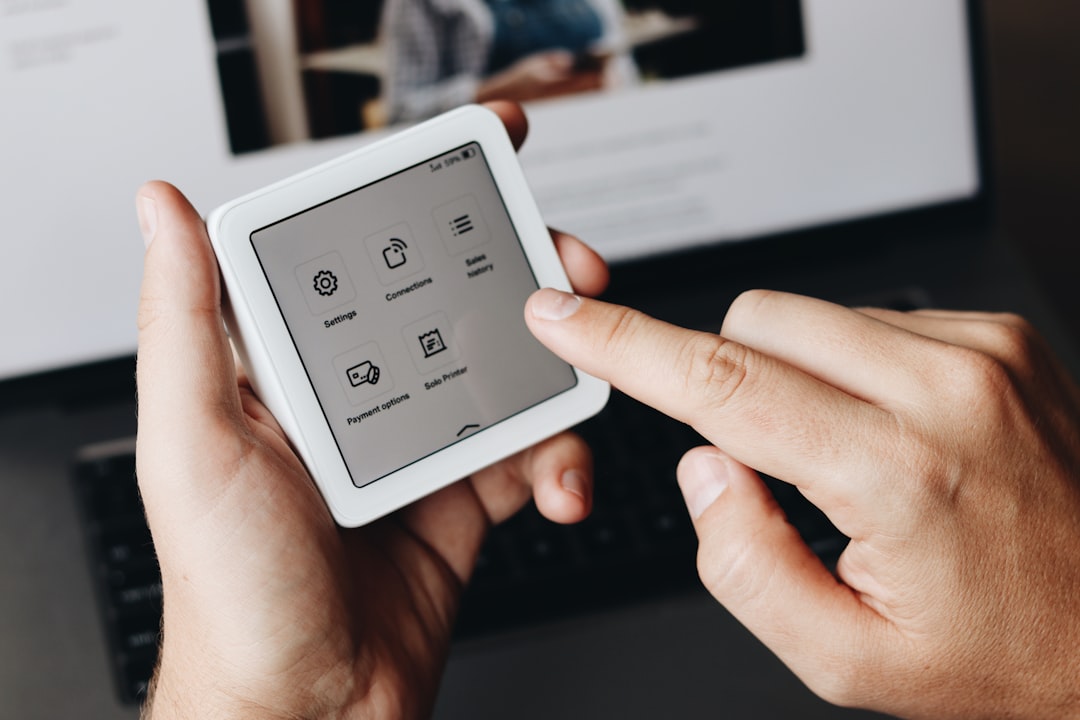
9. Forest — Focus Through Gamification
What it does: Plants a virtual tree that grows while you stay off your phone. Leave the app and the tree dies.
Why it’s great: It sounds silly. It works. The basic version is free on Android (paid on iOS, but the web version is free), and the gentle guilt of killing a virtual tree is surprisingly effective at preventing phone pickups during focused work.
Over time, you grow a forest that visualizes your focus history. Streaks and statistics turn attention into a game you want to win.
Power move: Use Forest during meals and conversations, not just work. The phone-free dinner habit improves relationships more than any app should be able to.
10. IFTTT — Automation for Non-Programmers
What it does: Connects apps and devices with simple “If This, Then That” rules.
Why it’s great: IFTTT’s free tier gives you 2 custom applets that can automate repetitive tasks across hundreds of services. Examples:
- If it’s going to rain tomorrow, send me a reminder tonight
- If I’m tagged in a photo on Instagram, save it to Google Photos
- If I add a task in Todoist labeled “buy,” add it to my shared grocery list
- If a specific RSS feed publishes, send me an email digest
Power move: Start with one automation that eliminates a daily annoyance. The best first applet is usually weather-related or notification-related — something you check manually every day that a robot can check for you.
The Stack That Replaces Everything
You don’t need all 10. Here’s the minimum viable productivity stack:
| Need | App | Time to Set Up |
|---|---|---|
| Task management | Todoist | 10 minutes |
| Notes & knowledge | Obsidian | 20 minutes |
| Passwords | Bitwarden | 30 minutes |
| Calendar | Google Calendar | Already done |
| Focus | Forest | 2 minutes |
That’s five free tools that cover 90% of what paid productivity suites offer. Total cost: $0. Total setup time: about an hour.
What About Paid Upgrades?
Some of these apps offer premium tiers, and a few are worth considering as your needs grow. Todoist Pro adds labels and reminders. Notion’s team plan unlocks collaboration. Canva Pro opens the full stock library.
But here’s the test: use the free version for 30 days first. If you’re hitting the limits constantly, the upgrade pays for itself. If you’re not, you just saved another subscription.
What free app has saved you the most time? Drop your recommendation — the best tools are usually the ones people discover through word of mouth.

Written by Nick Reef
Nick is the Pacific Northwest dad behind OpsHQ Go — software engineer by day, parent of three by night. Everything here is tested first-hand by our family of five (plus three labs and an orange cat): recipes cooked in our kitchen, trails hiked on real weekends, games played at our table.
More about Nick & the family →Found this helpful? Share it!
Get More Shortcuts
Weekly tips, hacks, and adventures delivered to your inbox.