
What to Wear Hiking in the Pacific Northwest (Layer Guide)
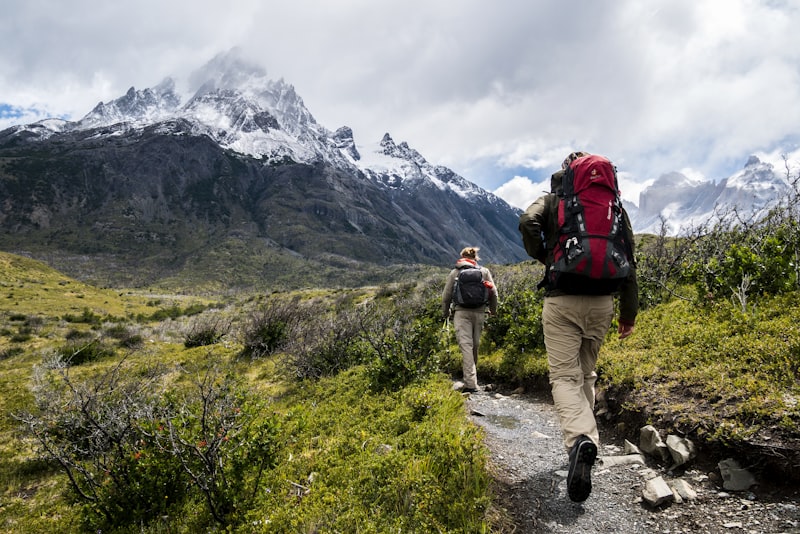
The PNW Layering Challenge
Hiking in the Pacific Northwest means accepting one fundamental truth: the weather will change. You might start a trail in fog, break through to sunshine at the summit, and hike back down through sideways rain. On the same day. In July.
This isn’t a problem if you dress for it. The key is a layering system — removable pieces that you can add or strip depending on what the sky throws at you. I’ve been hiking in Washington and Oregon for years, and this is the system I’ve dialed in for everything from coastal trails to alpine scrambles.
The Three-Layer System Explained
Every PNW hiking outfit follows the same basic framework:
| Layer | Purpose | When to Wear |
|---|---|---|
| Base Layer | Moisture management | Always — it’s your foundation |
| Mid Layer | Insulation | When temps drop or you stop moving |
| Outer Layer | Wind and rain protection | When weather hits |
Let’s break each one down with specific recommendations.
Layer 1: Base Layer
Your base layer sits against your skin and has one job — move sweat away from your body. Cotton is the enemy here. Wet cotton steals body heat and takes forever to dry.
Best Base Layer Material: Merino Wool
A merino wool base layer is the gold standard for PNW hiking. Here’s why:
- Temperature regulation — Merino keeps you warm when it’s cold and cool when it’s warm
- Odor resistance — You can wear it multiple days without it getting funky (great for backpacking)
- Moisture wicking — Pulls sweat away from skin and dries reasonably fast
- Soft against skin — No itch like traditional wool
For summer hikes, a lightweight (150g) merino T-shirt is all you need. For shoulder seasons, bump up to a midweight (200–250g) long-sleeve.
Synthetic alternative: If merino is out of your budget, synthetic polyester base layers wick well and dry faster, but they’ll smell terrible after a few hours.
Layer 2: Mid Layer (Insulation)
The mid layer traps warm air around your body. In the PNW, you need this more often than you’d expect — even summer mornings can be in the 40s at elevation.
Softshell Jacket
A softshell jacket is the most versatile mid layer for PNW conditions. Unlike a fleece, a softshell adds some wind and light rain resistance while still breathing well during exertion.
- Blocks wind on exposed ridges
- Handles light drizzle without needing a full rain shell
- Stretchy enough for scrambling and high-stepping
- Breathes well enough to hike in without overheating
For colder months or high-altitude hikes, you might layer a lightweight fleece or puffy vest underneath the softshell. But for most three-season PNW hiking, a softshell alone covers 80% of mid-layer needs.
Layer 3: Outer Layer (Rain Shell)
This is the non-negotiable layer for PNW hiking. You need a rain shell in your pack every single time, even if the forecast says “sunny.” PNW forecasts lie constantly.
What to Look For
- Waterproof-breathable membrane — Gore-Tex, eVent, or similar. Avoid “water-resistant” jackets that wet out after 20 minutes.
- Pit zips or back venting — Crucial for dumping heat while hiking uphill in rain
- Hood that fits over a cap — Adjustable hoods that cinch down without blocking peripheral vision
- Packs down small — You’ll carry this more than you wear it. Make sure it compresses into a stuff sack or its own pocket.
A quality rain shell is the most important single piece of gear for PNW hiking. Buy the best one you can afford and take care of it.
Lower Body
Hiking Pants
Jeans are a no-go. They’re heavy, restrictive, and dangerous when wet. Instead, wear hiking pants made from nylon or nylon-blend fabric:
- Quick-drying when they get wet (and they will)
- Stretchy for big steps and scrambling
- Articulated knees for comfortable movement
- Some water resistance to bead off light rain and brush dew
Convertible zip-off pants are a personal preference thing. I find the zippers annoying, but some people love the versatility.
Gaiters
Gaiters are underrated in the PNW. They keep mud, rocks, and water out of your boots on sloppy trails. Low gaiters (ankle height) are enough for most day hikes. Full-length gaiters are worth it for bushwhacking or deep snow.
Feet
Your feet are the most important thing to get right. Blisters end hikes.
Hiking Boots vs. Trail Runners
The old-school advice was always “get heavy leather boots.” Modern hikers have largely moved to lighter options:
- Hiking boots — Best for heavy loads, ankle support on rocky terrain, and cold/wet conditions. Go with waterproof for PNW.
- Trail runners — Lighter, faster-drying, more comfortable on long miles. Many experienced PNW hikers prefer these even in rain.
The right choice depends on the trail. Rocky alpine routes with a heavy pack? Boots. Well-maintained lowland trails? Trail runners are probably more comfortable.
Socks
Merino wool hiking socks are non-negotiable. They cushion, wick moisture, resist blisters, and don’t stink. Bring a spare pair in your pack. Changing into dry socks at lunch is one of life’s simple pleasures.
Avoid cotton socks completely. They hold moisture, cause blisters, and provide zero insulation when wet.
Head and Neck
PNW weather swings between rain, wind, and surprise sunshine, so your head needs versatile protection:
- Sun hat — Wide-brimmed for ridge walks and exposed trails. UPF-rated if you burn easily.
- Buff/neck gaiter — The most versatile piece of hiking clothing ever made. Wear it as a neck warmer, headband, beanie, face cover, or sun shield. A merino buff works in all four seasons.
On cold mornings, I start with the buff pulled up over my ears and a rain hood over that. By midday, the buff becomes a sweatband and the hat goes on. It’s a system within a system.
Seasonal Adjustments
Summer (June–September)
- Lightweight merino T-shirt
- Softshell in the pack (may not need it)
- Rain shell in the pack (always)
- Hiking shorts or lightweight pants
- Trail runners
- Sun hat + buff
Shoulder Season (April–May, October–November)
- Midweight merino long-sleeve
- Softshell jacket worn or easily accessible
- Rain shell ready
- Full-length hiking pants
- Waterproof hiking boots
- Gaiters for muddy trails
- Warm hat + buff
Winter (December–March)
- Heavyweight merino base layer
- Fleece or puffy mid layer
- Softshell + rain shell
- Insulated hiking pants or leggings under pants
- Waterproof boots with insulation
- Full gaiters
- Warm hat, gloves, buff
The “Always in the Pack” Checklist
No matter the season, these items live in my hiking pack:
- Rain shell
- Extra merino socks
- Buff
- Lightweight gloves (you’d be surprised how cold ridges get even in summer)
- Sun hat
The Bottom Line
PNW hiking is all about preparation for variability. The layering system works because it’s modular — you build up when conditions demand it and strip down when the sun breaks through. Invest in quality base layers and a reliable rain shell first. Everything else can be upgraded over time.
What’s your go-to PNW hiking setup? Share your must-have piece of clothing for Pacific Northwest trails — I’m always looking for gear recommendations.

Written by Nick Reef
Nick is the Pacific Northwest dad behind OpsHQ Go — software engineer by day, parent of three by night. Everything here is tested first-hand by our family of five (plus three labs and an orange cat): recipes cooked in our kitchen, trails hiked on real weekends, games played at our table.
More about Nick & the family →Found this helpful? Share it!
Get More Shortcuts
Weekly tips, hacks, and adventures delivered to your inbox.
You Might Also Like
Twin Falls: A Hidden Gem with Immediate River Views and a Trail That Just Keeps Giving!
8 min read
⛺ Hiking & CampingComplete Day Hike Packing List (Printable Checklist)
6 min read
⛺ Hiking & CampingSolstice Sunrise Hikes: Early Trails for Families Who Love First Light
8 min read