
How to Plan the Perfect Weekend Camping Trip in the Pacific Northwest
Plan a PNW camping weekend that still feels fun when rain, kids, and gear show up.
▶ Watch the 30s recap — or browse all reels
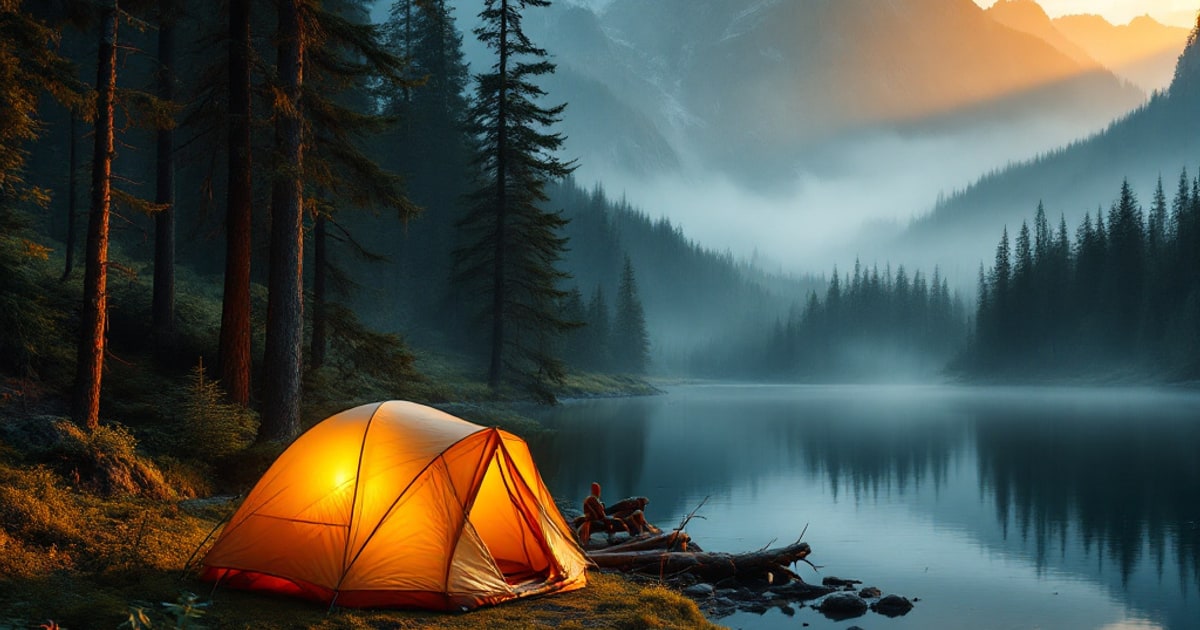
A perfect Pacific Northwest camping weekend is not about the most remote pin on the map. It is about getting everybody fed, dry, and settled before dark so the mountains can do the impressive part.
The trip that taught me this was a two-night stay near Ohanapecosh where I arrived late, cooked under a sagging tarp, and realized good scenery does not erase sloppy planning. Ever since, I have treated weekend camping like dad logistics with a lake view.
Start with a two-night plan, not a heroic expedition
My favorite family camping format is Friday to Sunday. Two nights feels like a real reset without turning the garage into an expedition staging area.
Before I book anything, I decide what the weekend is for. If the win is one easy hike, one campfire, and enough lake or beach time to make the kids sleepy, that is plenty. The fastest way to ruin a good weekend is to cram in a ferry, a long drive, a major hike, and a sunset dinner plan like nobody has ever lost a sock.
I build every trip around one anchor activity and one rule. The activity might be tide pools near Olympic, a river walk near Rainier, or a paddle on Diablo Lake. The rule is simple: arrive before dinner. If you want the camping trip wrapped inside a longer loop, our epic road trip guide is the version I use before I start overscheduling.
Pick the right PNW basecamp for your weekend
The Pacific Northwest is overloaded with good options, so I match the campsite to the mood instead of the prettiest photo.
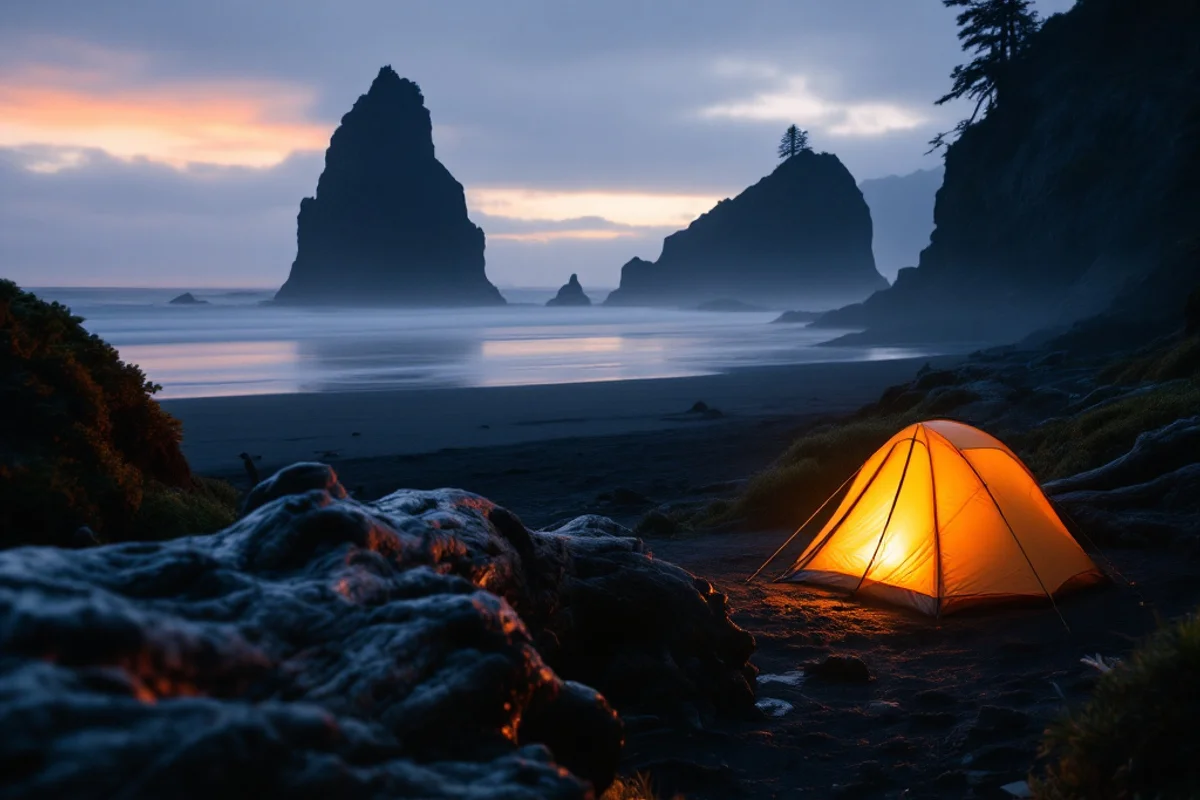
If you want surf, driftwood, and weather that feels dramatic in a fun way, aim for the Olympic National Park area. Kalaloch is easy coastal magic, and the Sol Duc side gives you more forest and hot-spring energy. If your family wants lakes and mountains, North Cascades favorites like Colonial Creek or Newhalem give you huge scenery with low drama.
For the postcard version of camping, the Mount Rainier area is my safest pick. Ohanapecosh is sheltered and forgiving, while Cougar Rock keeps the classic mountain feel close. If you want the weekend to feel extra special, the San Juans still win on atmosphere; just remember that Moran State Park and San Juan County Park both come with ferry math, so I reserve early. The best site is the one that spends the least family energy for the most payoff.
Pack for damp mornings and fast setup
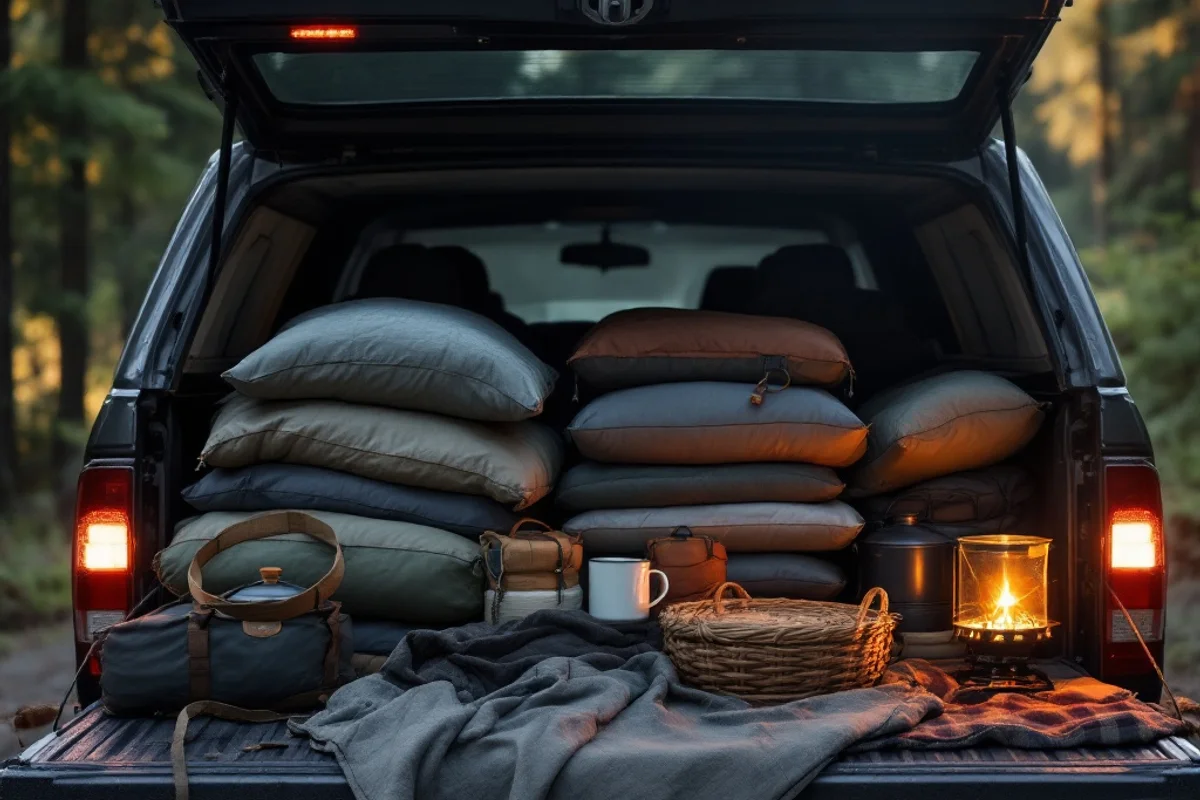
Camping gear gets expensive fast, so I buy comfort and speed before cool points. For a two-night trip, the core setup that matters most at our house is a quick-pitch instant cabin tent, warm synthetic sleeping bags, and insulated sleeping pads. If those three work, I can forgive a lot.
I also never regret decent LED headlamps, because kids lose flashlights with professional dedication. A small kitchen bin keeps the stove kit, lighter, coffee gear, and cleanup stuff together, and a gravity water filter saves me from turning water runs into a family project.
The best packing habit I stole from hiking is laying everything out by job: sleep, shelter, kitchen, clothing, and day-use. If you want a cheaper starting point, best budget camping gear covers the items worth buying first, and our day hike packing list is the same mindset I use for side trips once camp is set.
Keep camp food simple enough to enjoy the view
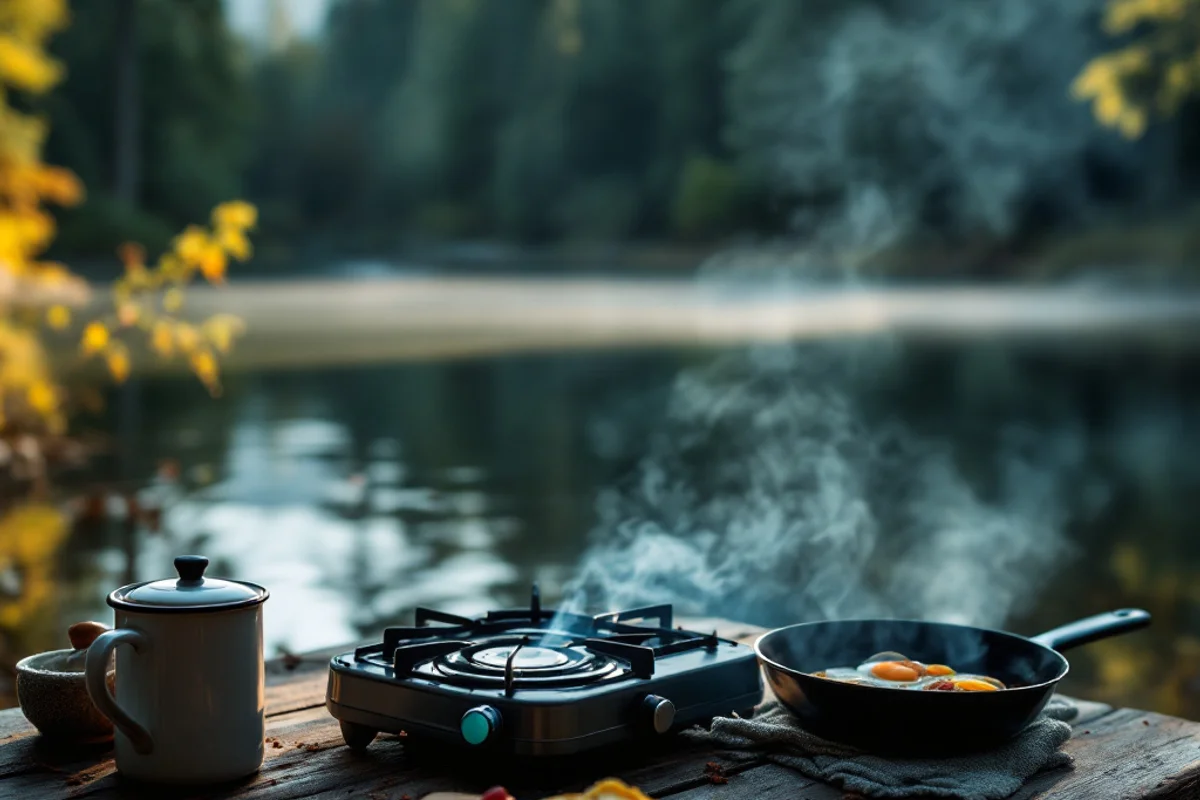
The meal plan that wins on a weekend camping trip is not the most ambitious one. It is the one that lets you eat well without turning the picnic table into a reality-show challenge. I save the fancy stuff for home and build the whole menu around one two-burner camp stove, one skillet, one pot, and a cooler packed like I enjoy my own future.
For us, the formula is simple: easy breakfast, hike lunch, forgiving dinner. Breakfast is usually oatmeal, fruit, and camp coffee the first morning, then eggs or pancakes the second if morale is high. Lunch is wraps, fruit, and snack bars tossed into a daypack. Dinner is chili, pasta, tacos, or anything that can be pulled off as one of our favorite one-pan camping meals without standing over the stove like I am auditioning for a woodland cooking show.
I also pre-portion more than my younger self would ever admit. Pancake mix in one bottle. Chopped onions in a container. Marinade already done. Marshmallow sticks and graham crackers in the same tub. The fewer decisions I am making at camp, the more I can look up and notice that I am cooking dinner beside a glacier-fed river or under a line of fir trees with actual quiet around me.
Prep the kids before you leave the driveway
Kid camping behavior gets decided before the campsite. If I spend five minutes in the driveway explaining how the weekend works—where snacks live, which jobs matter, and what bedtime looks like—everything gets easier.
The biggest win is giving everybody a lane. One kid handles headlamps. One carries water bottles. One helps lay out sleeping bags. I also let each kid bring one comfort item so camp feels less like a forced wilderness lesson and more like home with better air.
We explore after setup, not before, and we pack one deck of cards, one scavenger hunt list, and one bag of camp-only treats. If the road trip includes dogs too, our family road-trip tips for kids and dogs use the same principle: predict the friction early. At bedtime, dry clothes reserved just for sleeping do more for morale than any speech I can give.
Assume the weather has a sense of humor
In the Pacific Northwest, the weather eventually teaches you humility. A sunny forecast can turn damp by dinner, and the temperature drop after sunset can make a nice afternoon feel like you accidentally booked November.
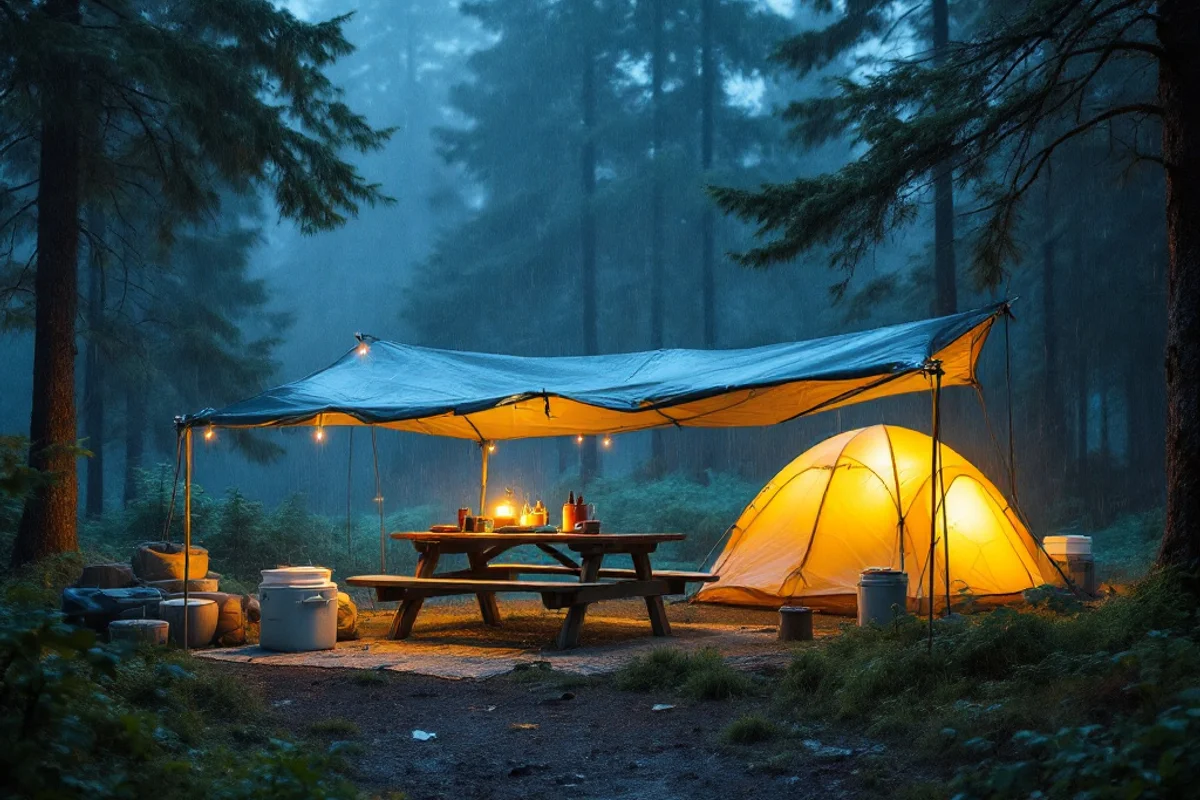
That is why I treat shelter redundancy as a love language. A real 10x10 waterproof tarp buys you dry cooking space, a calmer hangout zone, and a place to quarantine wet jackets. I also keep an extra bin in the car with socks, fleece, and one more set of kid layers than optimism says I need.
I check mountain and coastal forecasts separately and use the same caution I bring to our spring hiking in the Pacific Northwest weekends. A little weather paranoia is how you end up under a tarp with hot coffee instead of pretending the rain is surprising.
Leave no trace so you’ll want to come back
The final move in a great camping weekend is making sure you did not quietly ruin the place that gave you a good time.
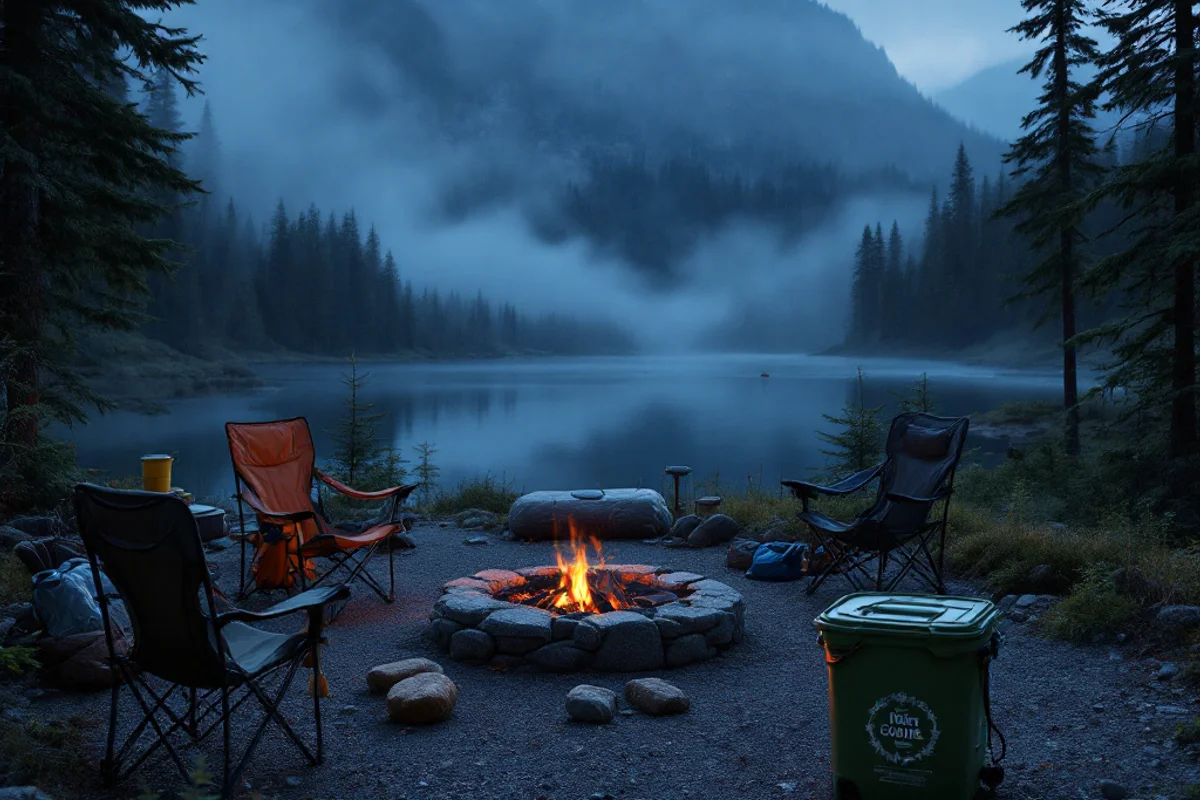
Our version is practical: pack out every scrap of trash, wipe the picnic table, sweep the tent footprint, and keep food sealed so raccoons, ravens, and every other campground opportunist do not learn bad habits from your snacks. If the site has a fire ring, use it correctly or skip the fire.
I want the kids to see that outdoor fun comes with outdoor responsibility. We stay on established paths, keep the volume down, and treat the campsite like it belongs to the next family too. When we leave a place cleaner than we found it, the trip feels finished in the right way.
Frequently Asked Questions
What’s the best first weekend camping spot in the Pacific Northwest for a family?
For a first family weekend, I like campgrounds with easy access, clean bathrooms, and one obvious payoff nearby. Ohanapecosh in the Mount Rainier area, Kalaloch on the Olympic coast, and Colonial Creek in North Cascades all work because they feel spectacular without demanding expedition-level logistics. Pick the one that gives you the shortest drive and the least setup stress, not the one that looks toughest on Instagram.
Do I need a ferry reservation for a San Juan Islands camping weekend?
If you are bringing a car to the San Juans in peak season, yes, assume you want the reservation. The ferry can still work without one, but the whole weekend gets shakier when your departure time depends on standby luck. If you are camping at Moran State Park or heading toward San Juan County Park, reserve the campsite and then lock the ferry plan right after.
What if the forecast says rain all weekend?
In the Pacific Northwest, light rain is usually a gear problem, not a trip-ending problem. Bring a real tarp, dry layers for sleeping, and one covered activity plan like a short beach walk, visitor center stop, or scenic drive. If the forecast turns into steady wind, cold, and sideways rain for both days, I would pivot early instead of pretending misery is character-building.
How much camping gear is actually worth buying for a two-night trip?
You do not need a garage full of fancy gear to enjoy a weekend out. Start with the comfort items that change the whole experience: a tent you can pitch fast, warm sleeping bags, decent pads, reliable headlamps, and a stove that lights without drama. After that, upgrade only the things that made your last trip annoying.
What to Read Next
This post was AI-assisted and reviewed by Dad.
Written by Nick Reef
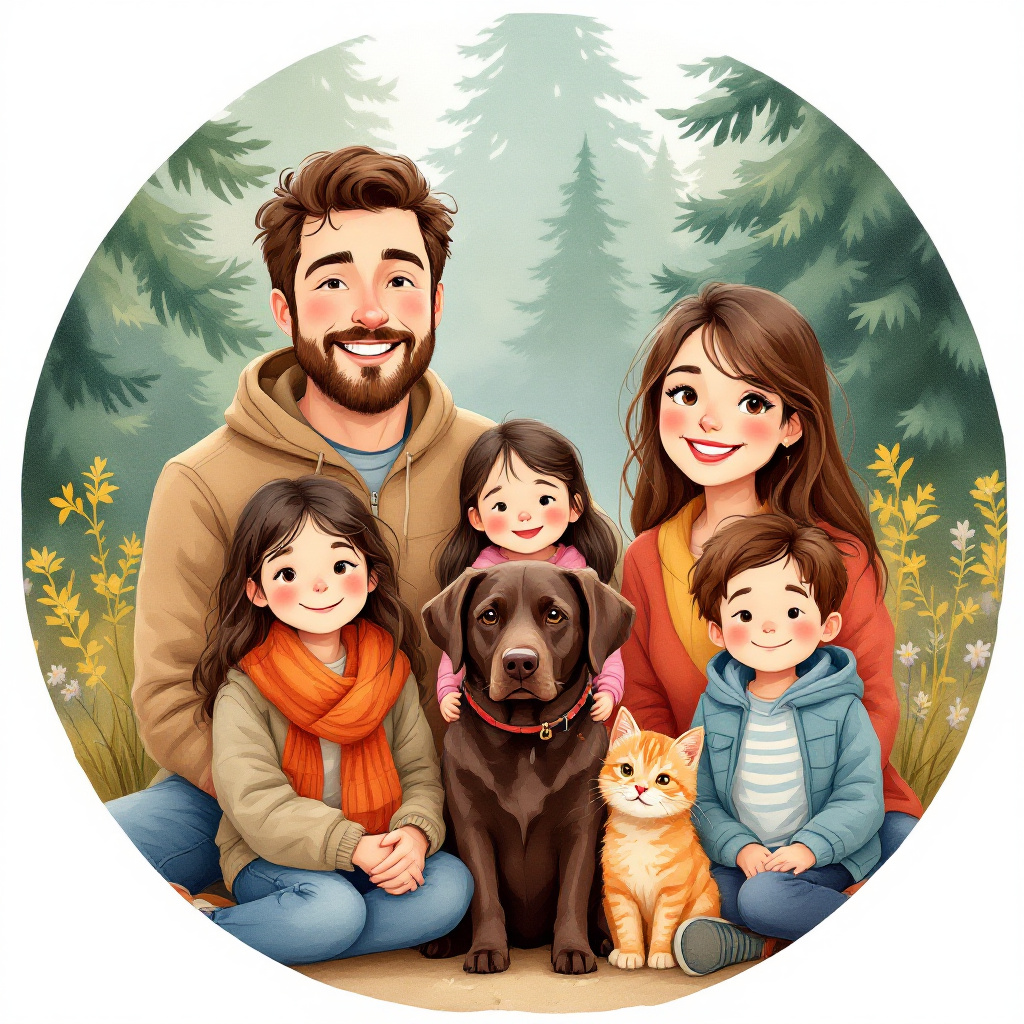
Nick is the Pacific Northwest dad behind OpsHQ Go — software engineer by day, parent of three by night. Everything here is tested first-hand by our family of five (plus three labs and an orange cat): recipes cooked in our kitchen, trails hiked on real weekends, games played at our table.
More about Nick & the family →Found this helpful? Share it!
Get More Shortcuts
Weekly tips, hacks, and adventures delivered to your inbox.
You Might Also Like
25 Indoor Activities for Rainy Days (For Kids and Adults)
8 min read
👨👩👦 Family ExperiencesThe Backyard Shade Shuffle: How We Turned Our Overheated Patio into a Family Oasis
8 min read
👨👩👦 Family ExperiencesWet Dog Chronicles: Managing Post-Hike Chaos Without Ruining Fall Vibes
8 min read