
The Tire Swing Upgrade: How We Transformed a Summer Staple into a Backyard Time-Saver
Turn a classic tire swing into a durable, low-maintenance backyard feature with our practical guide and tips.
▶ Watch the 30s recap — or browse all reels
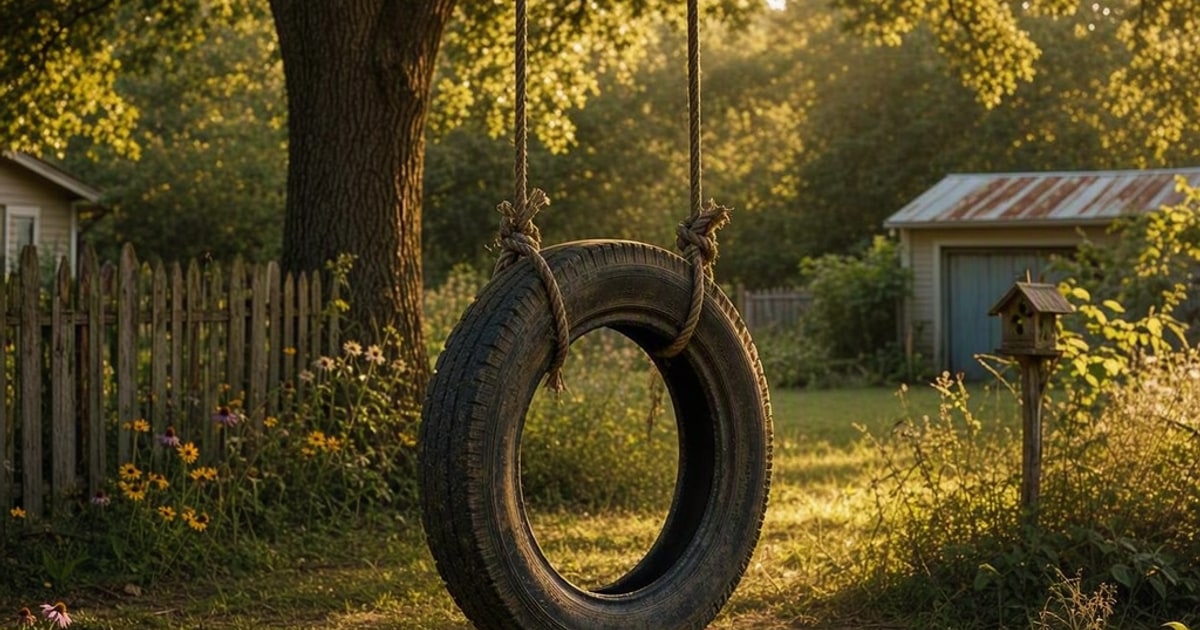
When the kids begged for a tire swing, I thought it was a one-afternoon project. A few missteps later, I realized a little extra planning could turn this classic summer setup into a backyard system that’s both fun and low-maintenance. Here’s how we turned a simple idea into a long-lasting backyard upgrade that keeps our kids entertained and our to-do list manageable.
The Initial Setup: Where We Went Wrong
Our first attempt was the classic DIY route: a used tire, some rope, and a sturdy tree branch. It seemed foolproof—until it wasn’t. The rope frayed within a few weeks, the tire collected rainwater (hello, mosquito breeding ground), and the branch started looking suspiciously stressed. By mid-summer, the swing was more of a hazard than a haven.
Lessons Learned
- Material Matters: Standard rope isn’t enough. You need something weather-resistant and durable.
- Water Drainage: A traditional tire will hold water unless you modify it.
- Tree Health: Not every branch is cut out for the job. You need to distribute weight properly to avoid damaging your tree.

The Upgrade: A Smarter Tire Swing
Determined to get this right, I did some research and made a plan. Here’s what we changed:
Choosing the Right Rope
The first upgrade was switching to a heavy-duty, weather-resistant rope. We went with a marine-grade double-braided polyester rope that’s designed to withstand the elements. It’s strong, UV-resistant, and doesn’t fray easily.
Modifying the Tire
To prevent water from pooling, I drilled several holes in the bottom of the tire. This simple step made a massive difference in keeping the swing dry and mosquito-free. I also gave the tire a good scrub and spray-painted it with a durable outdoor spray paint to protect it from the elements and give it a fun pop of color.
Protecting the Tree
Instead of tying the rope directly to the branch, I used a tree swing hanging kit. These kits come with straps that distribute the weight evenly and are gentle on the tree bark. It’s a small investment that ensures the health of your tree and the safety of your swing.
Adding a Rotating Swivel
To prevent the rope from twisting and wearing out, I added a heavy-duty swivel. This also made the swing more fun for the kids, as it allowed them to spin around without tangling the rope.
Testing and Adjustments
Before letting the kids jump on, I tested the swing myself. At 6’2” and a solid 200 pounds, I figured if it could hold me, it could hold them. (Spoiler: it worked, but I’ll admit I was nervous!)

The Daily Use: Maintenance and Fun
Now that the swing is up and running, it’s been a game-changer for our backyard. The kids spend hours on it, giving me precious time to tackle other projects—or just enjoy a cup of coffee in peace. Maintenance has been minimal: a quick check of the ropes and straps every couple of weeks, and a wipe-down of the tire after heavy rain.
Tips for Building Your Own Tire Swing
If you’re considering a tire swing for your backyard, here are my top tips:
- Choose the Right Tree: Look for a healthy, sturdy tree with a thick branch that’s at least 8 inches in diameter.
- Use Quality Materials: Don’t skimp on the rope or hardware. Your swing is only as strong as its weakest component.
- Think About Safety: Make sure the swing is at least 3 feet off the ground and away from obstacles like fences or other trees.
- Plan for Maintenance: Check the swing regularly for wear and tear, and address any issues promptly.

Frequently Asked Questions
How do I choose the best tree for a tire swing?
Look for a healthy, mature tree with a sturdy branch that’s at least 8 inches in diameter. Avoid trees with visible damage or signs of disease. Maple, oak, and beech trees are usually good options, as they have strong, durable branches.
What’s the best way to prevent water from collecting in the tire?
Drill several holes in the bottom of the tire to allow water to drain out. This step is crucial for preventing mosquito breeding and keeping the swing clean and dry.
Are tire swings safe for younger kids?
Yes, but with precautions. Make sure the swing is hung at an appropriate height and check that the materials are secure and in good condition. Supervise younger children while they use the swing to ensure safety.
What tools do I need to install a tire swing?
You’ll need a drill (for the drainage holes), a ladder, a wrench for securing hardware, and potentially a stud finder if you’re attaching the swing to a beam or structure. A cordless drill set is a great investment for this and other DIY projects.
How can I make the swing more fun for kids?
Consider adding a rotating swivel to the setup. It allows the swing to spin, which kids love. You can also paint the tire in bright, fun colors or let the kids decorate it themselves for a personal touch.
What to Read Next

Written by Nick Reef
Nick is the Pacific Northwest dad behind OpsHQ Go — software engineer by day, parent of three by night. Everything here is tested first-hand by our family of five (plus three labs and an orange cat): recipes cooked in our kitchen, trails hiked on real weekends, games played at our table.
More about Nick & the family →Found this helpful? Share it!
Get More Shortcuts
Weekly tips, hacks, and adventures delivered to your inbox.
You Might Also Like
Bikes, Buckles, and Bruises: The Day I Built a Better Bike Rack for Family Rides
8 min read
🔧 Dad HacksFall Gear Tune-Up: How to Refresh Your Family’s Outdoor Setup Before the Winter Monsoon
8 min read
🔧 Dad HacksThe Great Patio Power Wash Experiment: Turning Grime Into Family Bonding
8 min read