
The Speedy Leaf-Blower Switcheroo: Fast Yard Cleanup Without Feeling Like a Workout
Learn how to master your leaf blower for efficient yard cleanup this fall in the Pacific Northwest. Smart tips for saving time and energy!
▶ Watch the 30s recap — or browse all reels
The Speedy Leaf-Blower Switcheroo: Fast Yard Cleanup Without Feeling Like a Workout
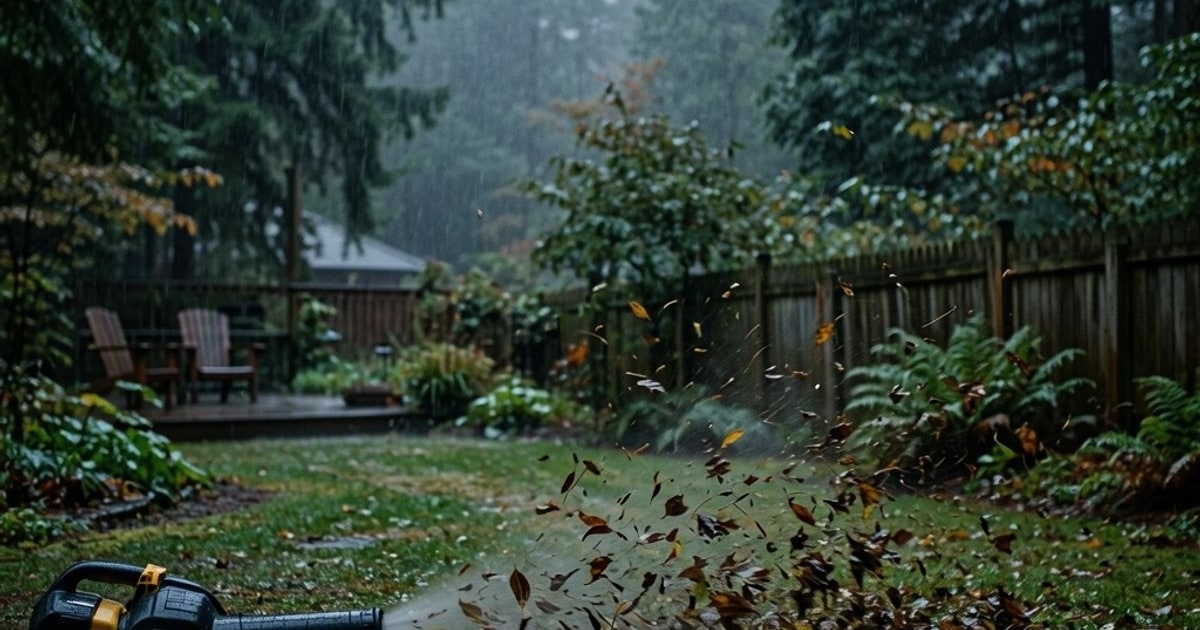
Fall in the Pacific Northwest is stunning. The vibrant reds, oranges, and yellows of the leaves create a picturesque scene that feels like walking through a cozy painting. But with this beauty comes the inevitable leaf pile-up in your yard. If you’re anything like me, balancing family life, work, and the endless rain, you don’t have hours to spend raking leaves. That’s where the trusty leaf blower comes in! With the right techniques and tools, you can tackle this autumn chore in record time and save yourself a lot of hassle.
Why Choose a Leaf Blower Over a Rake?
Let’s face it—raking is a workout. While it might be great cardio, it’s not always the most efficient or enjoyable way to clean up your yard, especially when you’re racing against the next rainstorm. A leaf blower, on the other hand, lets you clear leaves in a fraction of the time, and it’s surprisingly satisfying to watch the leaves scatter away like magic.
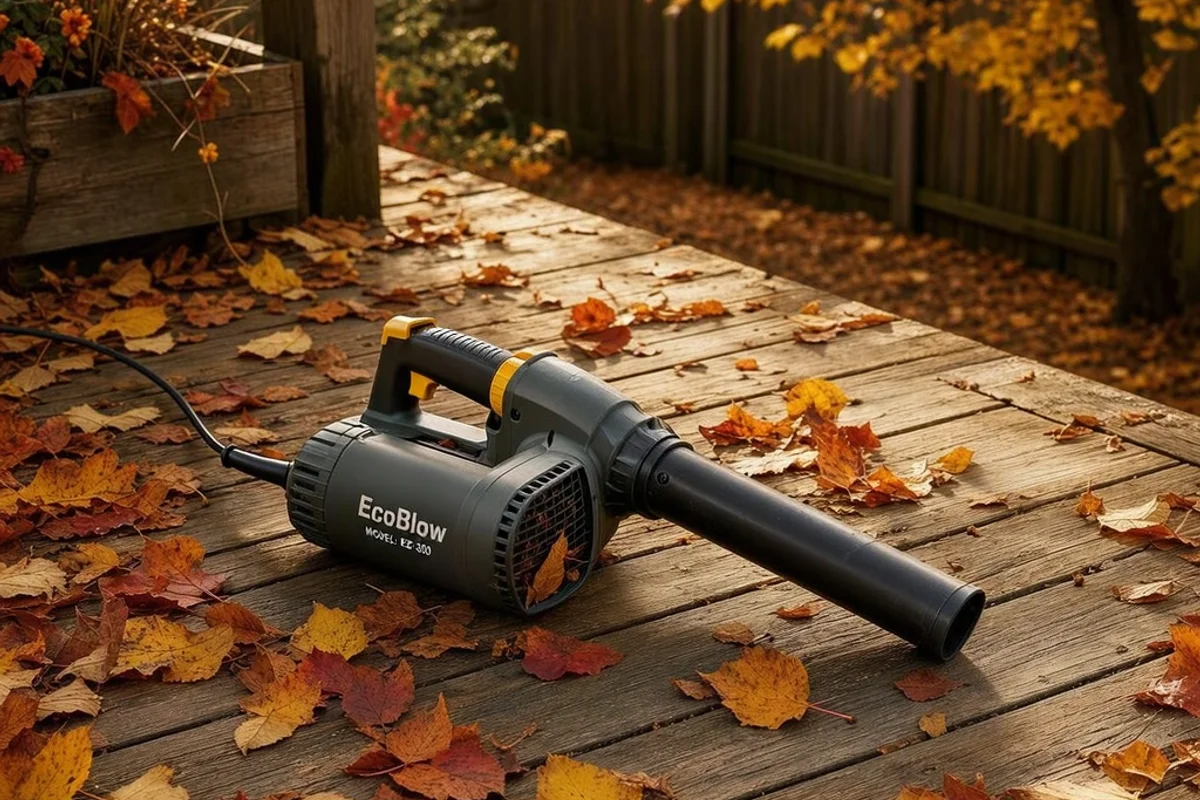
Modern leaf blowers are lightweight, powerful, and come with features that make them easier to use than ever. Whether you’re dealing with a small yard or a sprawling property, there’s a leaf blower out there that fits your needs perfectly.
Choosing the Right Leaf Blower
Before diving into the techniques, let’s talk about picking the right tool for the job. Not all leaf blowers are created equal, and finding the right one can make a world of difference.
Gas vs. Electric vs. Battery-Powered
-
Gas-Powered Blowers: These are great for large yards or heavy-duty tasks. They’re powerful and can handle wet or compacted leaves with ease. However, they’re heavier, noisier, and require more maintenance.
-
Electric Blowers: These are lighter and quieter than gas-powered models, making them ideal for small to medium yards. Just keep in mind that you’ll need access to an outlet and might have to deal with a cord.
-
Battery-Powered Blowers: These offer the best of both worlds—cordless convenience with less noise and maintenance compared to gas blowers. The downside? Limited battery life. Look for models with long-lasting batteries, like the Greenworks Pro 80V Cordless Leaf Blower, which is a favorite in our household.
Consider the Power
Power is measured in cubic feet per minute (CFM) and miles per hour (MPH). CFM measures the volume of air the blower can move, while MPH measures the speed of the airflow. For most residential yards, a blower with 200-400 CFM and 100-150 MPH should suffice. For larger properties or tougher jobs, consider a blower with higher ratings.
Backpack Blowers vs. Handheld Blowers
-
Handheld Blowers: These are lightweight and easy to maneuver, making them perfect for small yards and quick cleanups.
-
Backpack Blowers: These are more powerful and can handle larger areas with ease. They’re great for big yards or if you have a lot of trees. The Husqvarna 150BT Gas Backpack Blower is a solid choice for heavy-duty use.
Mastering the Art of Leaf Blowing
Once you’ve got the right tool, it’s time to put it to good use. Here are some tips to make your yard cleanup as efficient as possible:
1. Plan Your Attack
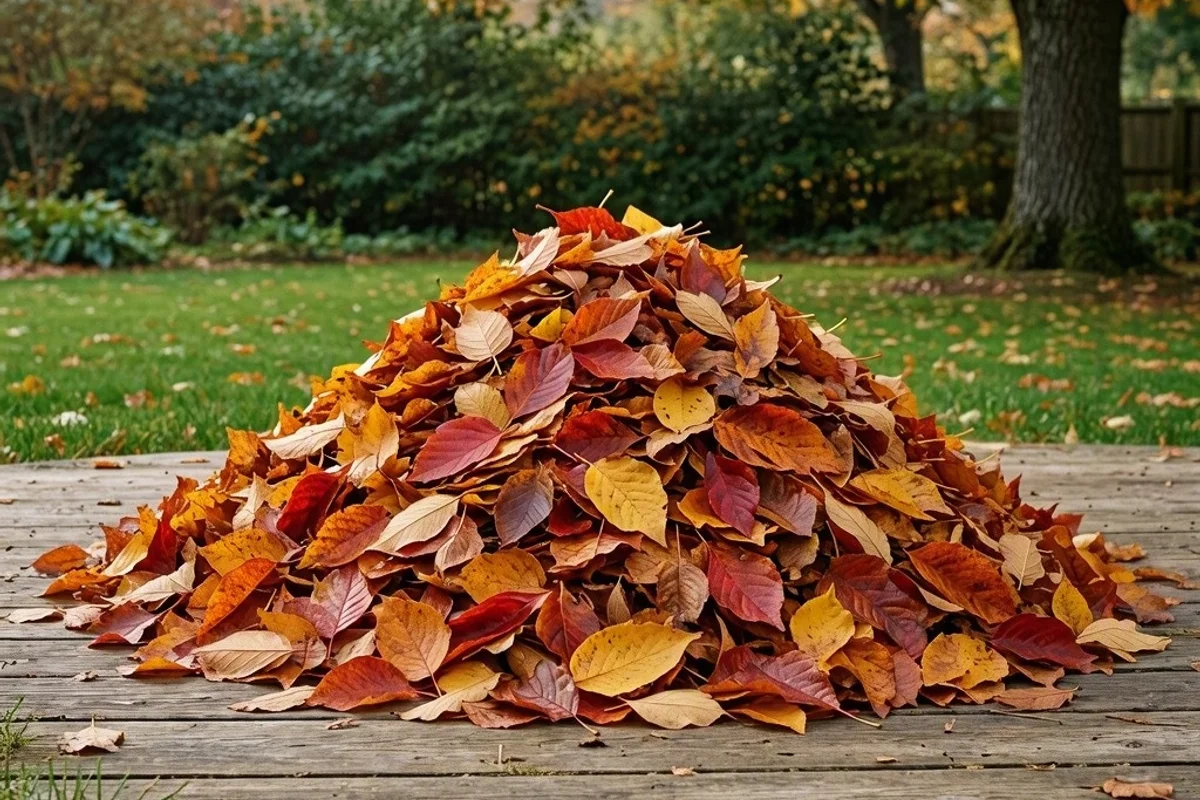
Before you start, take a moment to survey your yard. Plan the direction you want to blow the leaves and identify a central collection point. This will save you from having to redo areas or chase leaves all over the place. Work with the wind, not against it, to make your job easier.
2. Use the Right Technique
Hold the blower at a slight angle and use a sweeping motion to move the leaves. Start at one end of the yard and work your way to the other, pushing the leaves toward your designated collection point. For wet or heavy leaves, use short bursts of air to loosen them before moving them.
3. Divide and Conquer
If you have a large yard, break it into sections and tackle one area at a time. This will make the task feel more manageable and help you stay organized. A good tip is to use natural boundaries like flower beds or walkways to define your sections.
4. Use a Tarp for Easy Cleanup
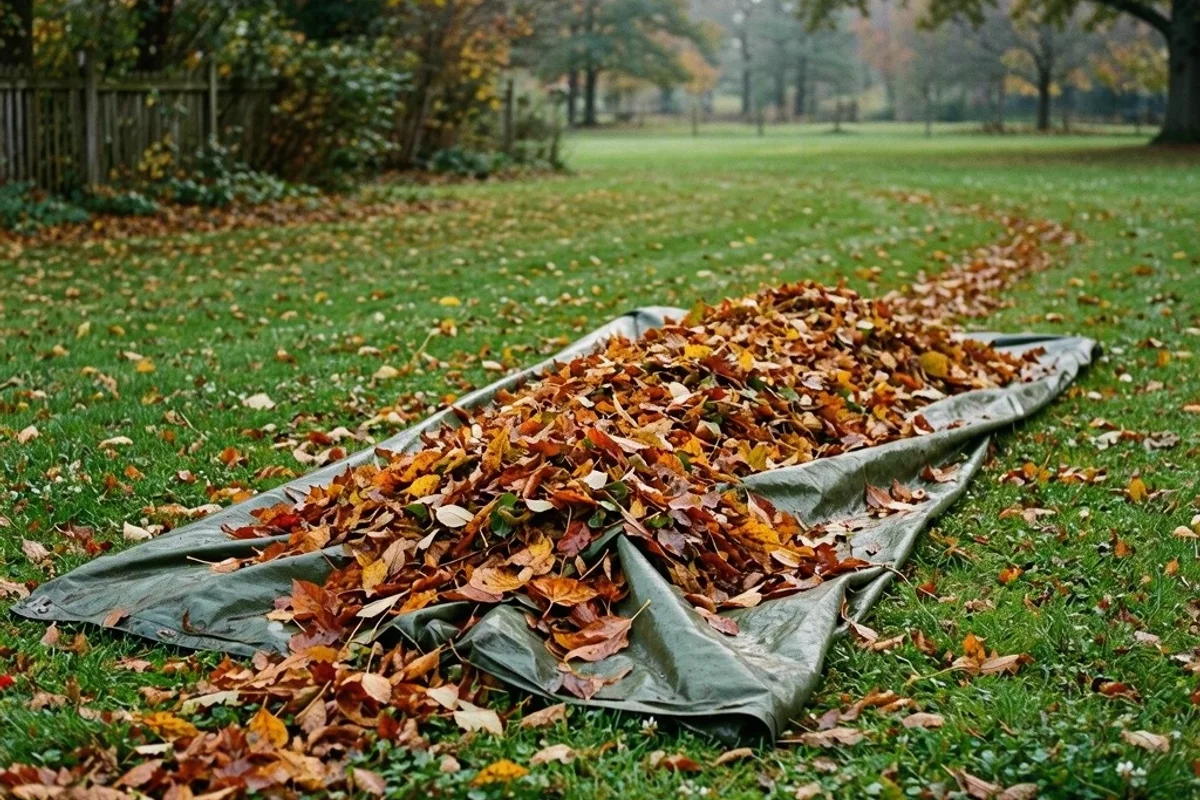
Once you’ve gathered the leaves into piles, use a tarp to move them to your compost bin or curb. Lay the tarp next to the pile, rake the leaves onto it, and then drag it to its destination. This method is much faster and less messy than bagging leaves directly.
5. Accessorize Your Blower
Some leaf blowers come with attachments that can make your job easier. For example, a narrow nozzle can help with precision work, while a vacuum attachment can be used to suck up leaves in tight spaces. Check out the BLACK+DECKER 3-in-1 Electric Leaf Blower, Vacuum, and Mulcher for a versatile option.
Pro Tips for Pacific Northwest Yards
Living in the Pacific Northwest comes with its own set of challenges. Here are some region-specific tips to keep in mind:
-
Wet Leaves: Wet leaves can be heavy and harder to move. Use a blower with high CFM to handle these effectively. Work in sections and don’t try to move too many leaves at once.
-
Frequent Rain: Be prepared to work quickly between rain showers. Keep an eye on the weather forecast and plan your cleanup accordingly. A lightweight, cordless blower like the DEWALT 20V MAX XR Blower is perfect for quick jobs.
-
Slippery Surfaces: Be cautious when blowing leaves off wet surfaces like decks or driveways. Wear shoes with good traction to avoid slipping.
Frequently Asked Questions
How do I choose the right leaf blower for my yard size?
For small yards, a handheld electric or battery-powered blower is usually sufficient. For medium to large yards, consider a more powerful gas or backpack blower. Look for a model with a good balance of CFM and MPH to handle your specific needs.
Can I use a leaf blower for tasks other than clearing leaves?
Absolutely! Leaf blowers are versatile tools. You can use them to clean out gutters, clear snow off your driveway, dry your car after washing, or even blow dust and debris out of your garage.
How do I maintain my leaf blower?
For gas-powered blowers, regularly check and replace the spark plug, air filter, and fuel filter. Clean the blower’s exterior and ensure the air intake is clear of debris. For electric and battery-powered models, check the battery life and clean the air vents.
What to Read Next

Written by Nick Reef
Nick is the Pacific Northwest dad behind OpsHQ Go — software engineer by day, parent of three by night. Everything here is tested first-hand by our family of five (plus three labs and an orange cat): recipes cooked in our kitchen, trails hiked on real weekends, games played at our table.
More about Nick & the family →Found this helpful? Share it!
Get More Shortcuts
Weekly tips, hacks, and adventures delivered to your inbox.
You Might Also Like
The Forgotten Charger Hunt: Solving the Mystery of Missing Phone Cables Without Losing Your Mind
8 min read
⚡ Time SaversDish Rack vs. Drying Mat: The Best Way to Streamline Post-Dinner Chaos
8 min read
⚡ Time SaversThe 5-Minute Thermos Trick: Winning Mornings with Warm, Ready-to-Go Drinks
8 min read