
The Rainy Day Escape Room: How to Build an At-Home Puzzle Adventure Your Kids Won’t Forget
Turn rainy days into family adventures with a DIY escape room. Step-by-step guide for puzzles, themes, and fun challenges.
▶ Watch the 30s recap — or browse all reels
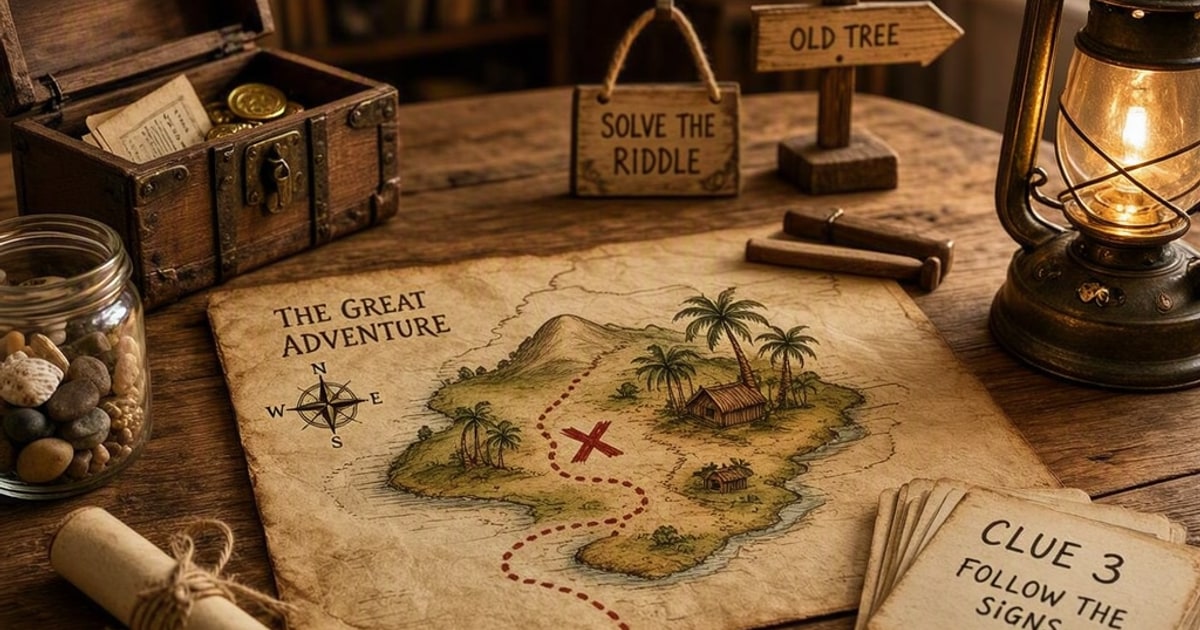
When the weather keeps you inside, creating a DIY escape room can turn cabin fever into family fun. This guide will walk you through designing a puzzle-packed adventure with household items, no expensive kits required. Get ready to surprise your kids and maybe even stump them.
Why Build an At-Home Escape Room?
Rainy days in the Pacific Northwest can stretch endlessly, and keeping kids entertained without resorting to screens can feel like a tall order. That’s where escape rooms come in—a perfect blend of creativity, problem-solving, and teamwork. Plus, they’re adaptable to any age group, so everyone in the family can join in.
An at-home escape room doesn’t require high-tech gadgets or costly kits. With a little planning and a dash of imagination, you can craft a memorable experience using items you already own. Bonus points if you integrate themes or subjects your kids are currently obsessed with—pirates, spies, or even outer space.
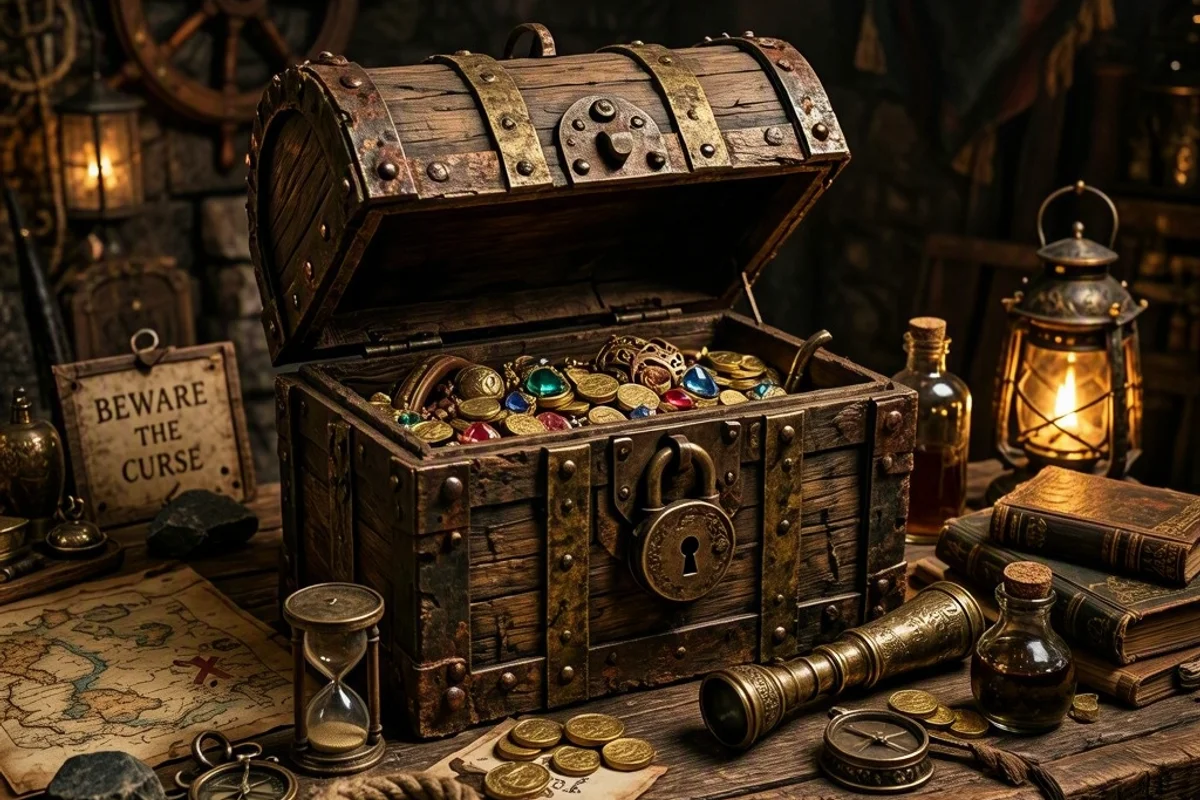
Step-by-Step Guide to Building Your Escape Room
Step 1: Choose a Theme
Pick a theme that excites your kids. Here are a few ideas:
- Pirate Treasure Hunt: Map clues to hidden treasures.
- Mad Scientist’s Lab: Mix science experiments with puzzles.
- Mystery Mansion: Solve clues to escape a spooky house.
- Space Adventure: Decode alien messages to fix your spaceship.
Once you’ve picked a theme, brainstorm how each puzzle will fit into the story. For instance, in a pirate theme, a simple lockbox could be the treasure chest.
Step 2: Design Your Puzzles
Puzzles are the heart of any escape room. Here are some ideas to get you started:
-
Lock and Key Challenges: Hide keys around the room and provide clues to find them. Master Lock Combination Padlock is a great option for this.
-
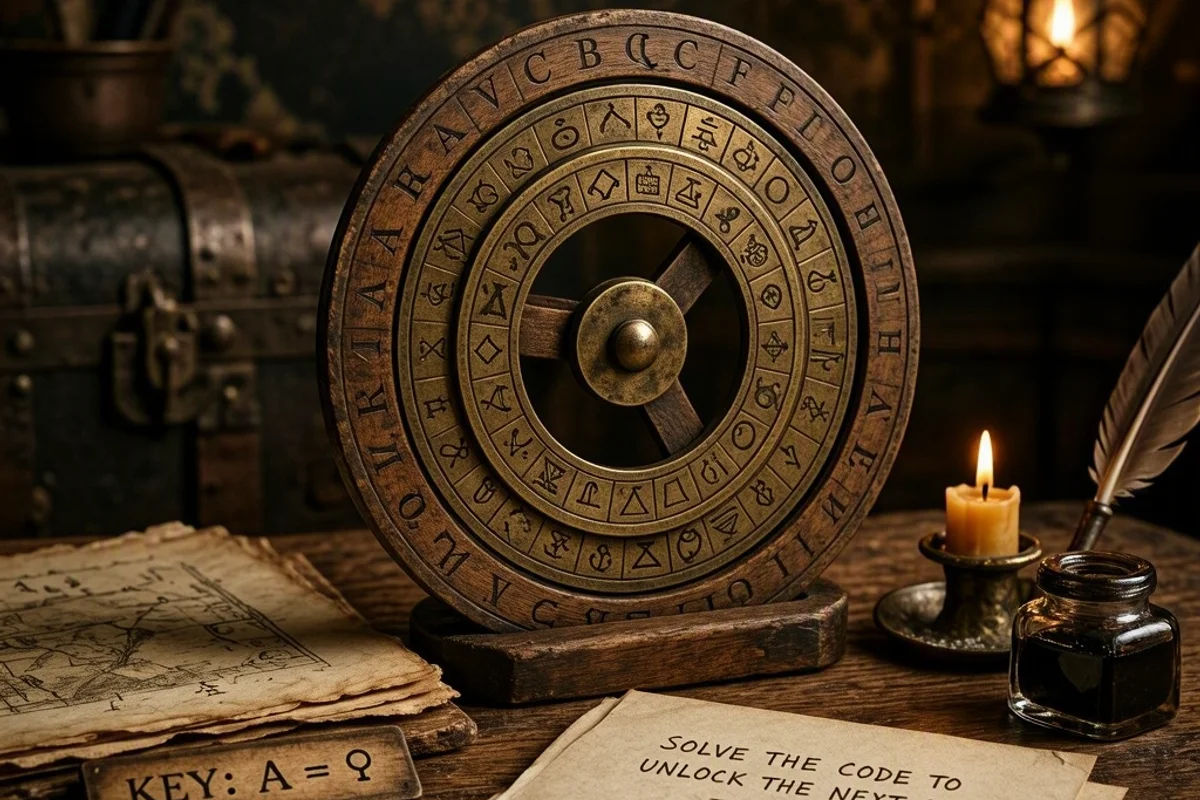
Riddles and Codes: Write riddles or create a cipher for kids to decode. You can use Invisible Ink Pens for an extra layer of mystery.
-
Physical Challenges: Incorporate tasks like balancing or stacking objects to unlock the next clue.
-
Hidden Messages: Use UV light or simple word puzzles to reveal hidden instructions.
-
Math or Logic Problems: Tailor these to your kids’ skill levels for a fun educational twist.
Step 3: Set Up the Room
Transform your space into the theme you’ve chosen. For example:
- Pirate Escape: Scatter seashells, a toy compass, and a treasure map.
- Mad Scientist: Use beakers, test tubes, and a Science Experiment Kit to set the scene.
- Mystery Mansion: Dim the lights and add some eerie sound effects.
Keep the setup simple but immersive. Too much clutter can overwhelm younger kids or distract from the puzzles.
Step 4: Create a Narrative
Tie the puzzles together with a story. For instance:
- Pirate Treasure Hunt: “Captain Rusty’s treasure has been stolen! Solve the clues to find it before the tide comes in.”
- Mad Scientist: “Dr. Zany’s experiment has gone wrong. Help him find the antidote!”
Step 5: Test Run
Before the big reveal, test the room yourself or with a partner. Make sure all puzzles are solvable and the flow of the game makes sense. Adjust as needed to ensure the difficulty is just right.
Step 6: Playtime!
When the room is ready, gather the kids and set the stage. Explain the rules and the story, then let them loose. Be on hand to offer hints if they get stuck, but let them solve as much as possible on their own.

Tips for Success
- Time Limit: Set a timer to add urgency and excitement.
- Team Roles: Encourage each family member to take on a role, like clue-finder or puzzle-solver.
- Celebrate Wins: Have a small prize or treat ready for when they complete the escape.
Frequently Asked Questions
How long does it take to set up an at-home escape room?
Depending on the complexity, setup can take anywhere from 30 minutes to a couple of hours. If you’re using household items and simple puzzles, the process is quicker. Pre-planning your puzzles and story will save time.
What age group is this activity suitable for?
You can tailor escape rooms to suit any age. Younger kids might enjoy simpler puzzles and more obvious clues, while teens and adults can handle complex riddles and multi-step challenges. Adjust the difficulty level based on your audience.
What if I don’t have locks or special props?
You don’t need fancy equipment to create a fun escape room. Everyday items like envelopes, boxes, or even a deck of cards can serve as puzzle elements. Get creative with what you have at home.
What to Read Next
- Game Shelf Reset: Decluttering and Rotating for Maximum Playability
- Pop-Up Playground: 7 Simple Games to Transform Any Outdoor Space Into Summer Fun
- The Summer Car Command Center: Hacks to Keep Your Family Outings Running Smoothly
Happy puzzling!

Written by Nick Reef
Nick is the Pacific Northwest dad behind OpsHQ Go — software engineer by day, parent of three by night. Everything here is tested first-hand by our family of five (plus three labs and an orange cat): recipes cooked in our kitchen, trails hiked on real weekends, games played at our table.
More about Nick & the family →Found this helpful? Share it!
Get More Shortcuts
Weekly tips, hacks, and adventures delivered to your inbox.