
The Modular Camping Kitchen: How to Build a Portable System That Keeps Everyone Fed Without the Chaos
Create a modular camping kitchen system to streamline meal prep and cleanup on your outdoor adventures.
▶ Watch the 30s recap — or browse all reels
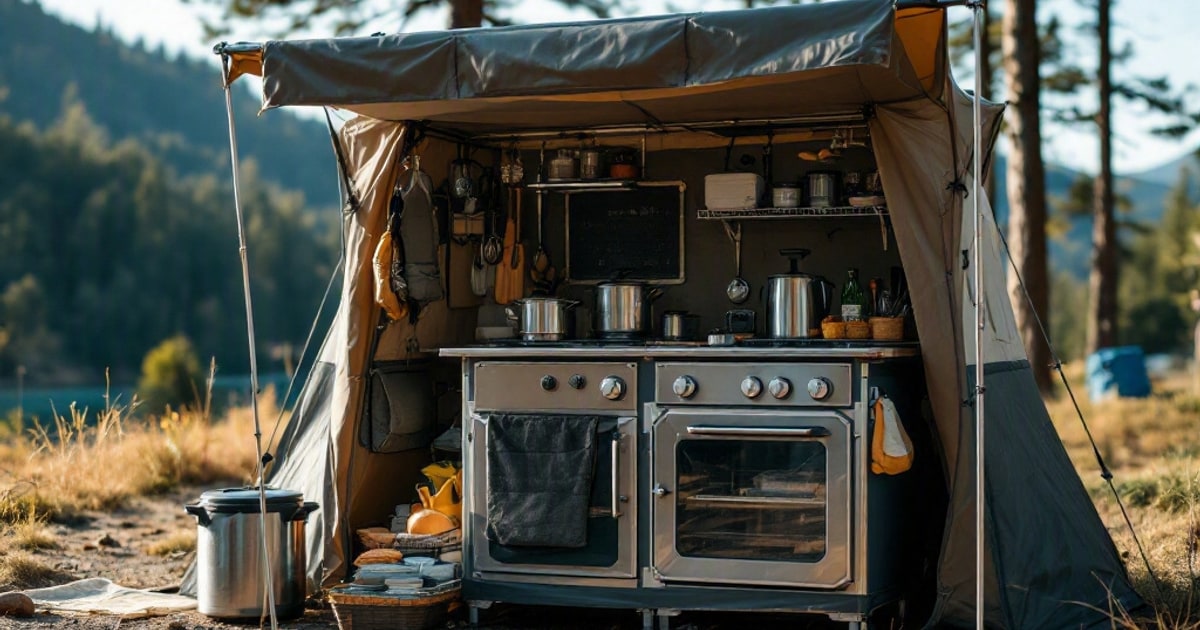
Summer in the Pacific Northwest means dry trails and long days, but feeding a hungry crew at camp can derail even the best plans. A streamlined camping kitchen system is your ticket to keeping everyone happy while minimizing the post-meal mess. Whether it’s a quick overnight or a weeklong adventure, this guide will help you build a modular setup that works.
Why a Modular Camping Kitchen?
A modular camping kitchen breaks down into smaller, organized units, making it easy to pack, transport, and set up. This approach eliminates the chaos of rummaging through bags for utensils or spices while keeping cleanup manageable. For families like mine, where three kids and three labs mean constant motion, a system that keeps gear organized is a game-changer.
Here’s how you can build your own modular camping kitchen, complete with tips from my own trial-and-error adventures.
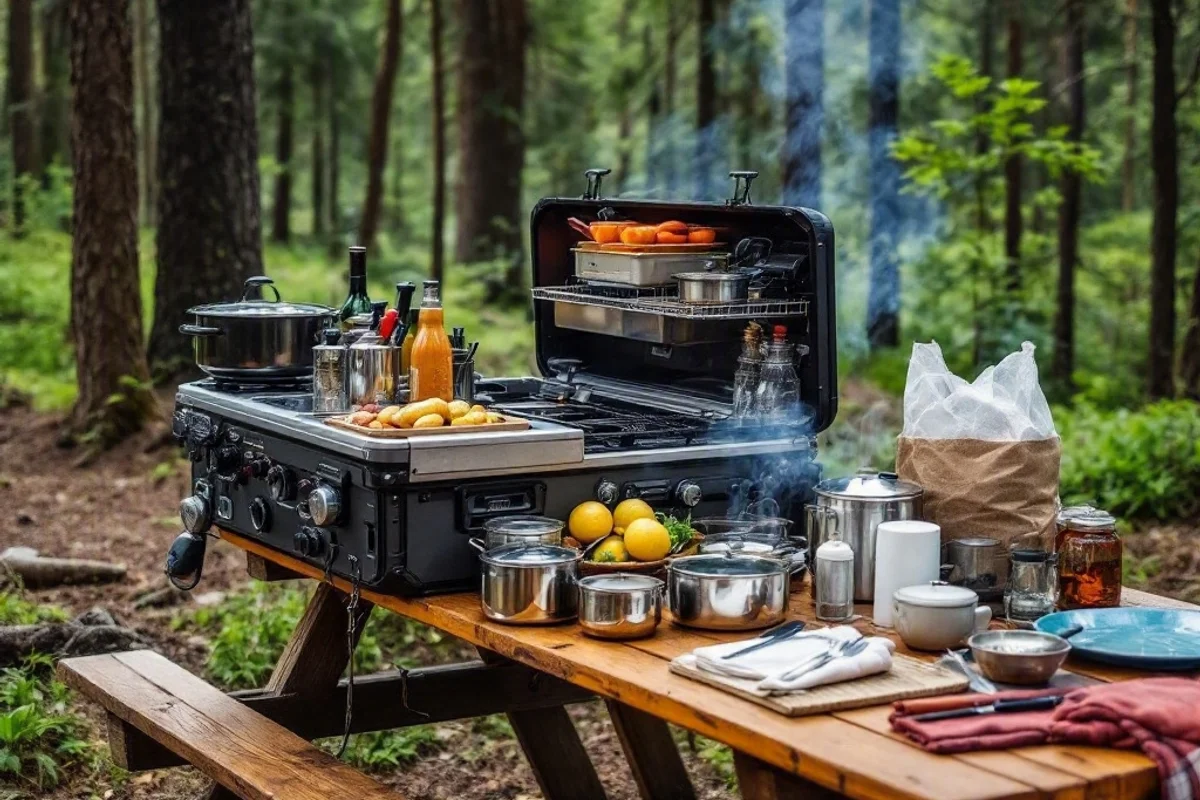
Step 1: Start with the Right Storage
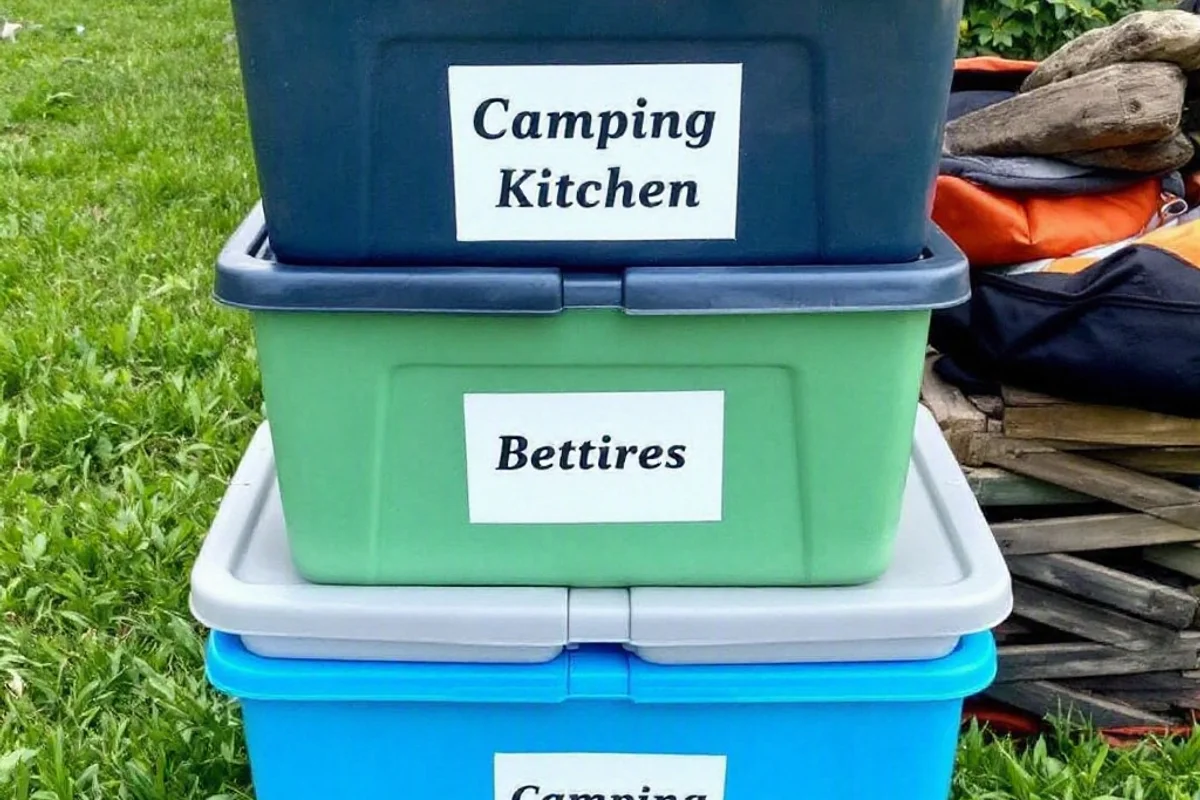
The backbone of any modular kitchen is the storage system. I recommend stackable bins or crates to separate and organize your gear. Look for durable, lightweight options with secure lids. Clear bins are great because you can see what’s inside without opening them. I’ve relied on the Rubbermaid ActionPacker Storage Bin for years — it’s tough enough to withstand rough car rides and curious dogs.
Label each bin based on its contents:
- Cooking Gear: Pots, pans, utensils, cutting boards.
- Dry Goods: Non-perishable foods, spices, coffee.
- Cleaning Supplies: Biodegradable soap, scrubbers, trash bags.
- Plates and Utensils: Reusable plates, bowls, cups, and cutlery.
This system ensures you always know where to find what you need, even in the dark. Pro tip: Use a color-coding system for quick identification.
Step 2: Choose a Compact Cooking Setup
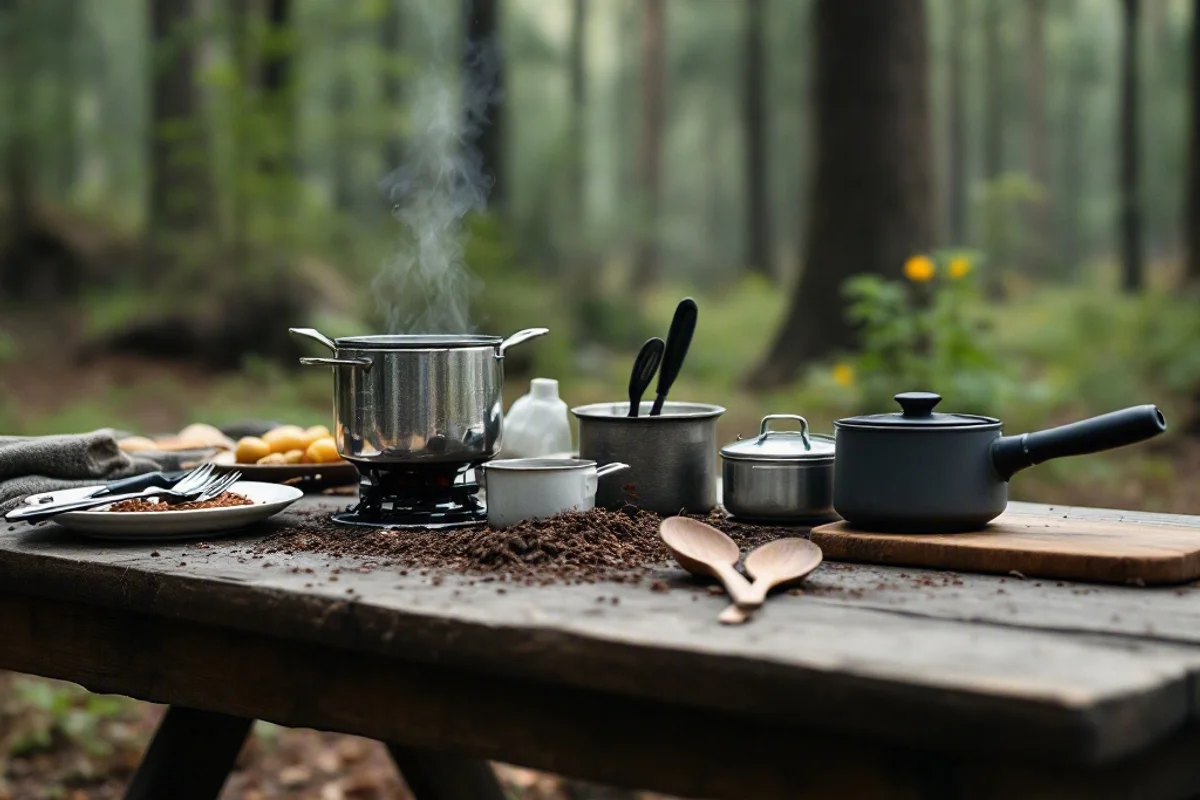
Your cooking gear should be efficient and portable. A good camping stove is a must-have. I swear by the Coleman Classic Propane Stove. It’s affordable, reliable, and folds up neatly for transport. Pair it with a lightweight cookware set, like the Stanley Adventure Camp Cook Set, which nests together to save space.
Don’t forget the fuel! Always pack an extra propane canister or two, especially if you’re heading out for more than a weekend. And for those who enjoy a campfire cookout, a cast-iron skillet can be a versatile addition — perfect for everything from pancakes to stir-fry.
Step 3: Optimize Your Food Storage
Keeping food fresh and critter-free is a top priority. Invest in a quality cooler, like the YETI Tundra, which offers excellent insulation for multi-day trips. Freeze water bottles to double as ice packs and drinking water as they melt.
For dry goods, use airtight containers to prevent spills and keep pests out. I use stackable, BPA-free plastic containers with snap-lock lids. They’re great for packing everything from cereal to trail mix.
Step 4: Don’t Forget Cleanup Supplies
Cleanup can make or break a camping experience. Pack a collapsible sink, like the Sea to Summit Kitchen Sink, to make washing dishes easier. Pair it with biodegradable dish soap and a durable scrubber. A drying rack or microfiber towels are also handy for drying dishes quickly.
Trash management is another important consideration. Bring heavy-duty garbage bags and consider a small, collapsible trash can to keep your campsite tidy. Remember, Leave No Trace principles are critical to preserving the beauty of our outdoor spaces.
Step 5: Personalize with Extras
Once you’ve got the basics covered, think about what will make your camping kitchen truly yours. For our family, a French press for morning coffee is non-negotiable. We also pack a small spice kit, a cutting board, and a sharp knife — because no one wants to struggle with dull gear when prepping dinner.
Consider adding:
- A compact lantern or headlamp for nighttime cooking.
- A picnic blanket or tablecloth for a clean eating surface.
- A first aid kit, because accidents happen.
Frequently Asked Questions
How do I keep my camping kitchen organized?
The key is to pack in layers and label everything. Use stackable bins for your gear, and dedicate each bin to a specific category. Color-coded labels or tape can help you identify bins at a glance. Before you leave, do a test run to ensure everything fits and is easy to access.
What are the best foods to bring for a camping trip?
Stick to meals that are easy to prepare and require minimal cleanup. Pre-chop vegetables, marinate proteins in advance, and pack instant options like oatmeal or ramen for quick meals. Don’t forget snacks like trail mix, granola bars, and fresh fruit.
How can I make cleanup easier while camping?
Bring a collapsible sink, biodegradable soap, and microfiber towels. Set up a dedicated cleaning station to keep dirty dishes from piling up. For trash, use heavy-duty bags and keep them well-sealed to avoid attracting wildlife.
What to Read Next

Written by Nick Reef
Nick is the Pacific Northwest dad behind OpsHQ Go — software engineer by day, parent of three by night. Everything here is tested first-hand by our family of five (plus three labs and an orange cat): recipes cooked in our kitchen, trails hiked on real weekends, games played at our table.
More about Nick & the family →Found this helpful? Share it!
Get More Shortcuts
Weekly tips, hacks, and adventures delivered to your inbox.
You Might Also Like
Trail-Gating 101: How to Pack the Perfect Post-Hike Parking Lot Picnic
8 min read
⛺ Hiking & CampingHow to Master Overnight Camping in the Rain Without Losing Your Mind
8 min read
⛺ Hiking & CampingHow to Navigate Trail Etiquette with Kids Without Turning Every Hike into a Lecture
8 min read