
The Garage Reset: How to Build a Grab-and-Go System That Actually Works
Learn how to organize your garage for quick access to gear and tools with a simple grab-and-go system.
▶ Watch the 30s recap — or browse all reels
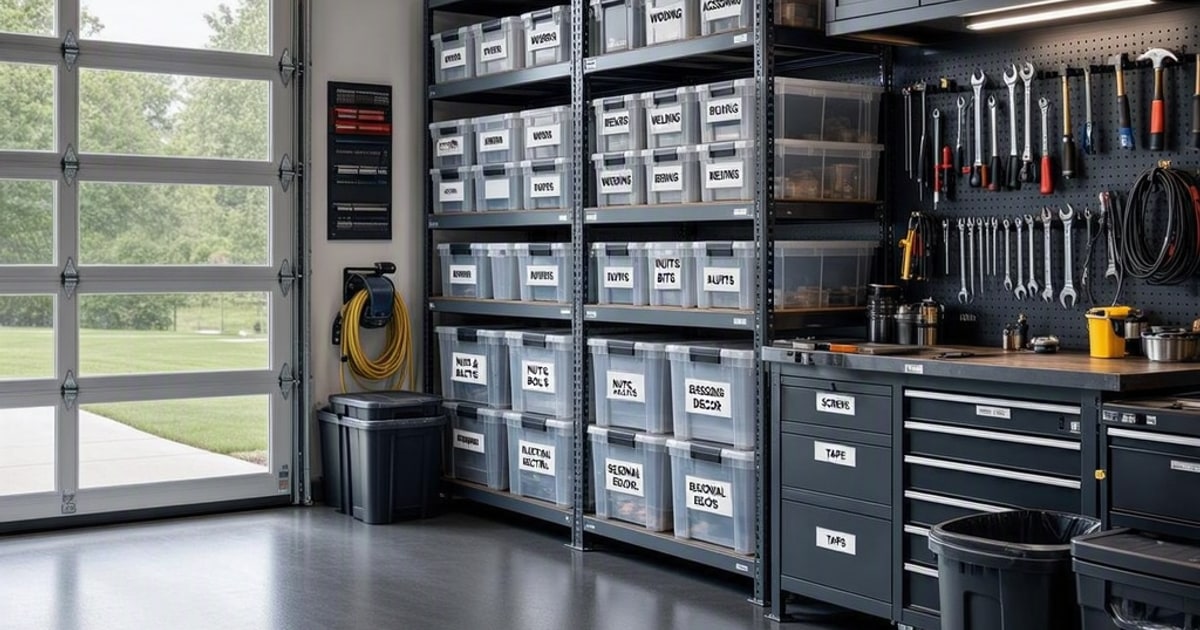
If your garage has turned into a black hole for sports gear, tools, and forgotten projects, it’s time for a reset. A grab-and-go system can save your sanity during busy mornings and weekend projects. Let’s tackle a method that keeps clutter in check while making essentials easy to access.
Step 1: Declutter and Categorize
The first step in building a functional grab-and-go system is clearing out the chaos. Dedicate a solid afternoon to this task, and invite the whole family to help. You might be surprised how much faster it goes when everyone gets involved.
Start by grouping items into categories: sports equipment, seasonal decor, tools, gardening supplies, and miscellaneous. Once sorted, evaluate each category. Ask yourself: Do we use this? Does it belong here? If the answer to either question is no, it’s time to donate, sell, or toss.
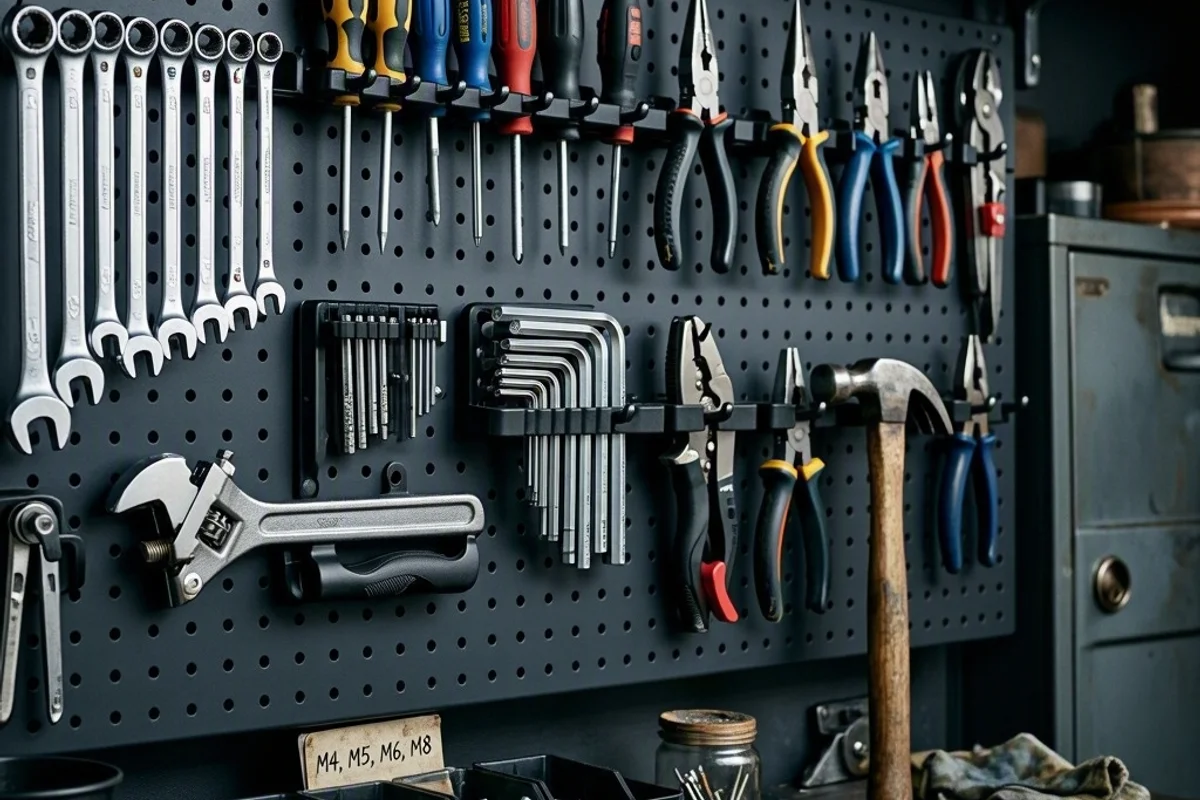
For tools and hardware, consider investing in a Wall-Mounted Tool Organizer. It’s a game-changer for keeping hammers, screwdrivers, and wrenches accessible without rummaging through drawers.
Step 2: Create Zones
Once the clutter is under control, designate zones within your garage for each category. Think of your garage as a mini store, where every item has a specific aisle. For example:
- Sports Zone: Store balls, helmets, and other gear in labeled bins or on a shelf.
- Tool Zone: Use pegboards or wall-mounted racks to hang tools, keeping them visible and within reach.
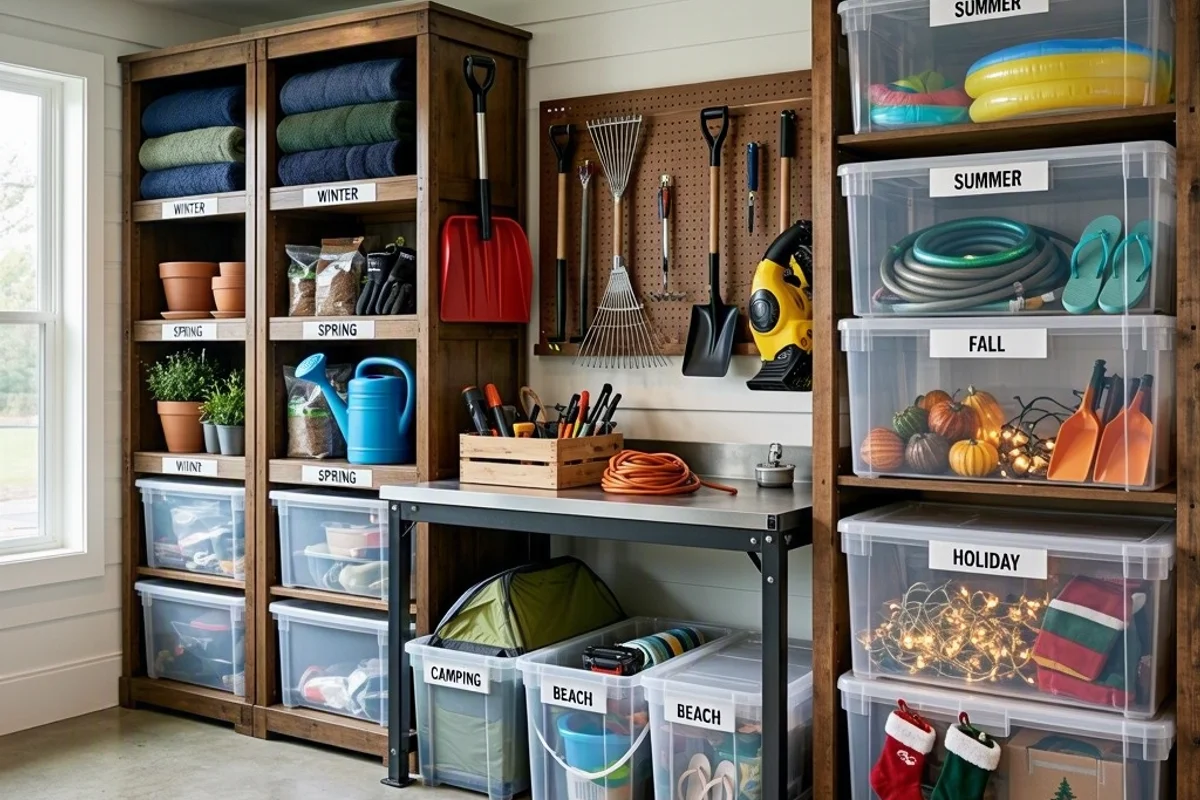
- Seasonal Zone: Place holiday decorations and camping gear in clear, labeled containers. Store these on higher shelves since they’re used less frequently.
- Gardening Zone: Keep pots, soil, and tools together in one corner, ideally near the door for easy outdoor access.
For small items like screws, nails, and bolts, a Stackable Storage Organizer can be a lifesaver. It keeps everything in one place and prevents the dreaded “Where’s the tiny screwdriver?” hunt.
Step 3: Optimize for Grab-and-Go
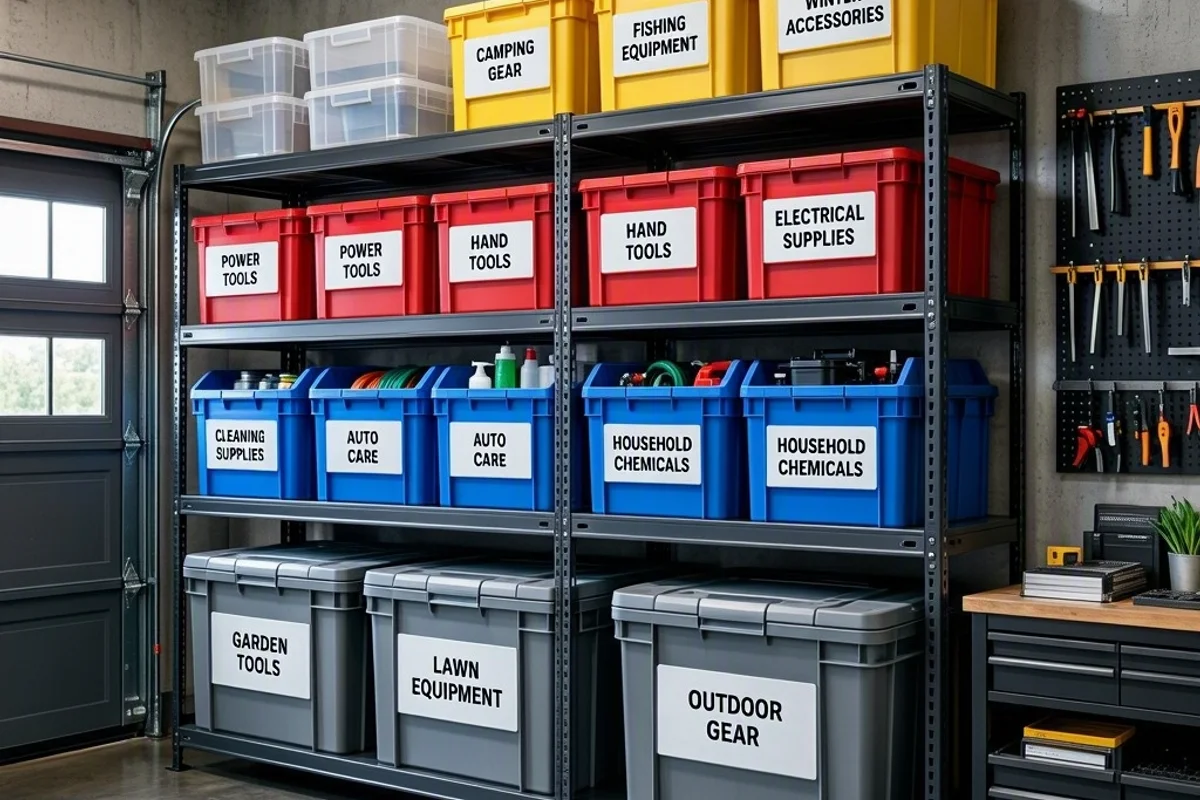
The heart of this system is making frequently used items easy to grab and put away. Here’s how:
- Install Hooks and Racks: Hang bikes, ladders, and other large items on sturdy wall hooks to free up floor space.
- Use Clear Bins: Transparent containers let you see what’s inside without opening them—a huge time saver on busy mornings.
- Label Everything: Invest in a label maker or use masking tape and a marker. Clear labels make it easy for everyone in the family to know where things go.
For families with active kids, a Sports Equipment Storage Rack is invaluable. It keeps balls, bats, and helmets in one spot, so you’re not scrambling before practice.
Step 4: Maintain the System
The best organization system in the world won’t last without regular maintenance. Schedule a monthly garage check-in to ensure everything is in its place. Make it a family activity—assign each person a zone to tidy up. This not only keeps the system functional but also teaches kids the value of staying organized.
Pro Tip: Seasonal Swaps
In the Pacific Northwest, seasons dictate a lot of our outdoor activities. When fall hits, swap out summer gear for rakes, leaf blowers, and rain boots. Keep a storage bench near the door for quick access to seasonal essentials.
Frequently Asked Questions
How do I keep my garage organized over time?
Consistency is key. Dedicate 10-15 minutes every week to tidying up. Encourage family members to put items back in their designated spots. Labeling and clear zones make this easier for everyone to follow.
What’s the best way to store sports gear?
Use a combination of hooks, shelves, and bins. A Sports Equipment Storage Rack is perfect for keeping balls, helmets, and bats in one place. Label bins for smaller items like gloves and shin guards.
How can I maximize a small garage space?
Think vertically! Use wall-mounted shelves, pegboards, and ceiling storage racks to free up floor space. Prioritize frequently used items at eye level and store seasonal or rarely used items higher up.
What to Read Next

Written by Nick Reef
Nick is the Pacific Northwest dad behind OpsHQ Go — software engineer by day, parent of three by night. Everything here is tested first-hand by our family of five (plus three labs and an orange cat): recipes cooked in our kitchen, trails hiked on real weekends, games played at our table.
More about Nick & the family →Found this helpful? Share it!
Get More Shortcuts
Weekly tips, hacks, and adventures delivered to your inbox.