
The Forgotten Kayak: How a Rainy Week Forced a Backyard Gear Rescue
A rainy week revealed the consequences of neglecting outdoor gear storage. Here's how we rescued our kayak and learned valuable lessons.
▶ Watch the 30s recap — or browse all reels
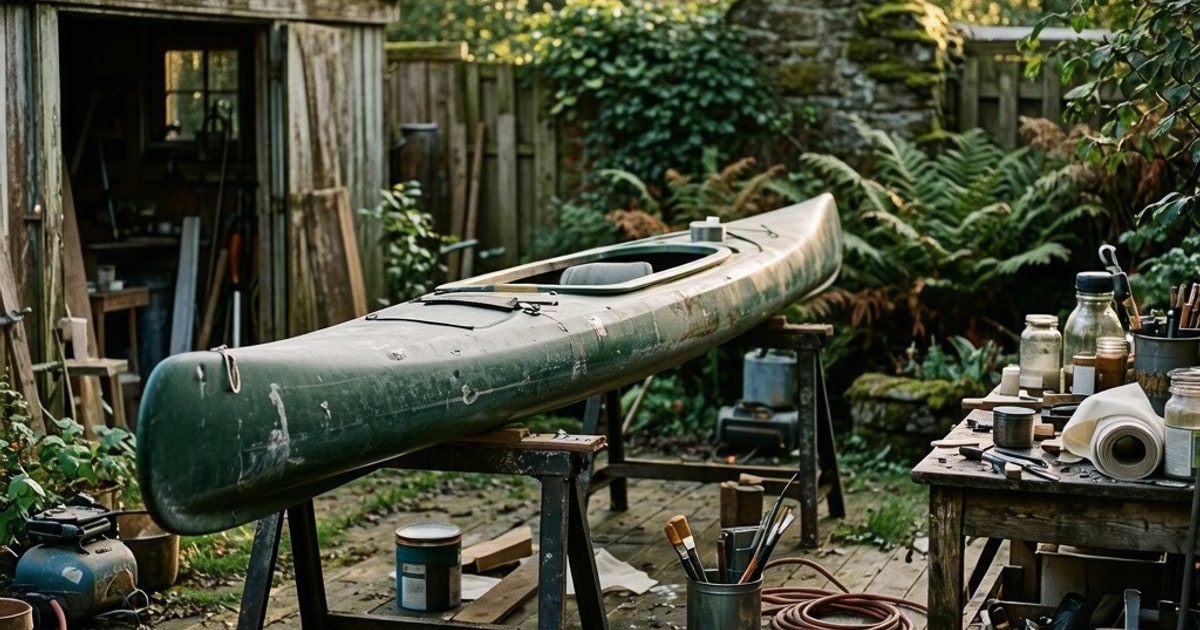
The Forgotten Kayak: A Rainy Week Reminder
We thought it was safely stored, but our old kayak took an unexpected beating from an early storm. Turns out, neglecting seasonal gear checks can cost you—and your dry-weather activities. Here’s how a soggy surprise turned into a family lesson.
The Setup: Overconfidence Meets the Pacific Northwest Rain
Fall in the Pacific Northwest often starts with a deceptive stretch of sunny days. It’s easy to assume the gear you stashed away during summer is fine until spring. That’s the mistake we made with our kayak. It sat in the corner of our backyard, propped on a couple of cinder blocks, covered by what we thought was a sturdy tarp. But after a week of relentless rain, I discovered the tarp had shifted, pooling water directly into the kayak’s cockpit.
When I finally checked on it, the kayak resembled a small pond. The water had seeped into the seams, and the dampness was threatening the integrity of the material. My daughters—Mary, Megan, and Hailey—were quick to point out the oversight. “Dad, didn’t you say you’d move it to the garage?” Hailey asked with her trademark smirk. Ouch.
The Rescue Mission: Salvaging the Kayak
The first step was draining the water. With the help of a multi-purpose bucket, we scooped and poured until the cockpit was empty. Next came drying. We used microfiber towels, which I highly recommend for any outdoor gear cleanup. They’re absorbent and quick-drying—ideal for situations like this. I always keep a stash of microfiber towels handy, and they’ve saved me countless times.
Once dry, I inspected the kayak for damage. The seams were intact, but the dampness had left a faint mildew smell. To address this, I used a gear cleaner spray, specifically designed for outdoor equipment. It not only removes odors but also conditions the material to prevent future issues.
Lessons Learned: Storage Matters
This experience taught us a few key lessons:
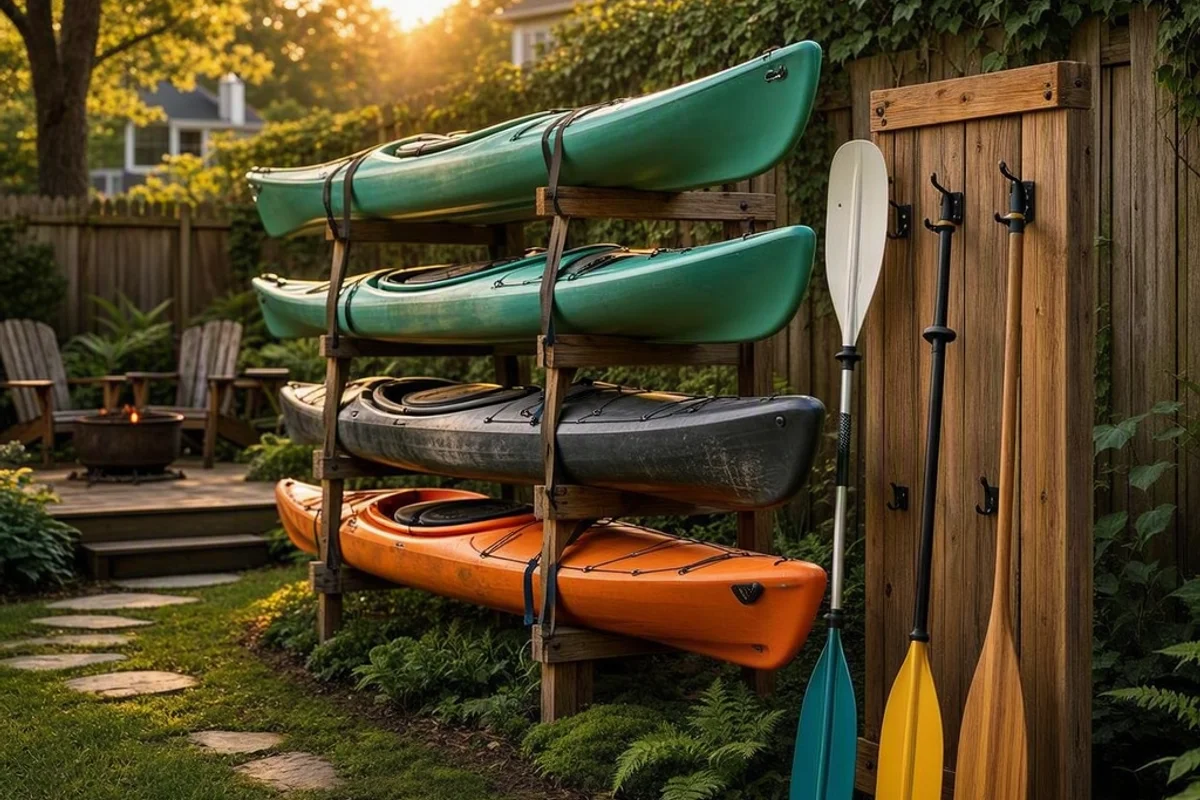
- Elevate Gear Properly: Cinder blocks are not ideal. Consider investing in a kayak storage rack to keep your gear off the ground and secure.
- Check Tarps Regularly: Even heavy-duty tarps can shift or tear. Inspect them weekly during rainy seasons.
- Create a Routine: Schedule seasonal gear checks. We’ve now added this to our family’s chore rotation.
Preventing Future Mishaps
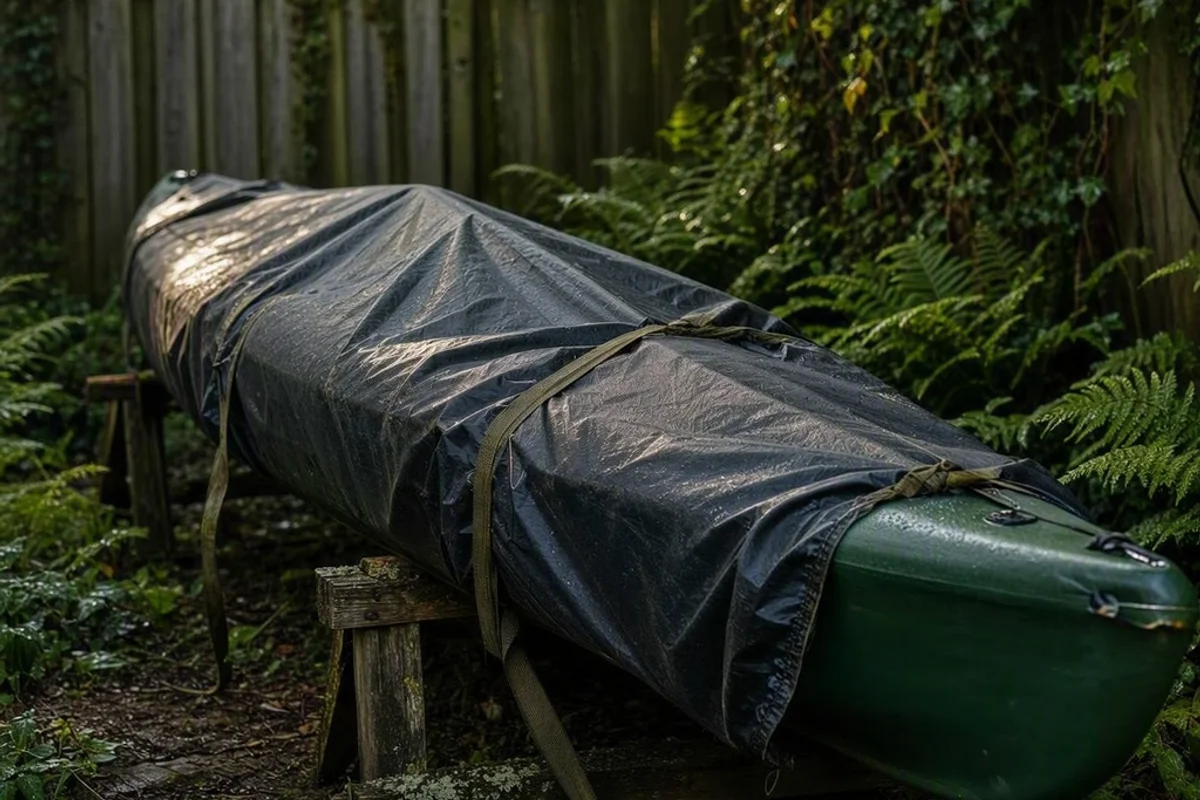
After rescuing the kayak, we decided to overhaul our backyard storage system. We added a compact shed for smaller gear and installed hooks for hanging items like paddles and life vests. For the kayak, I purchased a weather-resistant cover that fits snugly and keeps rain out.
Frequently Asked Questions
How can I prevent outdoor gear from getting damaged during rainy seasons?
Proper elevation and coverage are key. Use racks or stands to keep gear off the ground, and invest in weather-resistant covers. Regular inspections during rainy weeks also help catch potential issues early.
What cleaning products work best for outdoor gear?
Look for sprays or solutions designed for outdoor equipment. Products like gear cleaner spray can remove mildew and odors while preserving material integrity.
Are kayak storage racks worth the investment?
Absolutely. A kayak storage rack keeps your kayak off the ground, reducing exposure to moisture and pests. It’s a long-term solution that pays off.
What to Read Next
- Last Chance Lawn Games: Making the Most of Dry Days Before the Rain Rolls In
- Fall Gear Tune-Up: How to Refresh Your Family’s Outdoor Setup Before the Winter Monsoon
- How to Waterproof Your Fall Hiking Gear Without Spending a Fortune

Written by Nick Reef
Nick is the Pacific Northwest dad behind OpsHQ Go — software engineer by day, parent of three by night. Everything here is tested first-hand by our family of five (plus three labs and an orange cat): recipes cooked in our kitchen, trails hiked on real weekends, games played at our table.
More about Nick & the family →Found this helpful? Share it!
Get More Shortcuts
Weekly tips, hacks, and adventures delivered to your inbox.
You Might Also Like
Backyard Movie Night Setup Guide — How to Build an Outdoor Movie Theater (Under $150)
6 min read
👨👩👦 Family Experiences25 Indoor Activities for Rainy Days (For Kids and Adults)
8 min read
👨👩👦 Family ExperiencesBest Road Trip Snacks for Long Drives (Family Tested)
7 min read