
The Firewood Stash Strategy: Keeping Cozy Nights Rolling Without the Last-Minute Scramble
Learn how to efficiently source, store, and prep firewood for cozy fall nights without last-minute hassles.
▶ Watch the 30s recap — or browse all reels
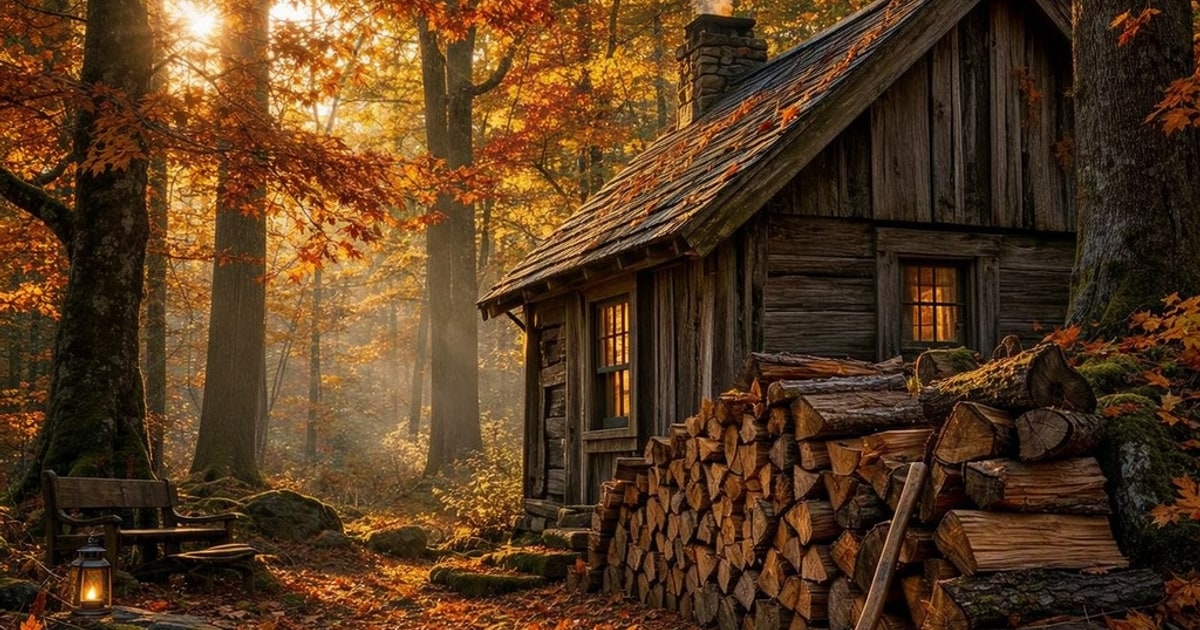
Fall is about crisp evenings, and nothing beats a backyard fire or fireplace glow. But running out of firewood mid-season? That’s a rookie move. Here’s how to stockpile smartly and keep your family’s cozy game strong.
Why Planning Your Firewood Stash Matters
In the Pacific Northwest, fall evenings can quickly turn chilly, and there’s nothing quite like the glow and warmth of a crackling fire to bring the family together. Whether you’re sitting by the fireplace inside or gathered around a fire pit outdoors, a well-stocked supply of firewood is essential. But if you’re like me, you’ve probably found yourself in a pinch at least once, scrambling to find dry wood when you need it most.
The secret to avoiding this stress? A solid firewood stash strategy. By planning ahead, you can ensure your family never has to endure a fireless evening again. Plus, it becomes a great excuse for a family project—get the kids involved in stacking, sorting, and even gathering wood. It’s a win-win: you’re prepared, and they’re occupied.
Sourcing Firewood: Where to Begin
The first step in creating your firewood stash is figuring out where to get your wood. Here are a few options to consider:
-
Local Suppliers: Check with nearby firewood suppliers or tree services. Many local businesses sell pre-cut and seasoned firewood, which is ready to burn immediately. Just make sure to ask if the wood is truly seasoned—freshly cut (or “green”) wood burns poorly and creates a lot of smoke.
-
Cut Your Own: If you have the tools and the time, cutting your own firewood can be a rewarding experience. Look for downed trees on your property or check with local landowners or forest services for permits to collect wood from designated areas.
-
Retail Stores: Big-box stores like Home Depot or Lowe’s often sell bundles of firewood, but these can get expensive if you’re relying on them for your entire supply. Use these as a backup, not your primary source.
-
Online Options: Believe it or not, you can even order firewood online. For example, Duraflame Logs are a convenient option for quick, clean-burning fires.
No matter where you source your wood, make sure it’s a mix of hardwoods like oak or maple for long-burning fires and softwoods like pine for easy kindling.
Storing Firewood: Keeping It Dry and Accessible
Proper storage is critical to ensure your firewood is ready to burn when you need it. Here’s how to do it:
-
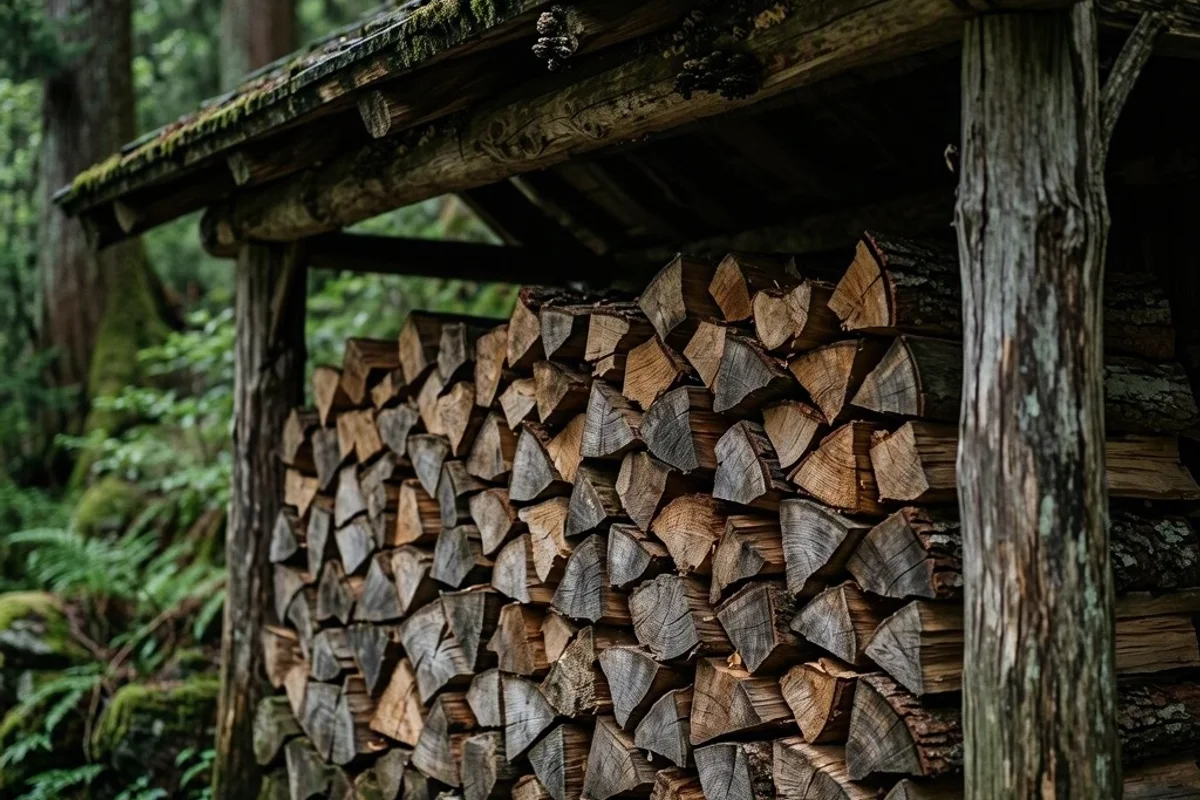
Location Matters: Choose a spot that’s close to your fire pit or fireplace but not directly against your house to avoid pests and moisture issues. An overhang or a dedicated firewood rack like the Sunnydaze Firewood Rack is a great investment.
-
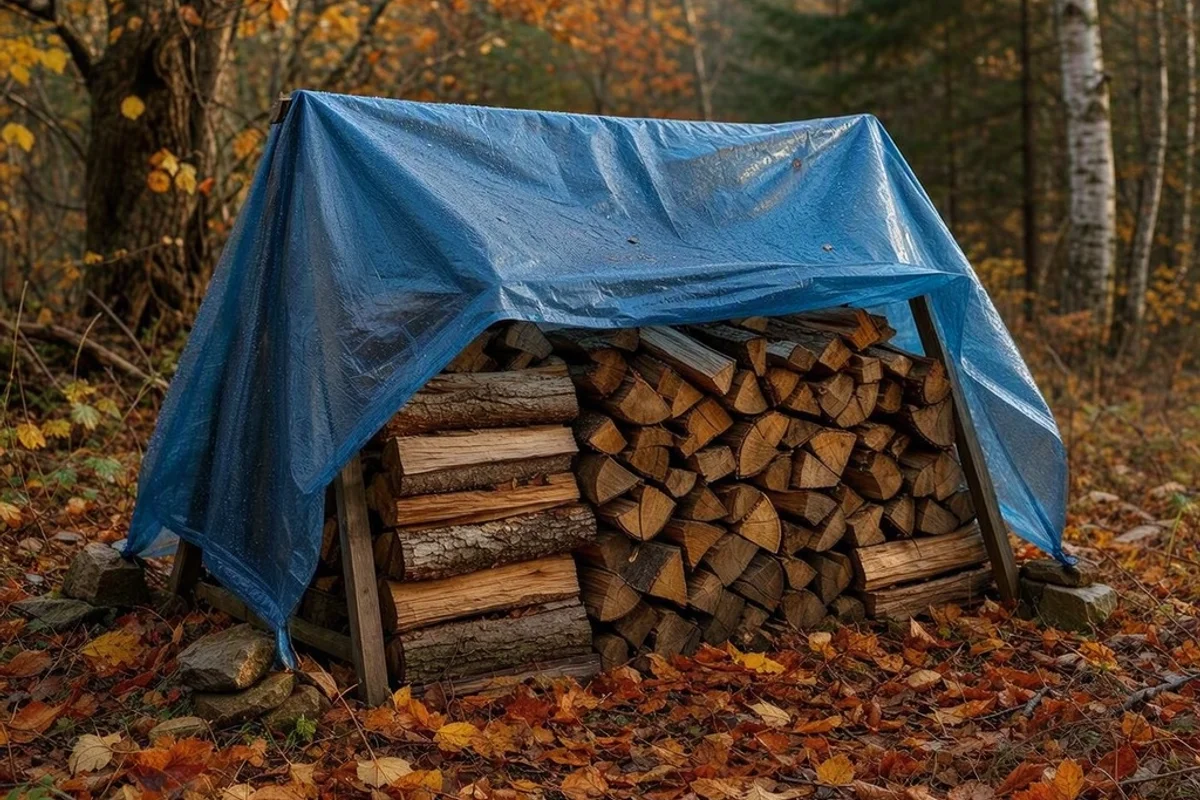
Off the Ground: Always stack your wood on a pallet or rack to keep it off the moist ground. This prevents rot and keeps the wood dry.
-
Cover It Up: Use a tarp or a firewood cover to protect your wood from rain, but make sure the sides are open for airflow. Proper ventilation is key to preventing mold and encouraging the wood to season.
-
Organize by Age: If you’re serious about your firewood game, stack your wood by the year it was cut. Older, seasoned wood should be used first, while newer wood can continue to dry.
Prepping Firewood: Making It Fire-Ready
Even the best-stored firewood needs some prep before it’s ready to burn. Here’s what you need to do:
-
Split Larger Logs: If you’ve sourced or cut your own wood, you’ll need to split the logs into smaller pieces. A Fiskars Splitting Axe is a reliable tool for this task.
-
Kindling and Starters: Keep a stash of kindling and fire starters on hand. Pine cones, small twigs, and even dryer lint can make great natural fire starters. For convenience, consider a product like Rutland Safe Lite Fire Starter Squares.
-
Test Moisture Levels: Use a moisture meter to ensure your wood is dry enough to burn efficiently. Ideal firewood should have a moisture content of less than 20%.
Making It a Family Activity
One of the best parts of building a firewood stash is that it can be a family project. Here’s how to involve everyone:
- Gathering Wood: Take the kids on a nature walk to collect small branches and twigs for kindling. It’s a fun way to get them outdoors and teach them about the importance of preparation.
- Stacking the Wood: Show your kids how to stack wood properly. Make it a game—who can stack the neatest pile?
- Decorating the Space: Let them help decorate the firewood storage area with seasonal touches like pumpkins or fairy lights. It adds a festive feel and makes them proud of their contribution.
Frequently Asked Questions
How much firewood should I store for the winter?
The amount of firewood you need depends on your usage. For occasional fires, a half-cord might suffice. For regular fireplace use, aim for at least two cords. Always err on the side of having extra—you can always use it next year.
What’s the best way to tell if firewood is seasoned?
Seasoned firewood is lighter in weight, has cracks on the ends, and makes a hollow sound when you knock two pieces together. You can also use a moisture meter to check that the moisture content is below 20%.
Can I burn any type of wood in my fireplace?
Not all wood is created equal. Hardwoods like oak and maple burn longer and hotter, making them ideal for fireplaces. Avoid burning treated wood, painted wood, or green (unseasoned) wood, as these can release harmful chemicals or create excess smoke.
What to Read Next

Written by Nick Reef
Nick is the Pacific Northwest dad behind OpsHQ Go — software engineer by day, parent of three by night. Everything here is tested first-hand by our family of five (plus three labs and an orange cat): recipes cooked in our kitchen, trails hiked on real weekends, games played at our table.
More about Nick & the family →Found this helpful? Share it!
Get More Shortcuts
Weekly tips, hacks, and adventures delivered to your inbox.