
The Emergency Coat Drying Trick: Saving Soaked Outerwear Without a Fuss
Discover a practical system for drying soaked coats quickly in rainy weather, minimizing chaos and keeping your family outings on track.
▶ Watch the 30s recap — or browse all reels
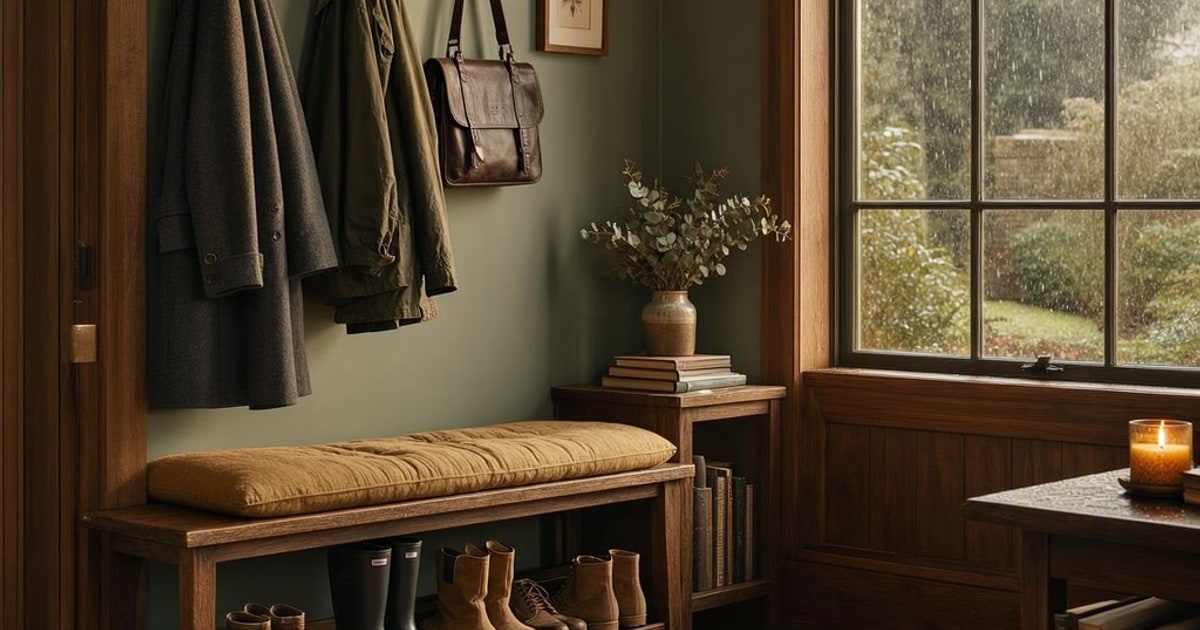
Rain-soaked kids and dripping coats are a Pacific Northwest reality, especially during fall. Here’s a quick system for drying outerwear efficiently—without turning your home into a damp, chaotic mess.
The Problem with Wet Coats
Living in the Pacific Northwest, rain is just part of life. As a dad of three daughters, I’ve seen my fair share of soaked jackets, backpacks, and shoes piling up by the door. It’s not just the mess—it’s the struggle of getting everything dry in time for the next outing. Wet coats left to their own devices don’t just stay wet; they start smelling musty and can even develop mold if forgotten.
Why a Drying System Matters
A proper drying routine isn’t just about convenience; it’s about keeping your outerwear in good shape and ready for action. Improper drying can shorten the lifespan of coats, especially those with specialized waterproofing or insulation. Plus, it’s a sanity saver when juggling school mornings or weekend hikes.
Step-by-Step Emergency Drying Trick
Here’s the system I’ve honed over years of rainy seasons:
1. Shake It Off
Before bringing wet coats inside, give them a good shake outside the door. This gets rid of excess water and debris. I’ve even taught my kids to do this as a routine—it’s become a little game for them. If mud is involved, use a gentle brush or cloth to remove it before proceeding.
2. Create a Drying Zone
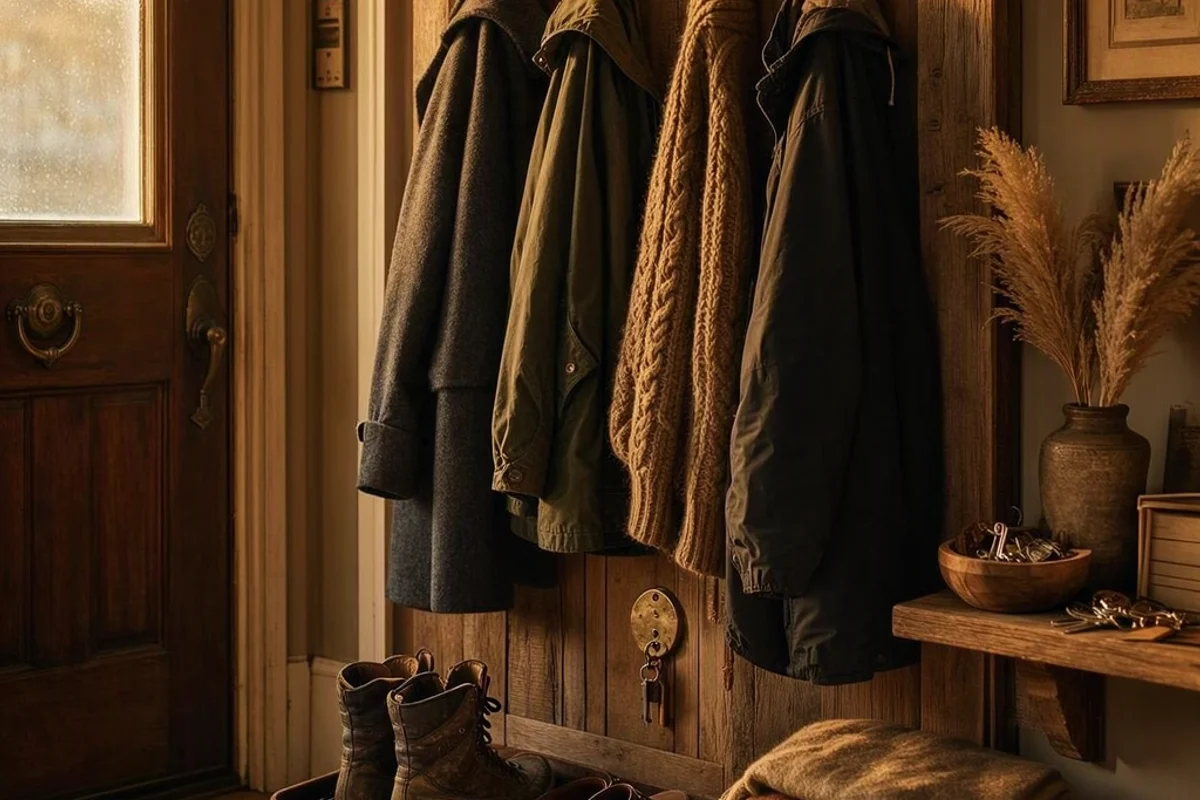
Designate a space near the entryway for wet gear. I use a boot tray and a set of hooks labeled for each family member. A heavy-duty boot tray with raised edges keeps water from spreading across the floor. Add a washable mat underneath for extra absorption.
3. Use Air Circulation
Hang coats on sturdy hooks or a drying rack positioned near a fan or dehumidifier. Air circulation is key to speeding up the drying process. For rainy days when the air is already damp, I rely on a compact dehumidifier to pull moisture out of the room.
4. Add Heat (But Carefully)
If you’re in a rush, use a hairdryer on a low-heat setting to target particularly soaked areas, like cuffs or hoods. Avoid high heat, as it can damage waterproof coatings. For larger items, a portable garment steamer can help release wrinkles while gently drying.
5. Rotate and Check
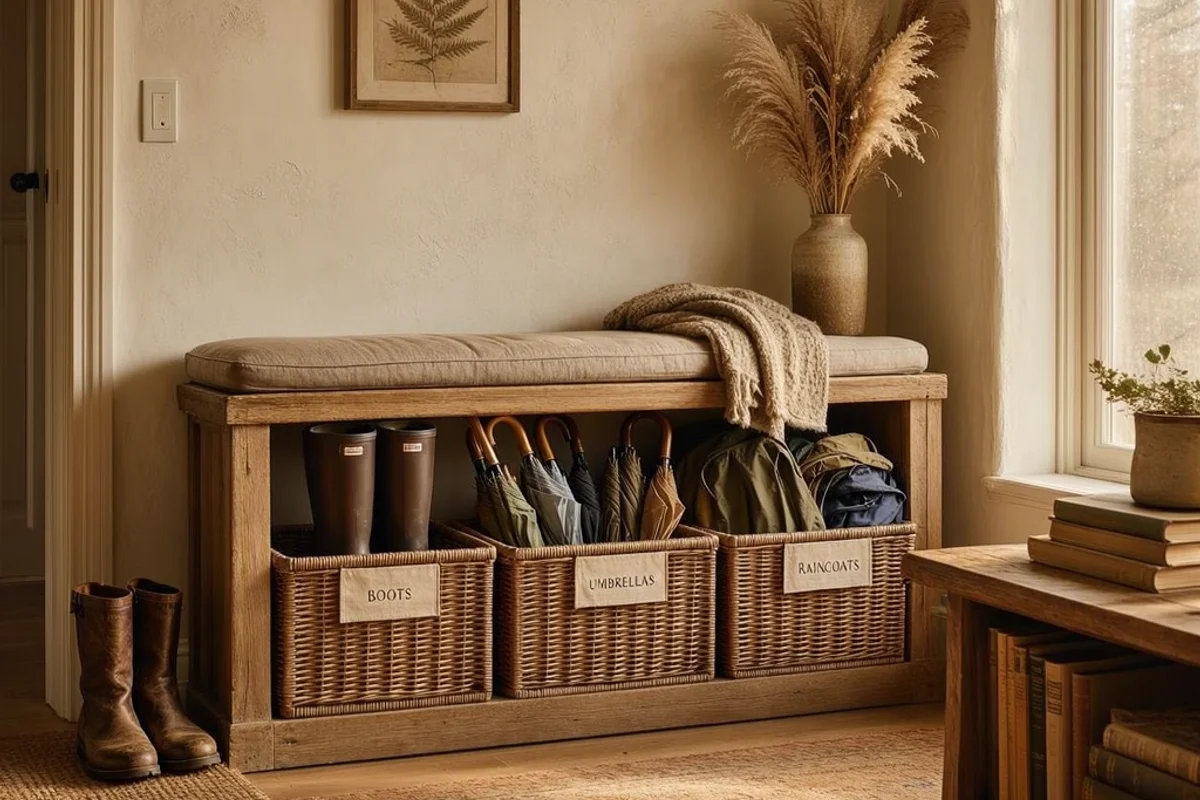
Flip coats inside out after a few hours to ensure even drying. Don’t forget to check pockets and linings—they tend to trap water. In my experience, setting a timer helps me remember to rotate items without fail.
Preventative Measures
While the emergency drying trick is great for unexpected downpours, prevention is even better. Here are some tips:
- Waterproofing: Treat coats with a waterproofing spray at the start of the season. A product like Nikwax works wonders for restoring water resistance.
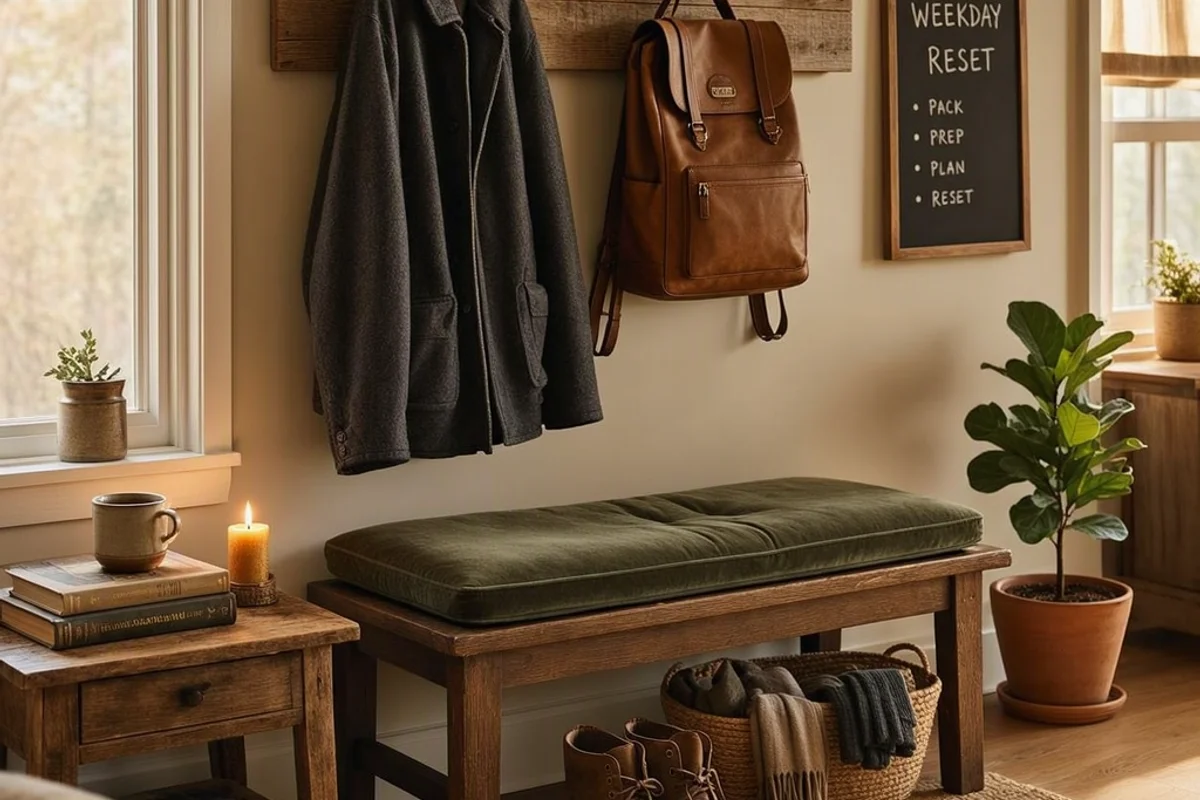
- Organized Entryway: Keep your mudroom or entryway stocked with essentials like extra hangers, towels, and labeled baskets.
- Quick Cleanup: Establish routines for cleaning and drying gear after every outing.
Frequently Asked Questions
What if I don’t have a dedicated mudroom?
No mudroom? No problem. Use a corner near your entryway or a hallway closet. Add a boot tray, hooks, and a small fan to create a makeshift drying zone. Even a bathroom with a towel rack can work in a pinch.
Is it safe to use heat on waterproof coats?
Yes, but use caution. Low heat settings are best to avoid damaging waterproof coatings. A hairdryer or garment steamer on a gentle setting can help speed up drying without harm.
How can I teach kids to keep the drying system organized?
Make it simple and fun. Assign each child their own hook and tray. Adding labels or colorful markers helps them remember their spot. Turn cleanup into a challenge or game to keep them engaged.
What to Read Next

Written by Nick Reef
Nick is the Pacific Northwest dad behind OpsHQ Go — software engineer by day, parent of three by night. Everything here is tested first-hand by our family of five (plus three labs and an orange cat): recipes cooked in our kitchen, trails hiked on real weekends, games played at our table.
More about Nick & the family →Found this helpful? Share it!
Get More Shortcuts
Weekly tips, hacks, and adventures delivered to your inbox.