
The Easy Tarp Trick: Creating a Dry Fall Camping Base Without the Fuss
Master the art of a quick, simple tarp setup to keep your family dry and gear safe during fall camping adventures in the Pacific Northwest.
▶ Watch the 30s recap — or browse all reels
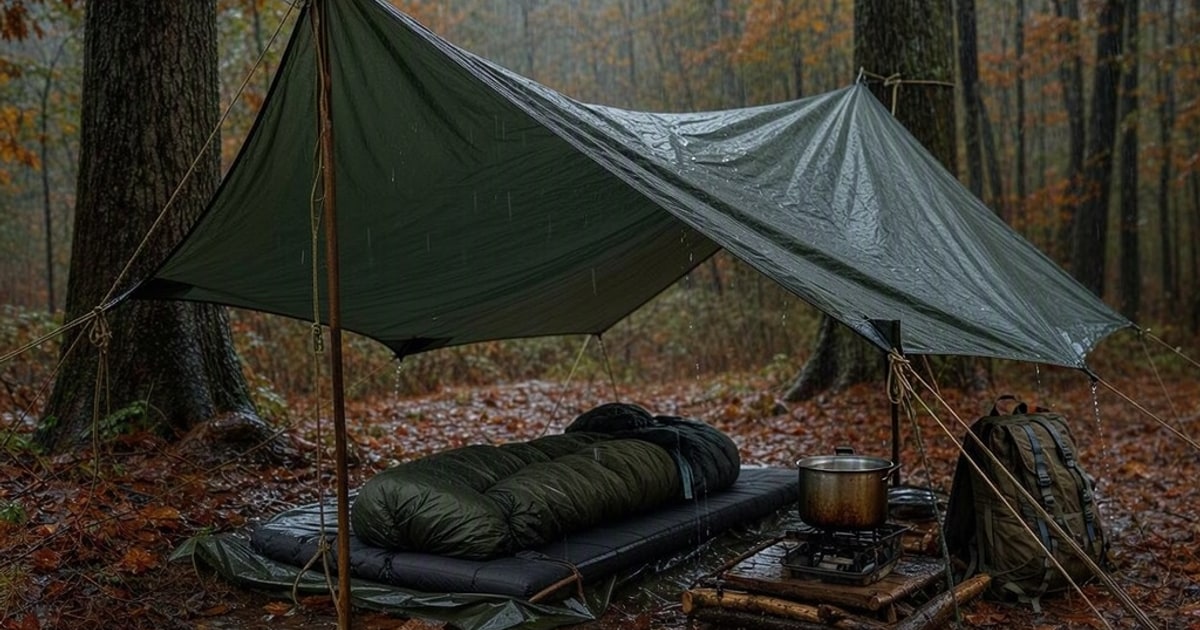
Fall camping in the Pacific Northwest can mean staring down unexpected rain and soggy ground, but a well-placed tarp can save the day. This guide walks you through setting up a simple, reliable dry zone that keeps your gear safe and your family comfortable. Over the years, I’ve learned (sometimes the hard way) how to get this right. Let’s dive in.
Why a Tarp is a Fall Camping Essential
Camping in the Pacific Northwest during fall is a mix of crisp air, beautiful foliage, and, yes, unpredictable rain. A tarp is your best defense against wet gear, muddy shoes, and cranky kids. Whether you’re pitching a tent or setting up a cooking station, a tarp can create a dry, welcoming space. Here’s how to make it work without frustration.
Choosing the Right Tarp
The first step is picking the right tarp. You’ll want something waterproof, durable, and easy to pack. I recommend the REDCAMP Waterproof Camping Tarp for its lightweight design and reinforced edges. It’s a lifesaver when the rain hits unexpectedly.
When selecting a tarp, consider:
- Size: A 10x10-foot tarp is versatile enough for most family setups.
- Material: Look for ripstop nylon or polyethylene for durability.
- Grommets: Reinforced grommets make securing the tarp easier and more reliable.
Setting Up Your Dry Zone
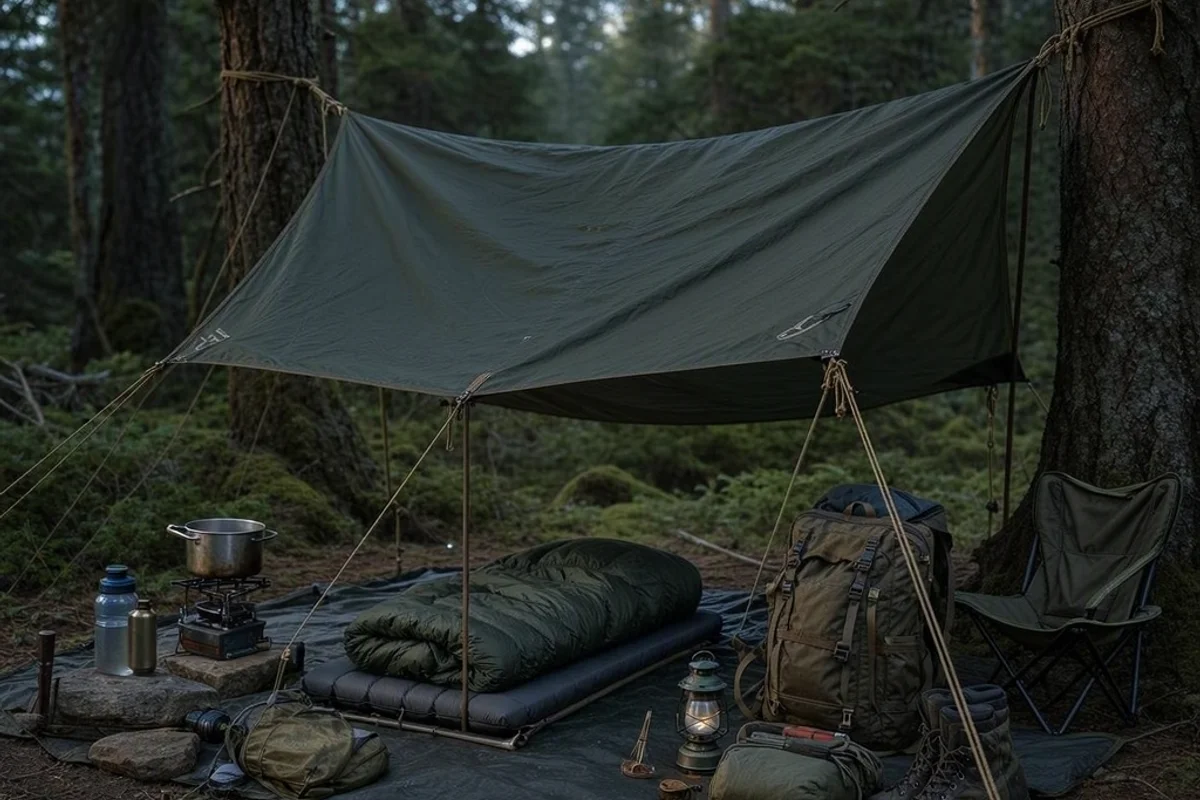
The key to a successful tarp setup is location and tension. Start by finding a flat area with sturdy anchor points like trees. If trees aren’t available, bring along adjustable poles like the Free Soldier Telescoping Tarp Poles, which are lightweight and easy to adjust to your needs.
Steps to Set Up:
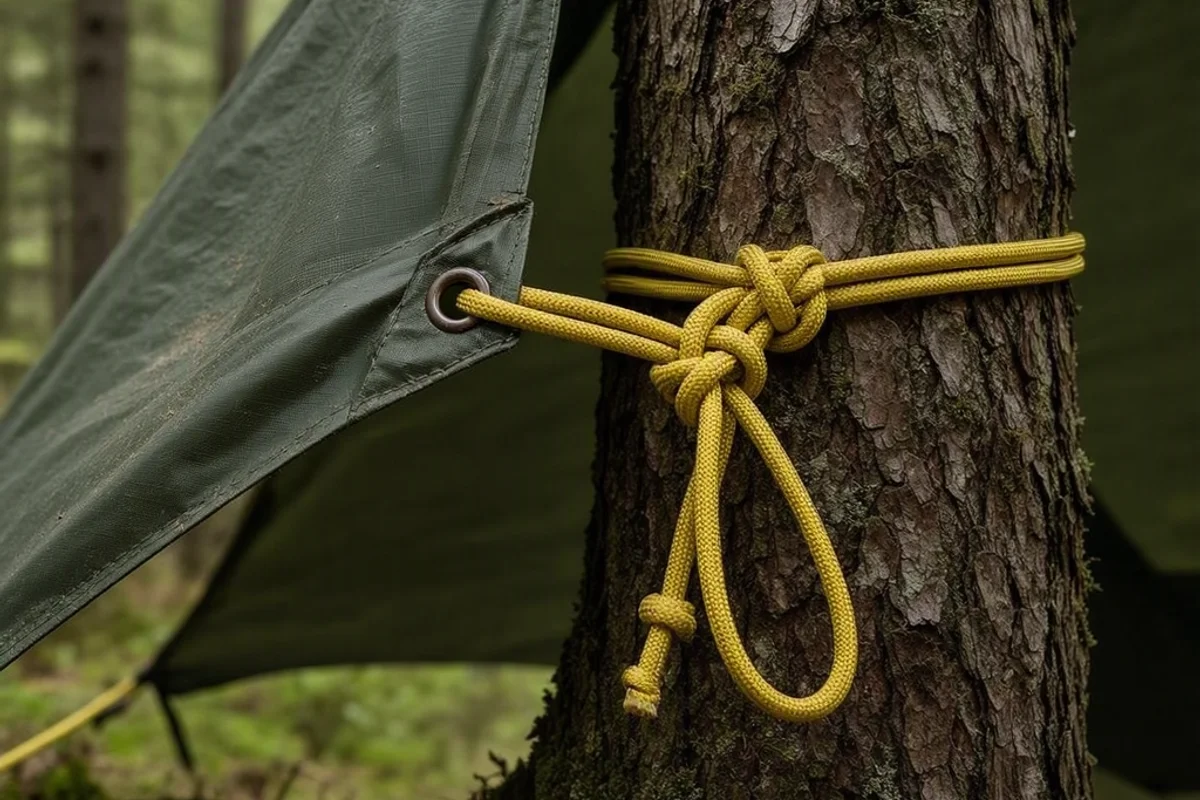
- Anchor the Corners: Use paracord or heavy-duty stakes to secure the corners. Tighten the lines to create tension and prevent sagging.
- Angle for Drainage: Pitch the tarp at an angle to let rainwater run off instead of pooling.
- Secure the Center: If you’re using poles, place them in the middle to create a peak. Otherwise, tie the center to a tree branch for added height.
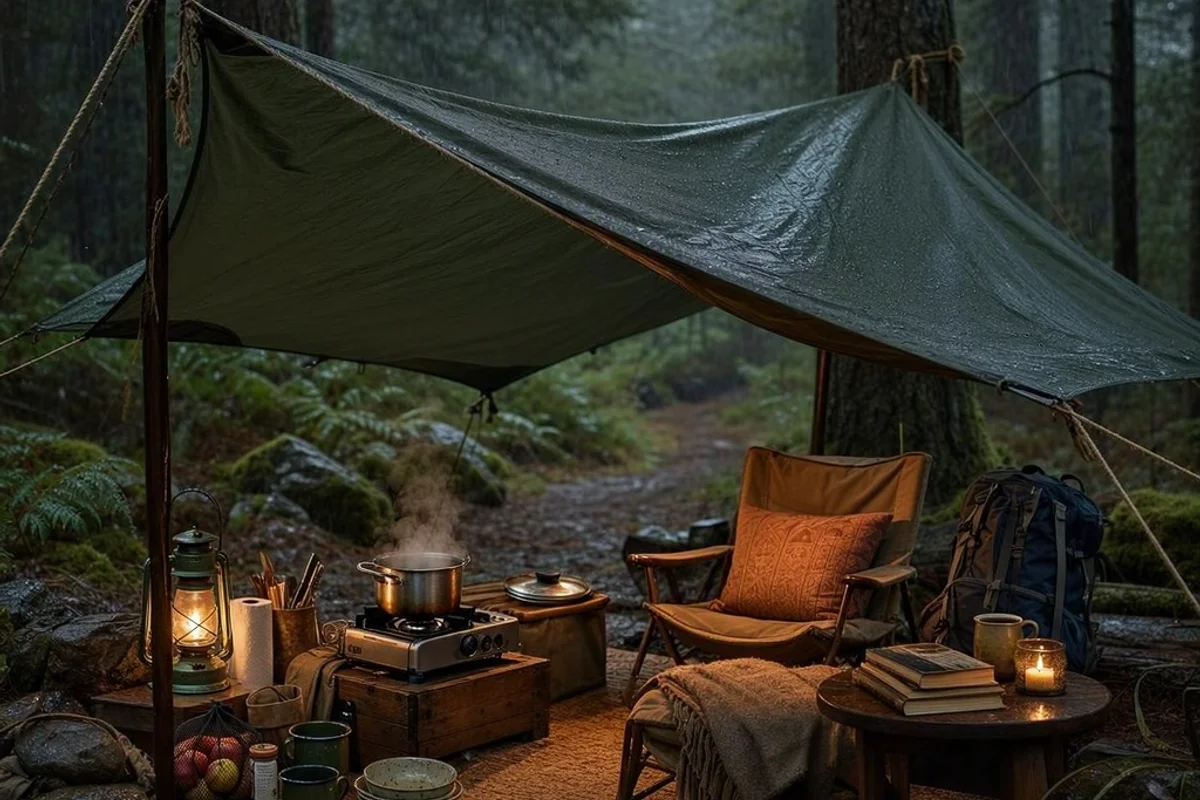
This setup not only keeps your gear dry but also provides a cozy space for meals or games when the weather turns.
Tips for Staying Dry and Comfortable
- Ground Cover: Lay down a secondary tarp under your tent or seating area. The B-Air Grizzly Multi-Purpose Waterproof Tarp is great for this purpose and adds an extra layer of insulation against damp ground.
- Gear Organization: Keep wet shoes and gear outside your tent but under the tarp. Use a collapsible bin or a waterproof bag to avoid clutter.
- Lighting: String up some LED lights or use a lantern to make the space inviting after dark.
Troubleshooting Common Tarp Issues
Even the best plans can go awry. Here’s how to handle common problems:
- Sagging Tarp: Check the tension on your lines. Adjust the anchors or add more support.
- Pooling Water: Reposition the tarp to increase the angle or adjust the peak height.
- Wind Issues: Use additional stakes or weights to secure the tarp edges against strong gusts.
Frequently Asked Questions
What size tarp is ideal for family camping?
A 10x10-foot tarp works well for most family setups, offering enough coverage for a tent and a small cooking or seating area. If you’re camping with a larger group, consider a 12x12 or 15x15-foot option.
How do I secure a tarp without trees?
If trees aren’t available, use adjustable poles designed for tarps. The Free Soldier Telescoping Tarp Poles are a great choice. You can also use tent stakes and guy lines to create tension.
Can I use a tarp as a tent footprint?
Absolutely. A tarp makes an excellent footprint to protect your tent floor from moisture and abrasion. Just ensure it’s slightly smaller than your tent base to prevent water from pooling underneath.
What to Read Next
- The Campfire Breakfast Pivot: Turning Chilly Mornings Into Family Wins
- Wet Dog Chronicles: Managing Post-Hike Chaos Without Ruining Fall Vibes
- The Fall Boot Bench Hack: Keeping Your Entryway Chaos-Free This Mud Season

Written by Nick Reef
Nick is the Pacific Northwest dad behind OpsHQ Go — software engineer by day, parent of three by night. Everything here is tested first-hand by our family of five (plus three labs and an orange cat): recipes cooked in our kitchen, trails hiked on real weekends, games played at our table.
More about Nick & the family →Found this helpful? Share it!
Get More Shortcuts
Weekly tips, hacks, and adventures delivered to your inbox.