
The Dutch Oven Debacle: Learning to Love Cast Iron Despite a Soggy Start
A practical guide to mastering Dutch oven cooking, inspired by a rainy week of trial and error in the Pacific Northwest.
▶ Watch the 30s recap — or browse all reels
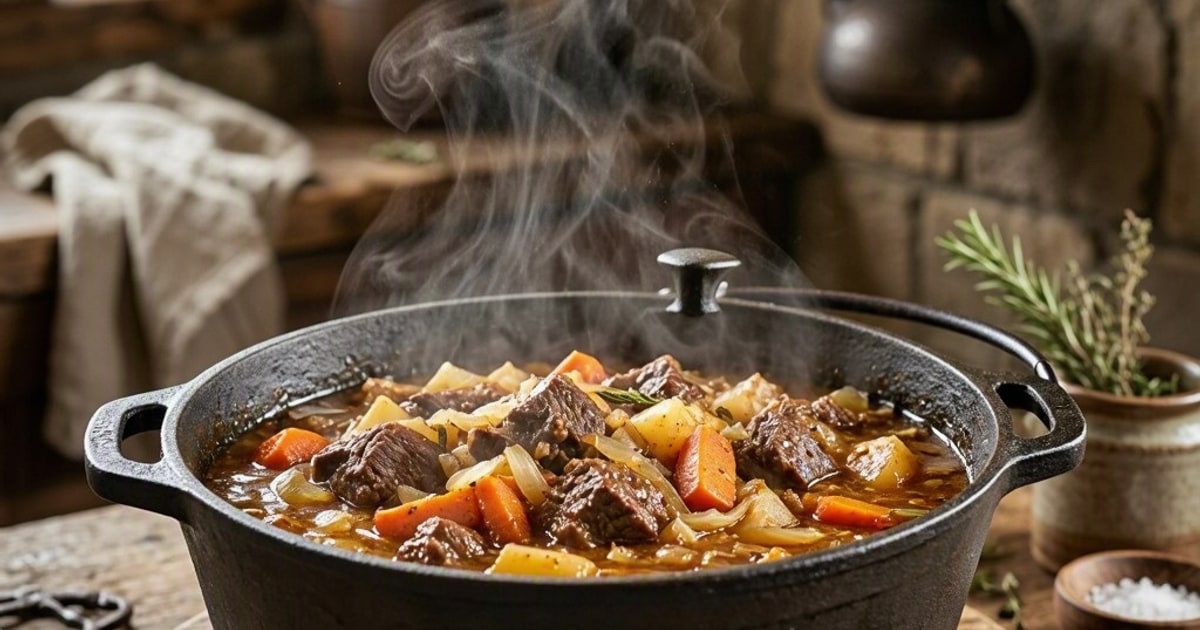
When I decided to embrace the art of cast iron cooking, I imagined rustic, Instagram-worthy stews. What I got instead was a soggy mess and a near-disaster. Here’s how I salvaged the situation and learned to make the Dutch oven my new kitchen MVP.
The First Attempt: A Soggy Start
It was a typical rainy fall weekend in the Pacific Northwest, the kind where the air smells of damp pine, and the ground is a patchwork of leaves. I had just bought my first Dutch oven—a beautiful, heavy, enameled piece in a deep forest green that matched the mossy hues outside my kitchen window. My daughters, Mary, Megan, and Hailey, were thrilled about the prospect of a hearty beef stew, and I was equally excited to impress them with my newfound “rustic dad chef” skills.
The recipe seemed simple enough: sear the beef, sauté the vegetables, add broth and seasonings, and let it simmer. But somewhere along the way, things went awry. Maybe it was the overly enthusiastic pour of red wine, or perhaps I underestimated how much liquid those vegetables would release. By the time dinner was ready, the stew was more of a soup, and the flavors were… let’s just say, underwhelming. The girls were polite but clearly unimpressed. Even Max, our orange tabby, sniffed at the bowl and walked away. Ouch.
Determined to redeem myself, I dove into research. I read articles, watched videos, and even called my mom for advice. What I discovered was a treasure trove of tips and tricks that transformed my Dutch oven game. Here’s what I learned and how you can avoid my initial missteps.
Embracing the Basics of Dutch Oven Cooking
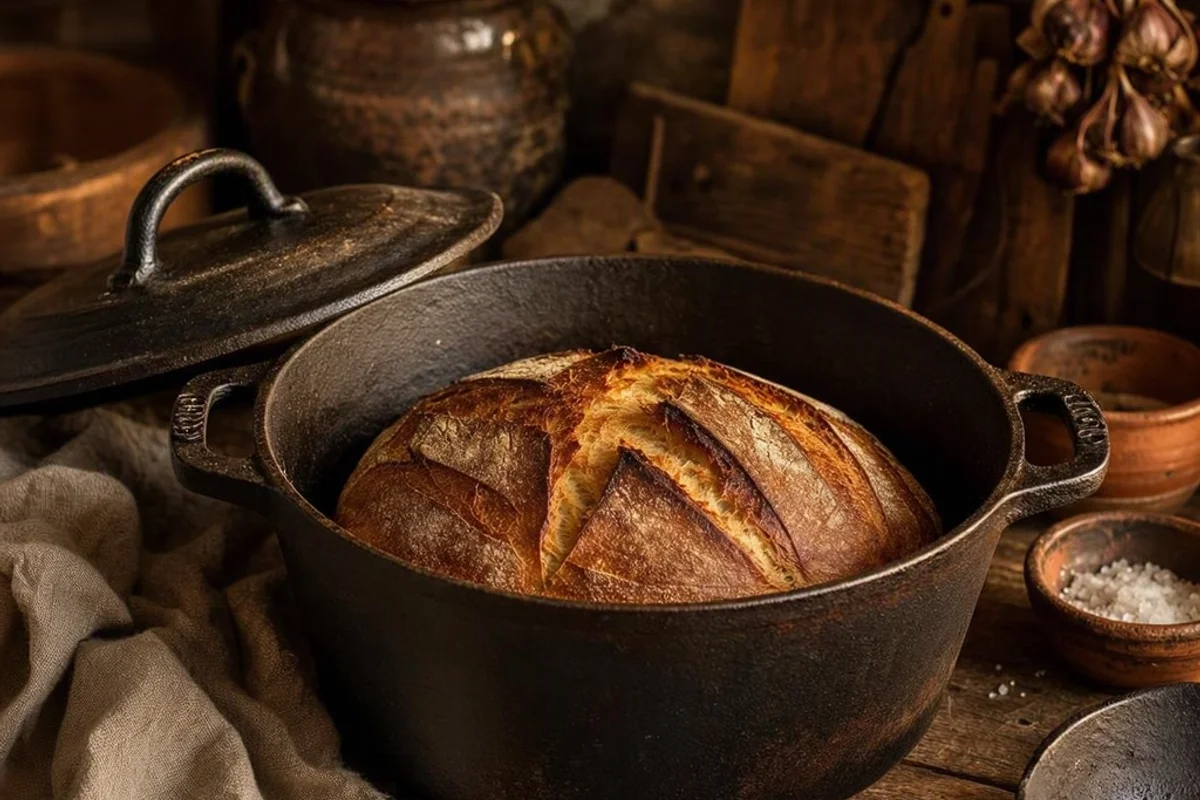
The first thing I learned is that a Dutch oven is not just a pot—it’s a versatile kitchen workhorse. Whether you’re baking bread, simmering soups, or braising meats, understanding the basics of how a Dutch oven works is crucial.
Seasoning Your Cast Iron
If you’re using a traditional cast iron Dutch oven, seasoning is key. This process involves coating the surface with a thin layer of oil and heating it until it polymerizes, creating a natural, non-stick surface. Thankfully, many enameled cast iron Dutch ovens, like the Lodge Enameled Cast Iron Dutch Oven, come pre-seasoned, saving you a step.
Heat Management
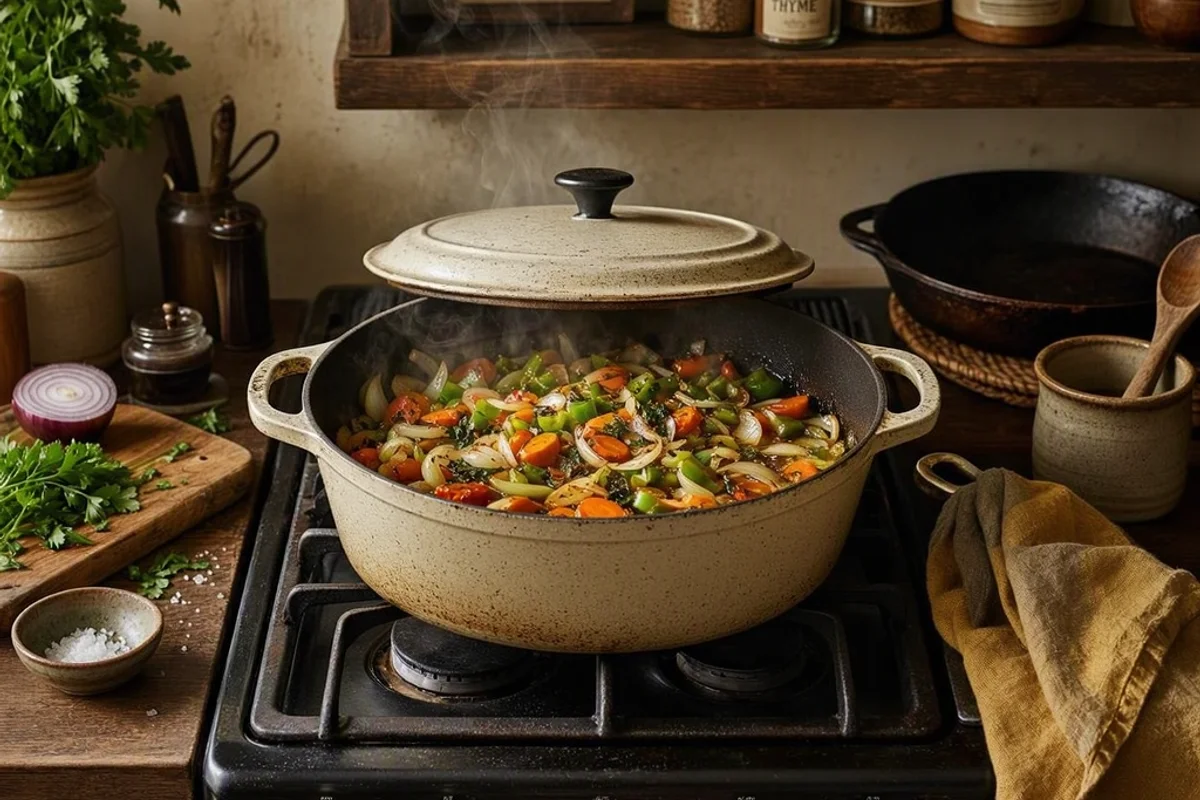
One of my early mistakes was not understanding how to manage heat. Cast iron retains heat incredibly well, which is great for slow cooking but can lead to burnt food if you’re not careful. Always start with medium heat and adjust as needed. Use a sturdy trivet or heat diffuser if you’re working with a gas stove to prevent hot spots.
Using the Lid Correctly
The lid of a Dutch oven is designed to fit tightly, trapping steam and creating a moist cooking environment. This is perfect for braising meats or baking bread but can lead to overly watery dishes if you’re not careful. If you’re making a stew or soup, consider leaving the lid slightly ajar to allow excess moisture to escape.
From Fails to Feasts: My Dutch Oven Success Stories
After my initial failure, I was determined to master the art of Dutch oven cooking. I started with simpler recipes: a basic chicken and vegetable stew, a no-knead bread, and even a batch of baked beans. Each success built my confidence and my daughters’ faith in my cooking abilities.
The Perfect Beef Stew
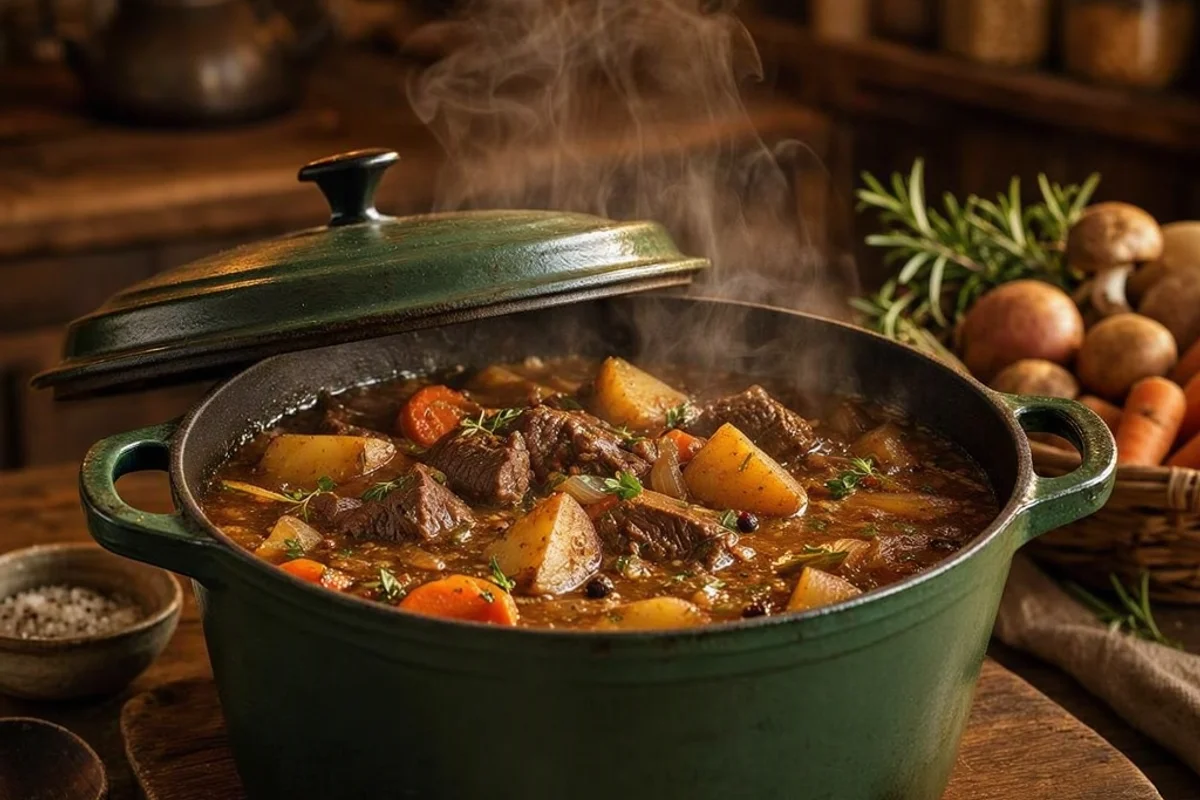
Armed with my newfound knowledge, I revisited the beef stew recipe. This time, I browned the meat in batches to ensure a good sear, deglazed the pot with a measured amount of red wine, and used just enough broth to cover the ingredients. The result? A rich, hearty stew that had Mary asking for seconds and Hailey declaring it “better than takeout.”
The Magic of Dutch Oven Bread
One of the most satisfying things I’ve made in my Dutch oven is bread. The process is surprisingly simple, and the results are bakery-quality. With the AmazonBasics Enameled Cast Iron Dutch Oven, I achieved a crusty, golden loaf that was soft and airy inside. The key is to preheat the Dutch oven before adding the dough, which creates the perfect environment for a crispy crust.
Versatility in Everyday Cooking
Beyond stews and bread, I’ve used my Dutch oven for a variety of dishes. From a spicy chili that Megan loves to slow-cooked pulled pork for our family BBQ nights, the possibilities are endless. I even experimented with desserts, like a peach cobbler, which turned out to be a hit with the whole family.
Tips for Dutch Oven Success
- Preheat Gradually: Avoid thermal shock by heating your Dutch oven slowly, especially if it’s enameled.
- Use the Right Tools: Wooden or silicone utensils are best to prevent scratching the surface.
- Clean with Care: Avoid harsh detergents; a simple scrub with warm water and a Lodge Pan Scraper works wonders.
- Store Properly: Keep your Dutch oven dry and well-ventilated to prevent rust.
Frequently Asked Questions
How do I prevent food from sticking to my Dutch oven?
Sticking is often caused by insufficient seasoning or cooking at too high a heat. Make sure your Dutch oven is well-seasoned (if it’s not enameled) and preheat it before adding food. Using enough oil or fat can also help create a non-stick surface.
Can I use a Dutch oven on a glass stovetop?
Yes, but with caution. Enameled Dutch ovens, like the Cuisinart Chef’s Classic Enameled Cast Iron, are usually safe for glass stovetops. Just avoid dragging the pot to prevent scratches and lift it instead.
What size Dutch oven should I buy?
It depends on your needs. For a small family, a 5-6 quart Dutch oven is versatile enough for most recipes. If you often cook for larger groups, consider an 8-quart model.
What to Read Next

Written by Nick Reef
Nick is the Pacific Northwest dad behind OpsHQ Go — software engineer by day, parent of three by night. Everything here is tested first-hand by our family of five (plus three labs and an orange cat): recipes cooked in our kitchen, trails hiked on real weekends, games played at our table.
More about Nick & the family →Found this helpful? Share it!
Get More Shortcuts
Weekly tips, hacks, and adventures delivered to your inbox.
You Might Also Like
Dutch Oven vs. Grill Basket: Which Summer Cooking Tool Earns Its Keep?
8 min read
📝 recipes-kitchenFourth of July Leftovers Revamp: Easy Recipes to Transform Your Grill Haul
8 min read
📝 recipes-kitchenStand Mixer vs. Food Processor: Which Workhorse Deserves Counter Space?
8 min read