
The Campfire Code: Teaching Kids Safe Fire Skills Without Losing Your Nerves
Guide to teaching kids fire safety and skills for summer camping or backyard evenings.
▶ Watch the 30s recap — or browse all reels
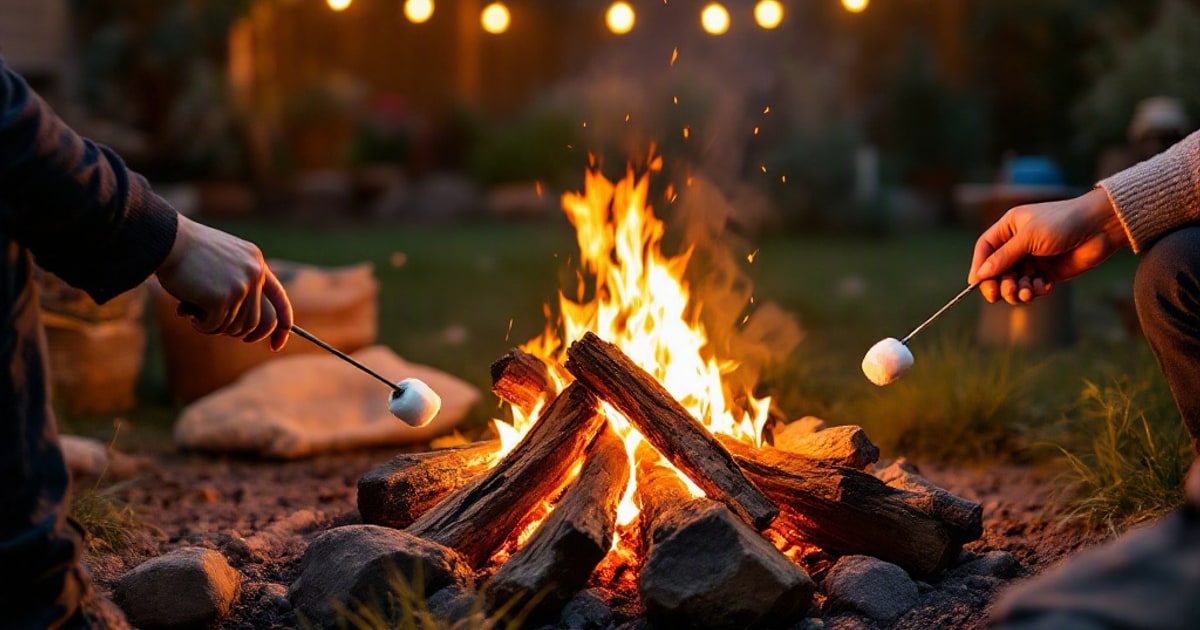
Fire safety doesn’t have to be a buzzkill—it can be a skill-building adventure. Whether it’s for backyard fire pits or an upcoming camping trip, teaching kids how to handle fire responsibly is a must for any Pacific Northwest family. Here’s how to turn it into a memorable experience that leaves everyone confident and your eyebrows intact.
Why Fire Skills Matter for Kids
Fire is fascinating for kids, and it can be intimidating for parents. But learning how to respect and use fire safely is a life skill that pays off. Whether it’s roasting marshmallows, lighting a lantern, or simply understanding the risks, kids who know the basics of fire safety are better equipped for outdoor adventures and even emergency situations.
In our family, the summer evenings often revolve around fire pits or campfires. My three daughters—Mary, Megan, and Hailey—have grown up learning how to handle fire responsibly, with plenty of supervised practice. Here’s how we approach it without losing our nerves or singeing our eyebrows.
Setting the Ground Rules
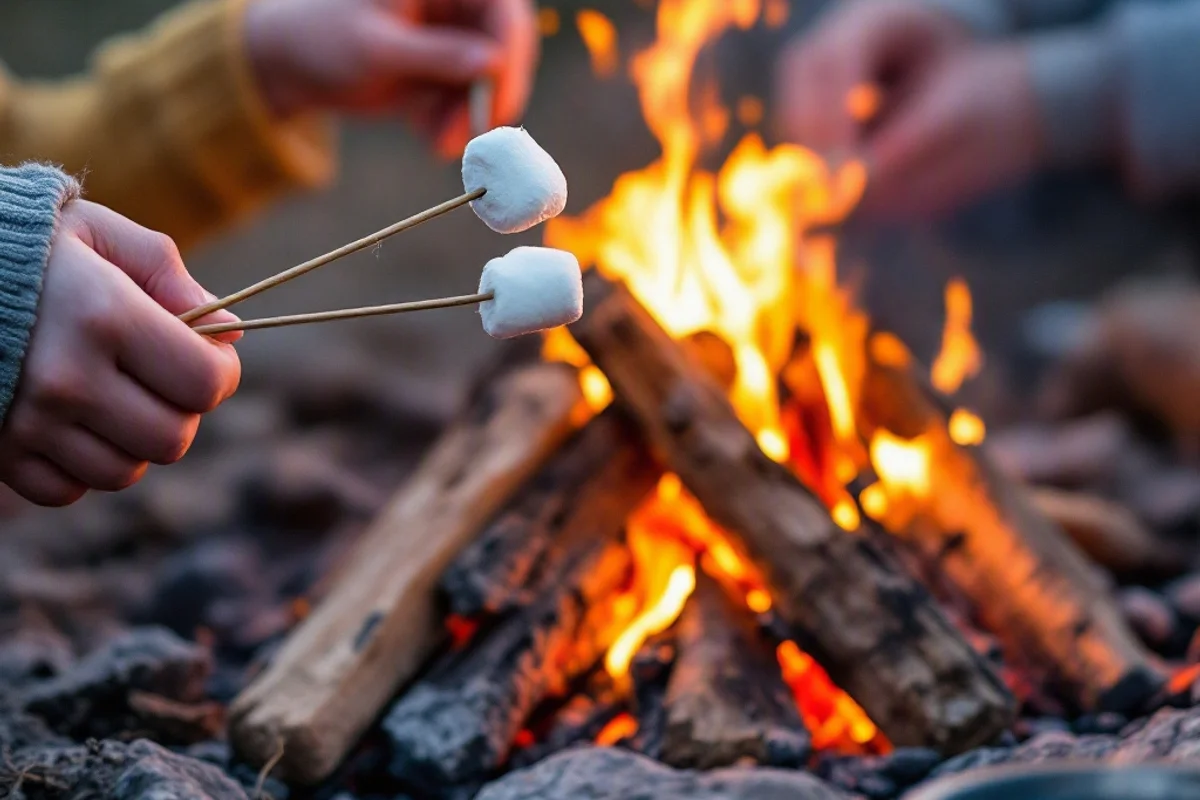
Before you even strike a match, lay out the rules. These should be clear, age-appropriate, and non-negotiable. For our family, the rules look like this:
- No running near the fire.
- Always ask before adding wood or poking the fire.
- Keep a safe distance unless instructed otherwise.
- Know where the water bucket is.
We also emphasize the importance of listening to adults and following instructions. It’s not about scaring them—it’s about making them aware of the risks and teaching them how to manage those risks responsibly.
Hands-On Learning: Building the Fire
Kids learn best by doing, so involve them in the process. Here’s a simple, step-by-step method for teaching kids to build a fire:
-
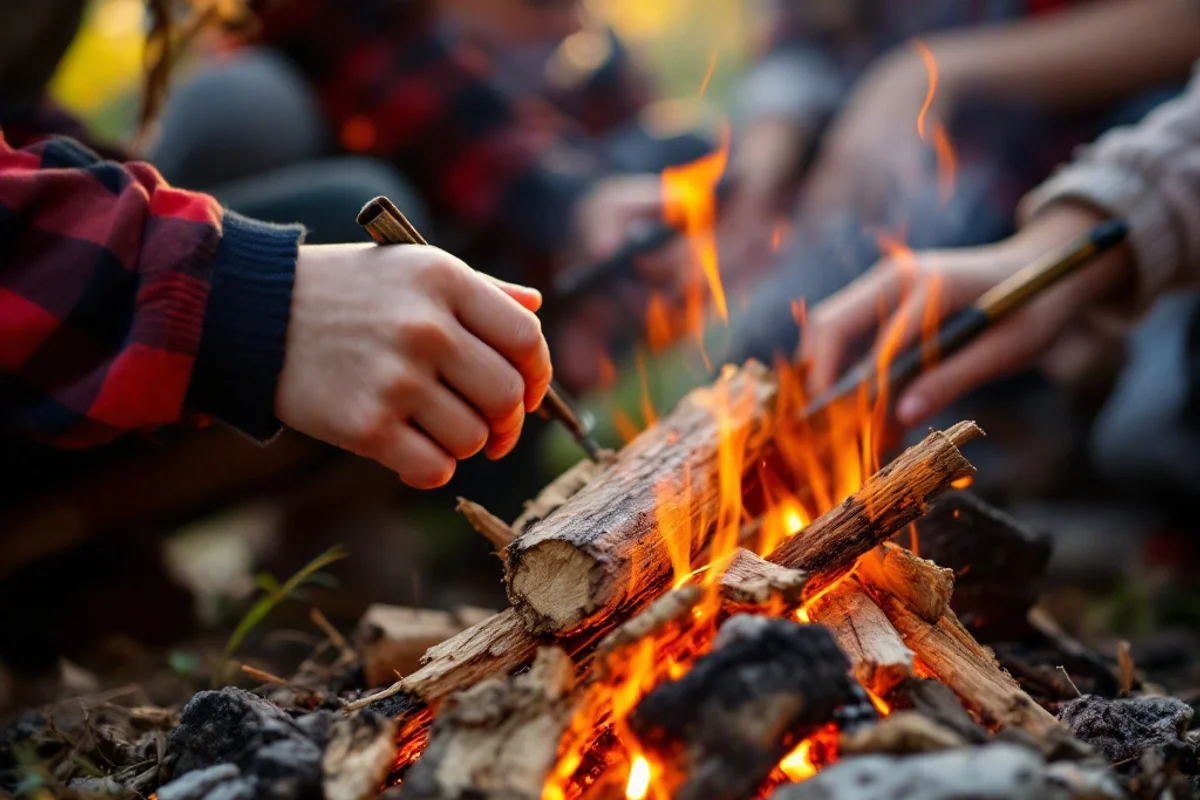
Gathering Materials: Teach them to identify tinder, kindling, and fuel wood. For younger kids, start with something simple like collecting sticks.
-
Creating a Base: Show them how to arrange the tinder and kindling to allow airflow. We use a Fire Starter Kit for easy ignition and to reduce frustration.
-
Lighting the Fire: This step is for older kids or with close supervision. We use long-handled matches or a Fireproof Lighter for safety.
-
Maintaining the Fire: Teach them how to add wood gradually and to watch for signs of smoke or uneven burning.
Supervised Marshmallow Roasting
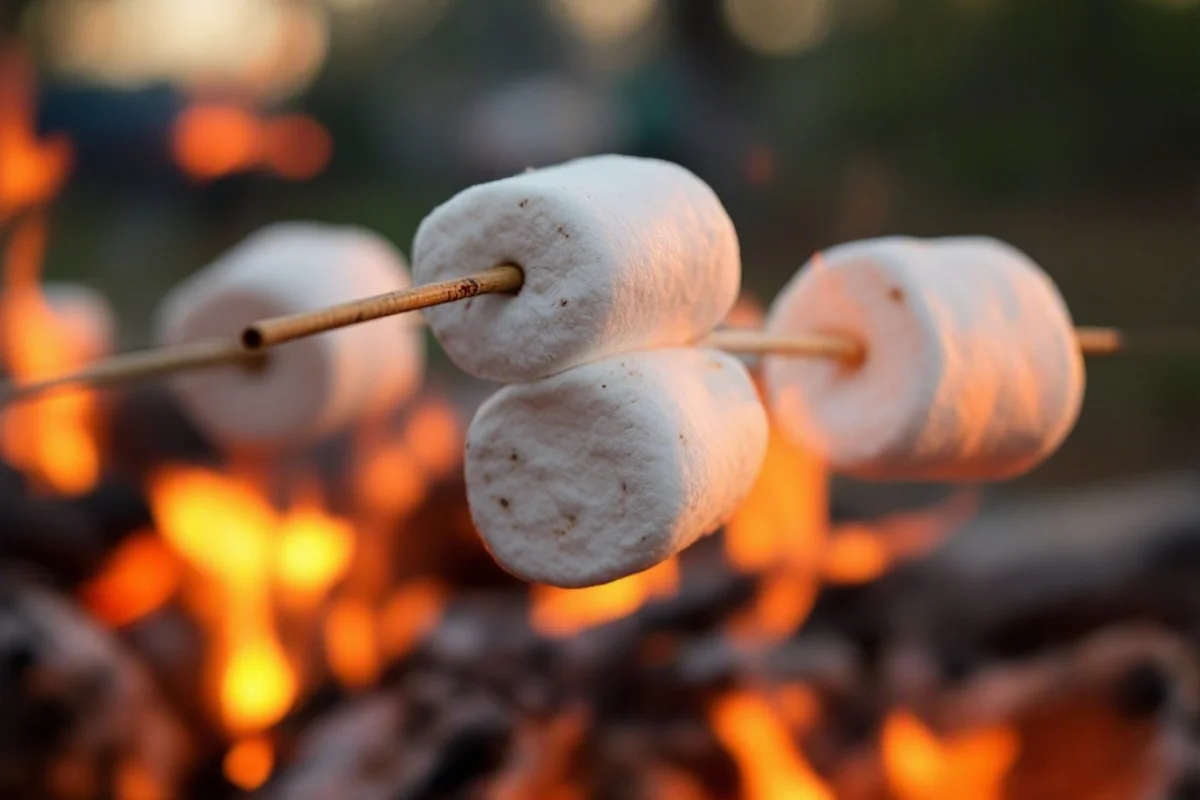
Once the fire is stable, it’s time for the fun part: roasting marshmallows. This is where the real hands-on learning happens. We use extendable roasting sticks like these Telescoping Marshmallow Roasters to keep little hands safe from the flames. Teach them to rotate their marshmallows slowly for an even roast and to avoid sticking them directly into the fire.
Fire Safety Drills
Practice makes perfect. We run occasional fire safety drills where the kids practice extinguishing a fire with water or a shovel. It’s a great way to reinforce the importance of being prepared.
Frequently Asked Questions
What age is appropriate for teaching fire skills?
Start introducing fire safety concepts as young as five, focusing on rules and observation. Hands-on activities like collecting kindling can begin around age seven, with close supervision. By age ten, many kids are ready for supervised fire-building and lighting.
How do I keep my kids engaged while teaching fire safety?
Make it interactive and fun. Turn collecting kindling into a scavenger hunt or challenge them to create the perfect marshmallow roast. Reward their efforts with a treat or a story around the fire.
What gear should I have for safe family campfires?
Invest in a sturdy fire pit, extendable roasting sticks, and a reliable fire starter kit. Keep a bucket of water and a shovel nearby for safety. For added convenience, consider a Portable Fire Pit for backyard or camping use.
How do I handle fire-related accidents?
Stay calm and act quickly. For burns, cool the area with water and apply a burn ointment. For larger fires, use your safety equipment and call for help if needed. Always have a first aid kit on hand.
Can fire safety lessons be part of other outdoor activities?
Absolutely! Combine fire safety with camping, hiking, or backyard adventures. It’s a natural fit with outdoor skills like cooking, navigation, and shelter building.
What to Read Next

Written by Nick Reef
Nick is the Pacific Northwest dad behind OpsHQ Go — software engineer by day, parent of three by night. Everything here is tested first-hand by our family of five (plus three labs and an orange cat): recipes cooked in our kitchen, trails hiked on real weekends, games played at our table.
More about Nick & the family →Found this helpful? Share it!
Get More Shortcuts
Weekly tips, hacks, and adventures delivered to your inbox.
You Might Also Like
Family Gear Swap: Organize and Upgrade Outdoor Essentials Without Chaos
8 min read
👨👩👦 Family Experiences25 Indoor Activities for Rainy Days (For Kids and Adults)
8 min read
👨👩👦 Family ExperiencesThe Summer Car Command Center: Hacks to Keep Your Family Outings Running Smoothly
8 min read