
The Backyard Shed Showdown: Prefab Kits vs. DIY Solutions for Family Storage
Compare prefab shed kits and DIY builds for backyard storage, with insights on costs, time, and practicality for Pacific Northwest families.
▶ Watch the 30s recap — or browse all reels
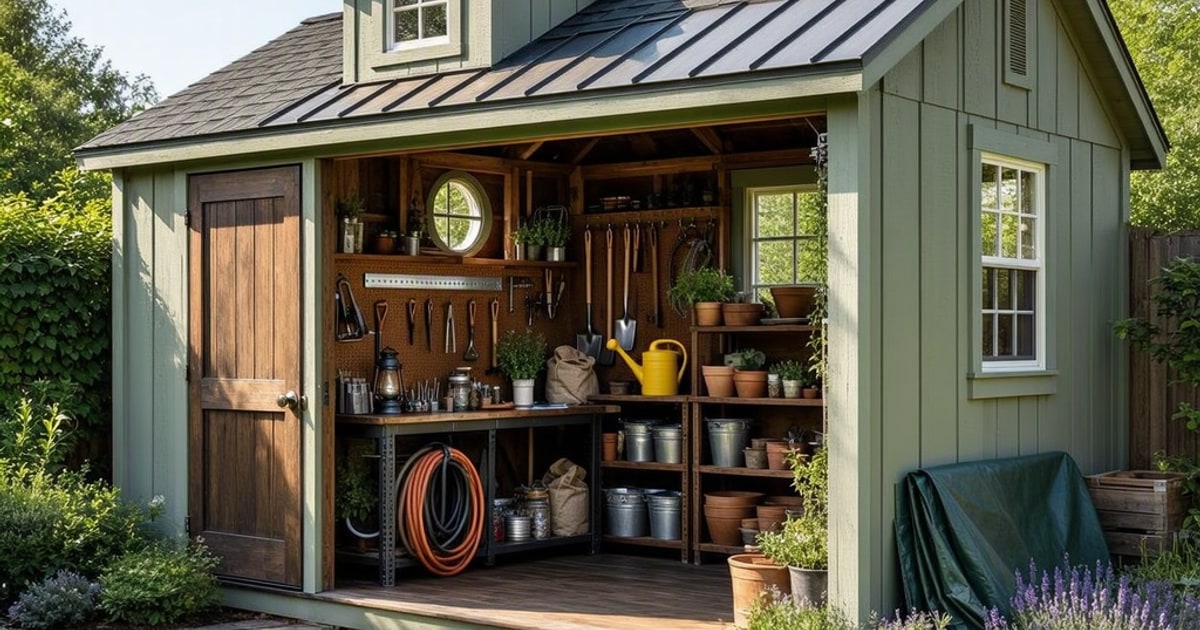
When your gear, tools, and seasonal decorations are slowly taking over the garage, it’s time to consider a backyard shed. But should you go for a prefab kit or roll up your sleeves and build it yourself? Here’s an honest, dad-tested breakdown to help your family make the right call before the rain sets in.
The Case for Prefab Shed Kits
Pros of Prefab Shed Kits
Prefab shed kits are designed for convenience. They come with pre-cut materials, detailed instructions, and all the hardware you need to assemble them. For busy families, this can be a lifesaver. When I built our first shed, I opted for the Keter Manor Resin Outdoor Storage Shed, and the process was surprisingly straightforward. The panels snapped together easily, and the instructions were clear enough that even my youngest daughter could help.
Another advantage is time. Building a shed from scratch can take weeks, especially if you’re balancing work, kids, and the occasional Seattle Seahawks game. A prefab shed, on the other hand, can often be assembled in a weekend. This is crucial during the fall when the weather can turn on a dime.
Finally, prefab sheds are often designed to be weather-resistant. Given our Pacific Northwest climate, with its relentless rain, this is a big deal. Many prefab options, like the Rubbermaid Resin Weather Resistant Outdoor Storage Shed, are made from materials that won’t warp, rot, or require regular maintenance.
Cons of Prefab Shed Kits
That said, prefab sheds aren’t perfect. While they’re convenient, they can be more expensive than building a shed from scratch. You’re paying for the convenience of having everything pre-cut and ready to go.
Additionally, prefab sheds can be limited in design and size. If you have specific storage needs or want something that matches the style of your home, a prefab kit might not be the best fit. For instance, I found myself wishing for just a bit more space and a different design after assembling our prefab shed.
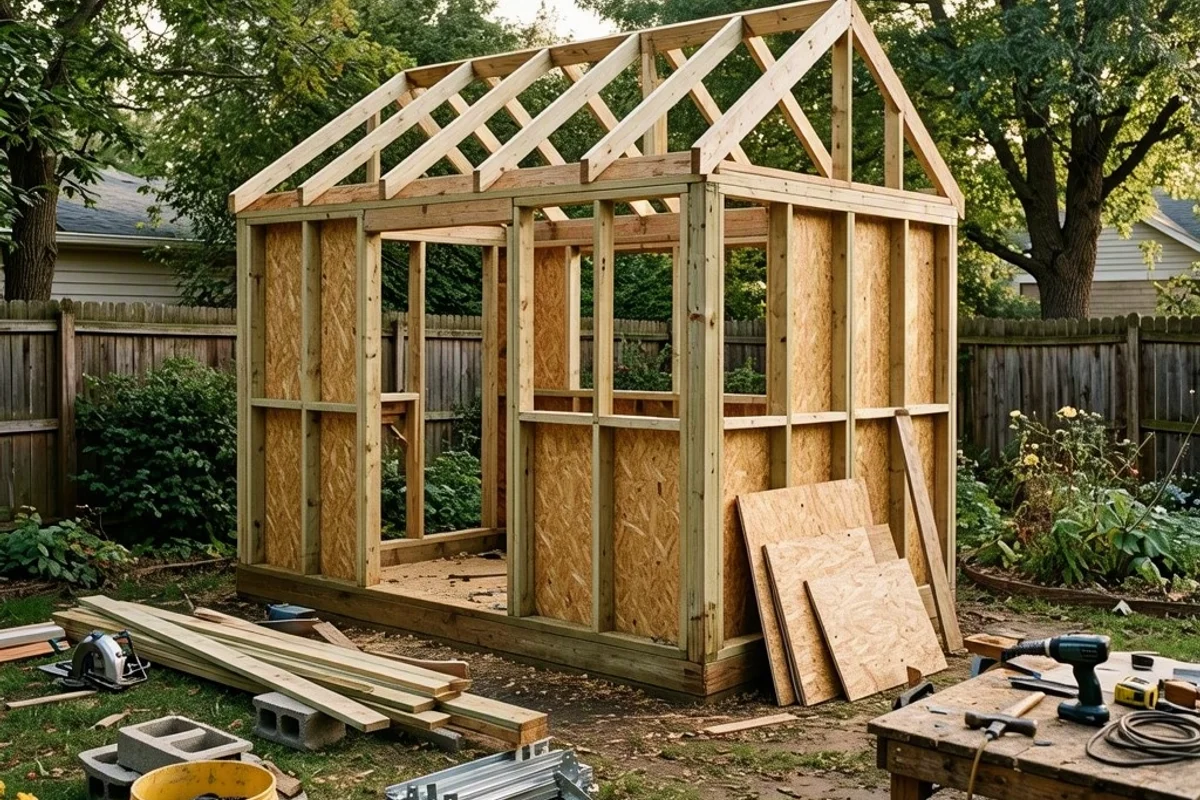
The Case for DIY Shed Solutions
Pros of DIY Shed Builds
Building your own shed allows for complete customization. You can design it to fit your exact needs, whether that’s extra space for gardening tools, a small workshop, or a cozy hideaway for the kids. When I built a DIY shed with my daughters, we had a blast designing it together and picking out the colors and materials.
Another benefit is cost. If you’re willing to put in the time and effort, a DIY shed can be significantly cheaper than a prefab kit. By sourcing materials from local suppliers and using tools you already own, you can save a lot of money. For example, I used a DEWALT 20V MAX Cordless Drill Combo Kit that I already had in my garage, which was a huge help.
Cons of DIY Shed Builds
However, DIY sheds are not without challenges. They require a significant time investment, which can be tough to manage with a busy family schedule. Plus, if you’re not experienced with construction, there’s a steeper learning curve. I remember spending hours watching YouTube tutorials and making multiple trips to the hardware store.
There’s also the potential for mistakes. If you mismeasure or use the wrong materials, it can lead to structural issues down the line. And let’s not forget the Pacific Northwest weather – trying to build a shed in the rain is not fun.
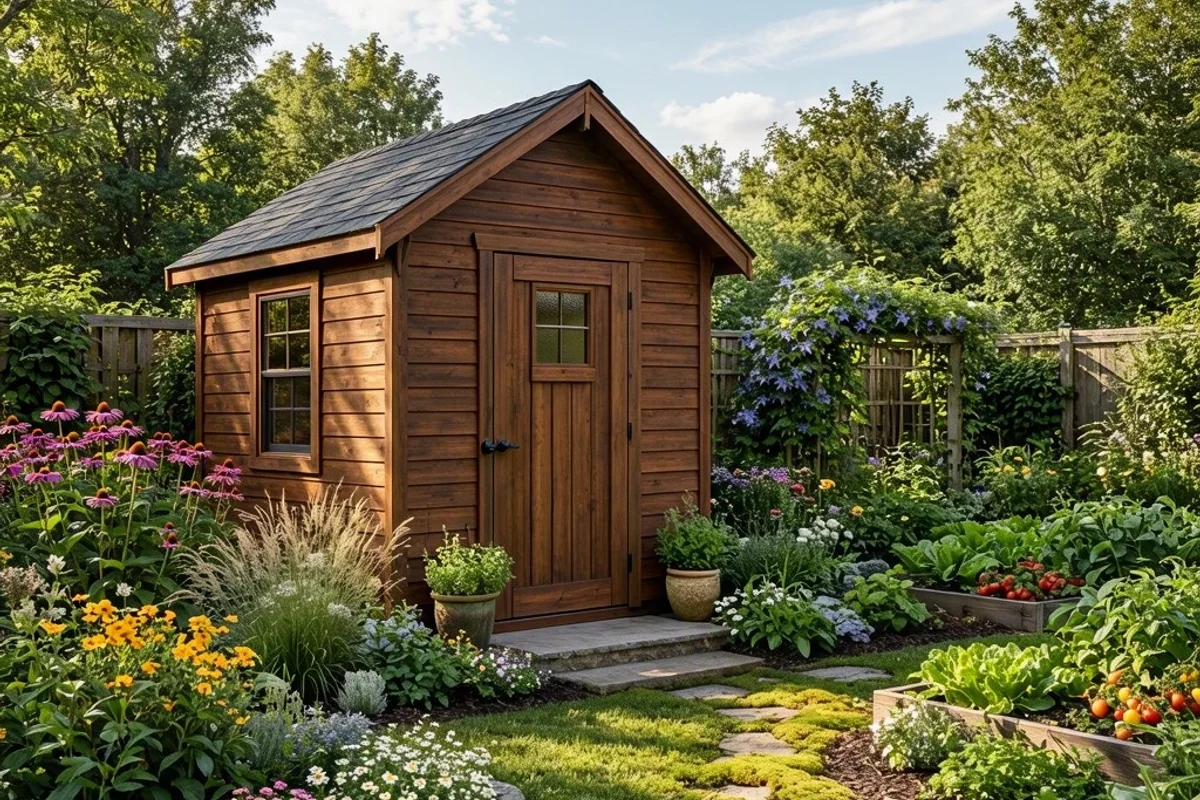
Key Considerations
When deciding between a prefab kit and a DIY build, consider the following:
- Budget: How much are you willing to spend? Prefab kits can be more expensive upfront, but they save time and effort.
- Time: Do you have the time to dedicate to a DIY project? If not, a prefab kit might be the better option.
- Skills: Are you comfortable with tools and construction? If not, a prefab kit will be much easier to manage.
- Customization: Do you have specific needs or aesthetic preferences? If so, a DIY shed might be worth the extra effort.
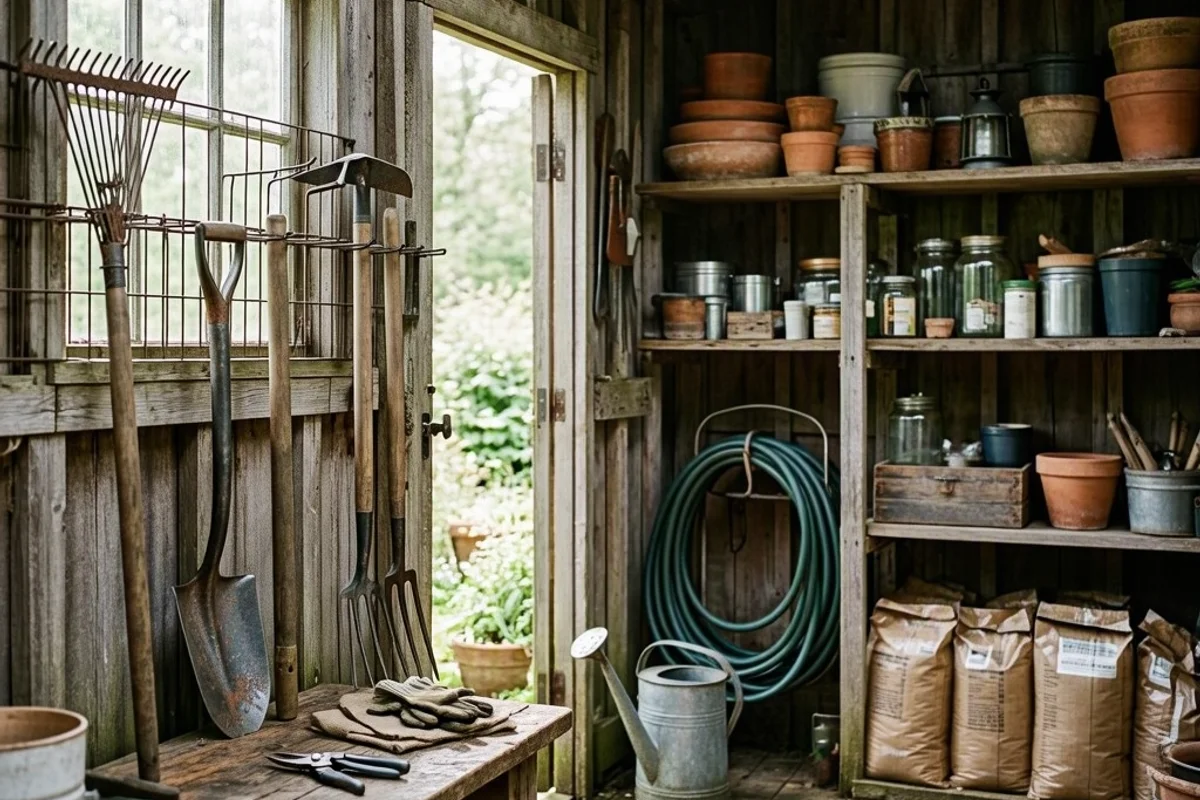
For my family, we started with a prefab shed for immediate storage needs and later built a DIY shed when we had more time and experience. The prefab shed was perfect for storing bikes, gardening tools, and seasonal decorations, while the DIY shed became a workshop and play area for the kids.
Frequently Asked Questions
Are prefab sheds durable enough for the Pacific Northwest weather?
Yes, many prefab sheds are designed to withstand harsh weather conditions, including heavy rain and wind. Look for options made from durable materials like resin or treated wood. The Suncast Tremont Storage Shed is a great example of a weather-resistant prefab shed that’s perfect for our rainy climate.
How much does it cost to build a DIY shed?
The cost of building a DIY shed can vary widely depending on the size, materials, and tools you use. On average, you can expect to spend anywhere from $500 to $3,000. To keep costs down, consider using reclaimed materials and tools you already own. A good circular saw, like the Makita 18V LXT Lithium-Ion Cordless Circular Saw, can be a great investment for this and future projects.
Can I customize a prefab shed?
While prefab sheds come with set designs, many can be customized to some extent. You can often choose from different sizes, colors, and add-on features like windows or shelving. However, if you have very specific needs, a DIY shed might be a better option.
What to Read Next

Written by Nick Reef
Nick is the Pacific Northwest dad behind OpsHQ Go — software engineer by day, parent of three by night. Everything here is tested first-hand by our family of five (plus three labs and an orange cat): recipes cooked in our kitchen, trails hiked on real weekends, games played at our table.
More about Nick & the family →Found this helpful? Share it!
Get More Shortcuts
Weekly tips, hacks, and adventures delivered to your inbox.