
Solstice Stargazing: Turning the Shortest Night Into a Family Memory
Make the most of the shortest night with family stargazing tips, gear, and science fun.
▶ Watch the 30s recap — or browse all reels

Introduction
Summer solstice isn’t just about the longest day—it’s also the shortest night, making it a perfect excuse for family-friendly stargazing. In the Pacific Northwest, where summer nights often bring clear skies, this fleeting evening can become a cherished tradition. With a little planning, the right gear, and some easy science thrown in, you can turn solstice stargazing into a memory your family will treasure year after year.
Why Stargazing on Solstice is Special
The summer solstice marks the official start of summer and boasts the longest daylight hours. While this means the night is brief, it also offers a unique opportunity to enjoy the stars without staying up too late. For families with young kids, this is a win. Plus, the solstice often aligns with warm evenings, making it a great time to enjoy the outdoors without bundling up. In the Pacific Northwest, the combination of mild weather and stunning natural backdrops like mountains, forests, and open fields adds to the magic.
Planning Your Solstice Stargazing Adventure
Picking the Perfect Spot
Here in the PNW, we’re spoiled for choice when it comes to stargazing locations. Whether you’re heading to a local park, a nearby mountain, or even your own backyard, the key is finding a spot away from city lights. Light pollution can make it hard to see stars, so aim for areas with minimal artificial lighting. If you’re unsure where to go, apps like SkySafari can help you locate ideal stargazing spots near you.
Gear to Bring Along
To make the most of your night under the stars, pack smart. Here’s my tried-and-true list:
- Blankets or Sleeping Bags: Even summer nights can get chilly, especially in open spaces. A cozy Coleman Sleeping Bag is perfect for keeping everyone warm.
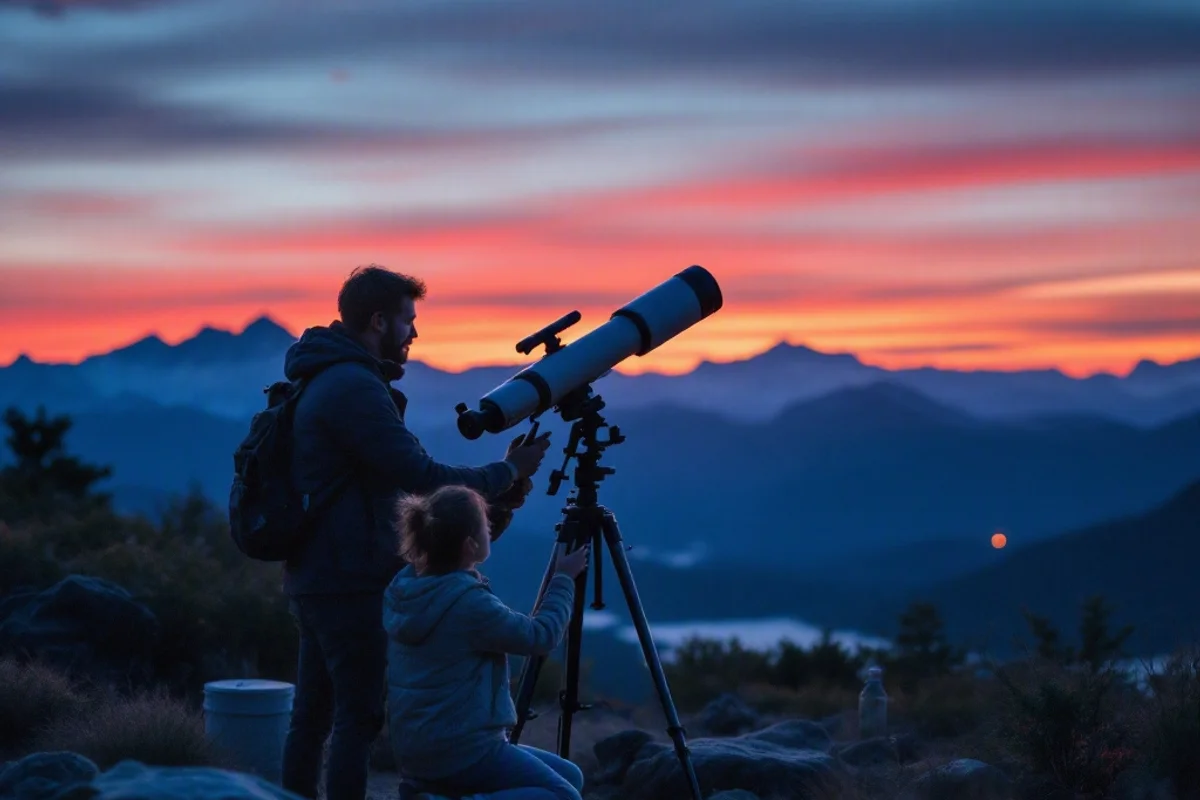
- Telescope or Binoculars: While the naked eye can see plenty, a good telescope like the Celestron AstroMaster opens up a world of detail.
- Snacks and Drinks: Keep the kids happy with easy-to-grab snacks and warm drinks in a thermos.
- Bug Spray: Trust me, forgetting this can turn an enchanting evening into a scratchy nightmare.
Timing and Logistics
Since the solstice night is short, timing is everything. Aim to arrive at your chosen spot about an hour before sunset to set up and enjoy the twilight. For families with younger kids, consider adjusting bedtime routines to make the evening feel special without causing chaos the next day. A pre-packed bag with pajamas and toothbrushes can make the transition from stargazing to sleep smoother.
Adding a Touch of Science
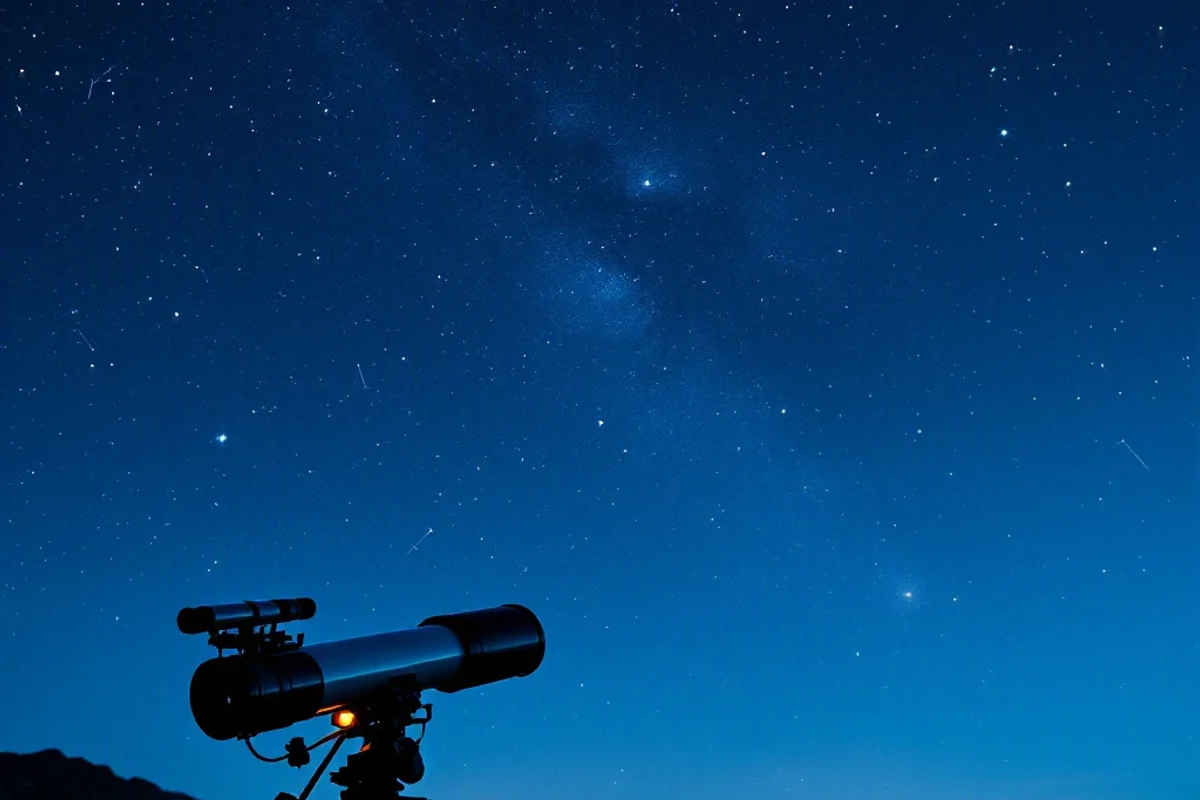
Stargazing is a wonderful opportunity to introduce kids to astronomy without making it feel like school. Start with constellations—they’re easy to spot and have fun stories behind them. Apps like Star Walk 2 can help you identify stars and planets in real time.
You can also talk about the science behind the solstice. Explain how the tilt of Earth’s axis leads to longer days in summer and shorter nights. If you have older kids, dive into topics like the Earth’s orbit and how it affects seasons. For younger ones, keep it simple with fun facts and visuals.
Making It Memorable
Capture the Moment
Bring along a camera or smartphone to snap photos of your adventure. While capturing stars can be tricky without specialized equipment, you can focus on candid shots of your family enjoying the evening. A portable tripod like the Joby GorillaPod is handy for steady shots.
Create a Family Tradition
Turn solstice stargazing into an annual event. You can make it special by adding little rituals, like a family toast to the new season or a shared wish under the stars. Over time, these small traditions can become cherished memories.
Reflect and Connect
After the stargazing session, spend a few minutes talking about what everyone saw and learned. This reflection not only cements the experience but also fosters curiosity and connection within your family.
Frequently Asked Questions
What time should we start stargazing on the solstice?
Aim to arrive at your stargazing location about an hour before sunset. This gives you time to set up and enjoy the transition from twilight to night. The actual timing will depend on your location, so check local sunset times and plan accordingly.
How can I keep younger kids engaged during stargazing?
Make it interactive! Point out constellations, share fun facts, and let them use apps to locate stars. Bringing snacks and blankets also helps keep them comfortable and entertained.
What’s the best way to photograph stars?
Capturing stars requires a camera with manual settings and a tripod. Use a long exposure to capture more light. If you’re using a smartphone, apps designed for night photography can help.
What to Read Next

Written by Nick Reef
Nick is the Pacific Northwest dad behind OpsHQ Go — software engineer by day, parent of three by night. Everything here is tested first-hand by our family of five (plus three labs and an orange cat): recipes cooked in our kitchen, trails hiked on real weekends, games played at our table.
More about Nick & the family →Found this helpful? Share it!
Get More Shortcuts
Weekly tips, hacks, and adventures delivered to your inbox.
You Might Also Like
PNW Ferry Day-Trips Ranked: 5 Routes by Views, Coffee, and Total Cost
10 min read
👨👩👦 Family ExperiencesThe Forgotten Frisbee Adventure: Rediscovering Low-Tech Family Fun in the Park
8 min read
👨👩👦 Family ExperiencesThe Summer Car Command Center: Hacks to Keep Your Family Outings Running Smoothly
8 min read