
Rainy Day Dice Games: Keeping Cabin Fever at Bay Without Breaking the Bank
Explore simple and fun dice games to keep your family entertained on rainy days without spending a fortune.
▶ Watch the 30s recap — or browse all reels
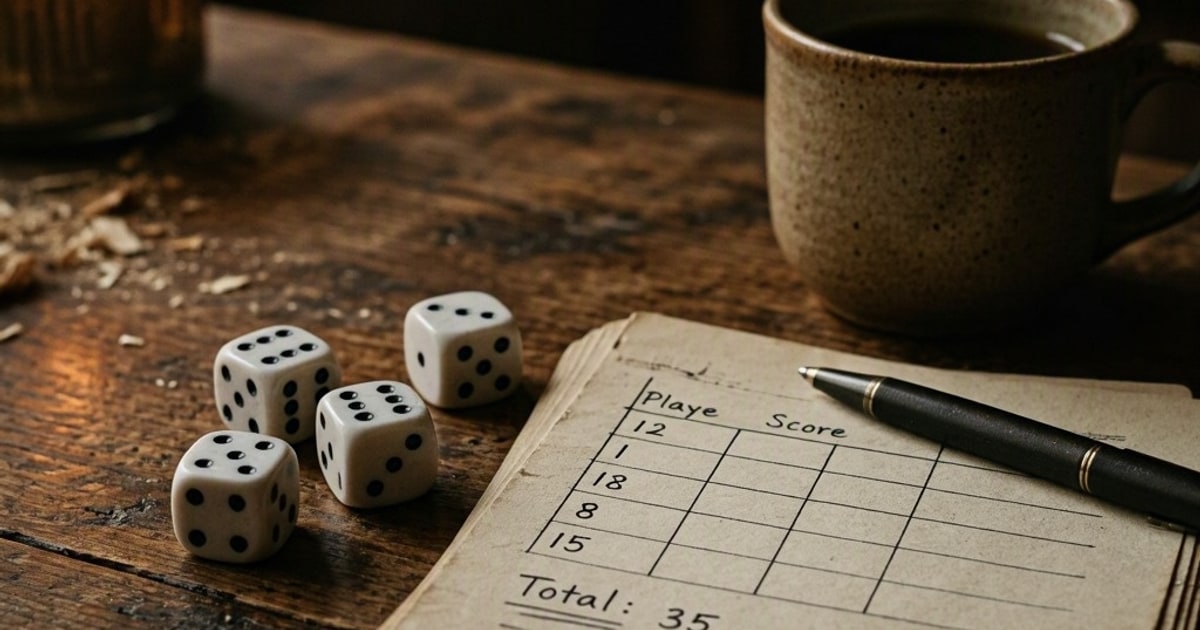
When the rain traps your family indoors, dice games can be a lifesaver. They’re cheap, portable, and surprisingly engaging for kids and adults alike. Here’s how to turn a boring afternoon into a lively one with just a handful of dice and some simple rules. Living in the Pacific Northwest, I’ve learned that having a stash of rainy-day activities is a must, especially when you’ve got three daughters and a trio of energetic labs to keep entertained.
Why Dice Games Are Perfect for Rainy Days
Dice games are the unsung heroes of family game time. They’re compact, easy to learn, and versatile enough to entertain everyone from toddlers to grandparents. Unlike board games, which often have a lot of pieces and rules, dice games usually require minimal setup and can easily be adapted to fit the age and skill level of the players. Plus, they’re incredibly affordable — all you need is a set of dice, some paper, and a pencil.
The Basics: What You’ll Need
Before diving into the games, make sure you have the essentials:
- Dice: A simple set of six-sided dice works for most games. If you’re looking for a quality set, check out these Chessex Dice Sets. They’re durable and come in fun colors that kids love.
- Scorecards: These can be as simple as a notebook and pen or as fancy as pre-printed score sheets.
- A flat surface: A table or even a sturdy floor will do. Just make sure the dice won’t roll away into the abyss (or under the couch where the dog might find them).

Fun Dice Games for All Ages
Here are some of our family’s favorite dice games. They’re easy to learn, quick to play, and guaranteed to bring some laughter to a rainy afternoon.
1. Pig
This classic dice game is a hit with kids and adults alike. The goal is to be the first player to reach 100 points.
How to Play:
- Players take turns rolling a single die as many times as they like, adding up the numbers rolled.
- If a player rolls a 1, their turn ends, and they lose all points earned during that turn.
- If they choose to stop rolling before rolling a 1, they add their points to their total score.
This game is great for teaching kids about risk versus reward and basic addition. It’s also a good way to sneak in some math practice without them realizing it.
2. Farkle
Farkle is a step up from Pig and involves a bit more strategy.
What You Need: Six dice and a score sheet.
How to Play:
- Players take turns rolling all six dice.
- Points are scored for specific combinations (e.g., three of a kind, a straight, etc.).
- Players can choose to keep scoring dice and re-roll the rest or end their turn to bank their points.
- If a roll results in no points, the player “farkles” and loses all points for that turn.
For a complete set with instructions and scorecards, check out this Farkle Dice Game Set.
3. Tenzi
This fast-paced game is perfect for families who love quick, energetic rounds.
What You Need: Each player needs ten dice.
How to Play:
- Players roll their dice simultaneously, trying to get all ten to show the same number.
- After each roll, players set aside the dice showing their chosen number and re-roll the rest.
- The first player to get all ten dice to match shouts “Tenzi!” and wins the round.
You can grab a Tenzi Dice Game set that includes additional game variations for endless fun.
4. Beat That!
This competitive game is all about rolling the highest number.
How to Play:
- Each player rolls two dice and adds the numbers together.
- The player with the highest total wins the round.
- For a twist, you can add rules, such as subtracting the smaller number from the larger or multiplying the two numbers together.
This game is simple to set up and quick to play, making it a great choice for younger kids or a short break during a busy day.
5. Knockout
This game is ideal for larger groups and can get quite competitive.
How to Play:
- Players take turns rolling two dice.
- Before starting, choose a “knockout” number (e.g., 6).
- If a player rolls the knockout number, they are out for that round.
- The last player standing wins.
This game is great for teaching younger kids about probability and decision-making.
Tips for Hosting a Dice Game Night
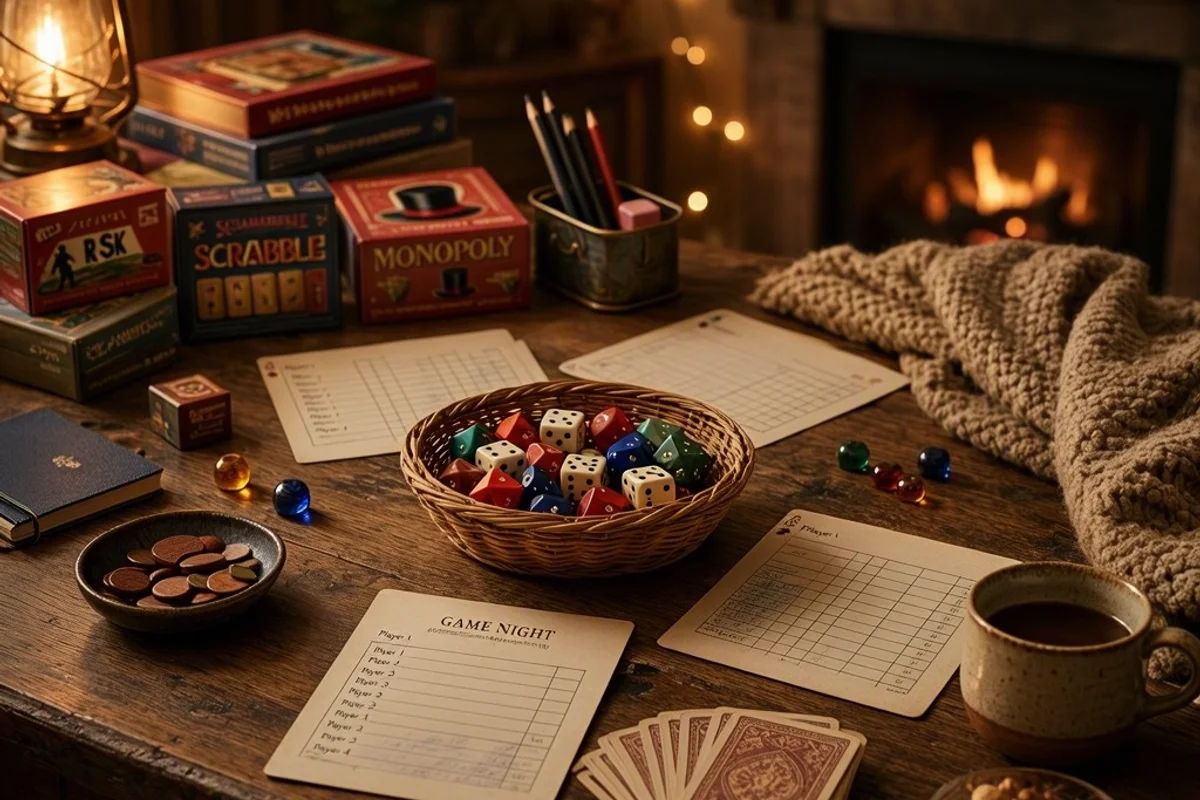
- Set the Mood: Light a few candles, play soft background music, and serve some snacks or hot cocoa to make the atmosphere cozy and inviting.
- Create a Prize System: Small rewards, like stickers or extra screen time, can make the games even more exciting for kids.
- Encourage Friendly Competition: Remind everyone that the goal is to have fun, not just to win.
Frequently Asked Questions
What if we don’t have any dice at home?
No worries! You can easily find affordable dice online. For example, this Pack of 100 Dice is perfect for stocking up and ensures you’ll never run out. Plus, you can use them for math games, crafts, and more.
Are these games suitable for very young children?
Absolutely! Many of these games can be adapted for younger players. For instance, in Pig, you can let younger kids roll until they reach a set number, such as 20 points, to keep them engaged without overwhelming them. Games like Tenzi are great for improving fine motor skills and number recognition in a fun way.
How can I keep the dice from rolling all over the place?
Use a dice tray or a shallow box to keep the dice contained. If you don’t have a dice tray, a sturdy shoebox lid works just as well. Alternatively, you can purchase a Felt Lined Dice Tray for a more polished look and quieter rolls.
What to Read Next

Written by Nick Reef
Nick is the Pacific Northwest dad behind OpsHQ Go — software engineer by day, parent of three by night. Everything here is tested first-hand by our family of five (plus three labs and an orange cat): recipes cooked in our kitchen, trails hiked on real weekends, games played at our table.
More about Nick & the family →Found this helpful? Share it!
Get More Shortcuts
Weekly tips, hacks, and adventures delivered to your inbox.