
How to Turn Your Mudroom into a Homework Haven Without Losing Your Sanity
Transform your mudroom into a homework-friendly zone with these practical tips for a functional and cozy family space.
▶ Watch the 30s recap — or browse all reels
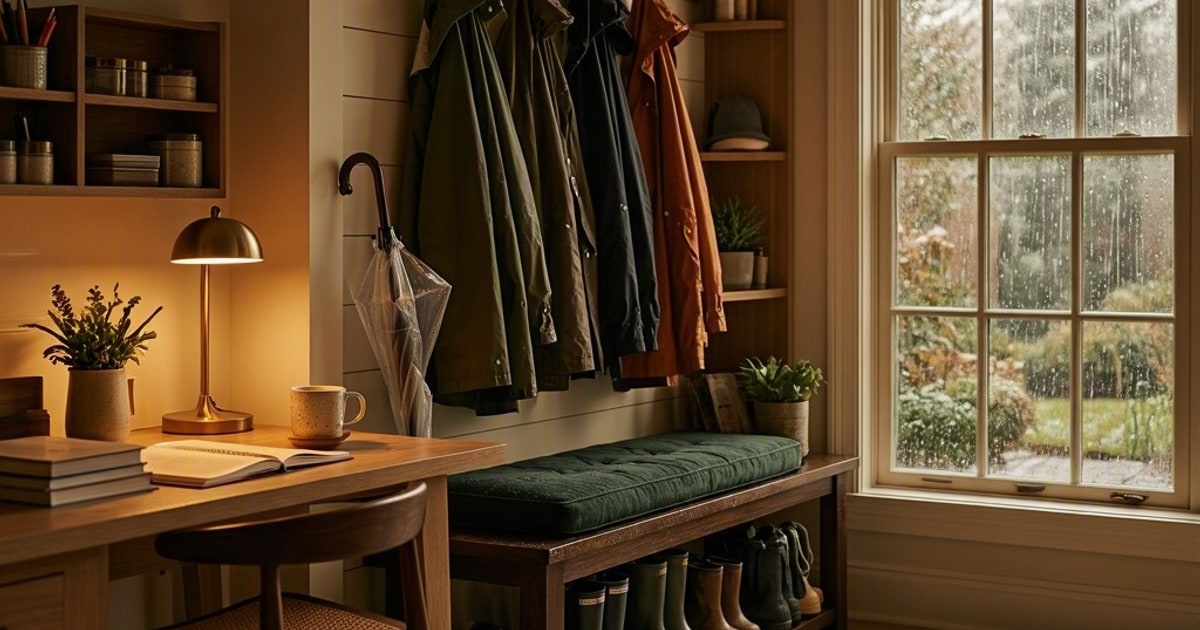
When you’ve got three kids, two labs, and a cat who thinks every chair is his throne, the chaos of a busy home can get out of hand—especially during the school year. With the Pacific Northwest’s early sunsets and rainy fall evenings, the mudroom becomes the last bastion of sanity. It’s where backpacks pile up, wet boots gather, and jackets multiply like rabbits. But what if this space could also serve as a functional, cozy homework haven? Here’s how we turned our mudroom into a dual-purpose powerhouse without losing our minds.
Step 1: Declutter and Define the Space
The first step is creating a clean slate. Take everything out of the mudroom and assess what’s essential. For us, that meant keeping the boot racks, the coat hooks, and a storage bench for gloves, hats, and scarves. Everything else—random sports gear, old mail, and the occasional dog toy—got sorted into keep, donate, and toss piles.
Once the clutter was cleared, we defined zones within the mudroom. One side became the drop zone for shoes and outerwear, while the other side was earmarked for the homework station. We added a small desk, a comfy chair, and a sturdy lamp to create a workspace that was inviting and functional.
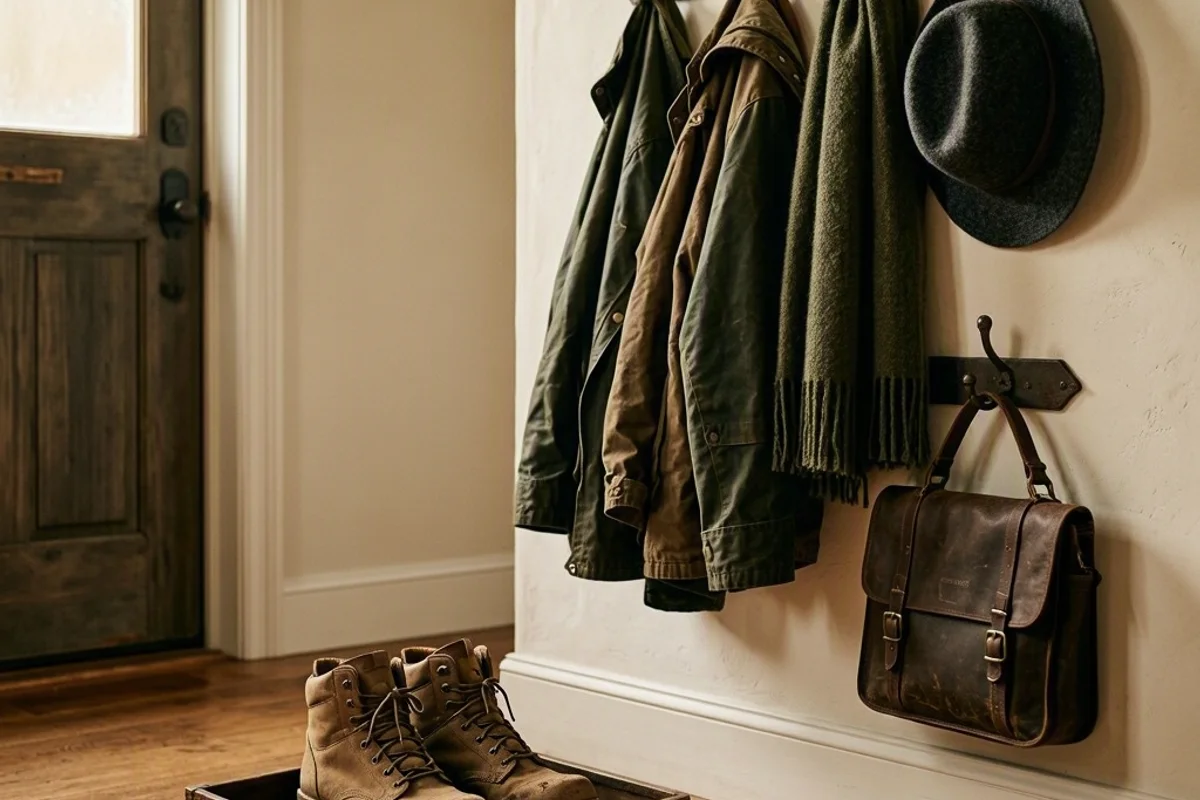
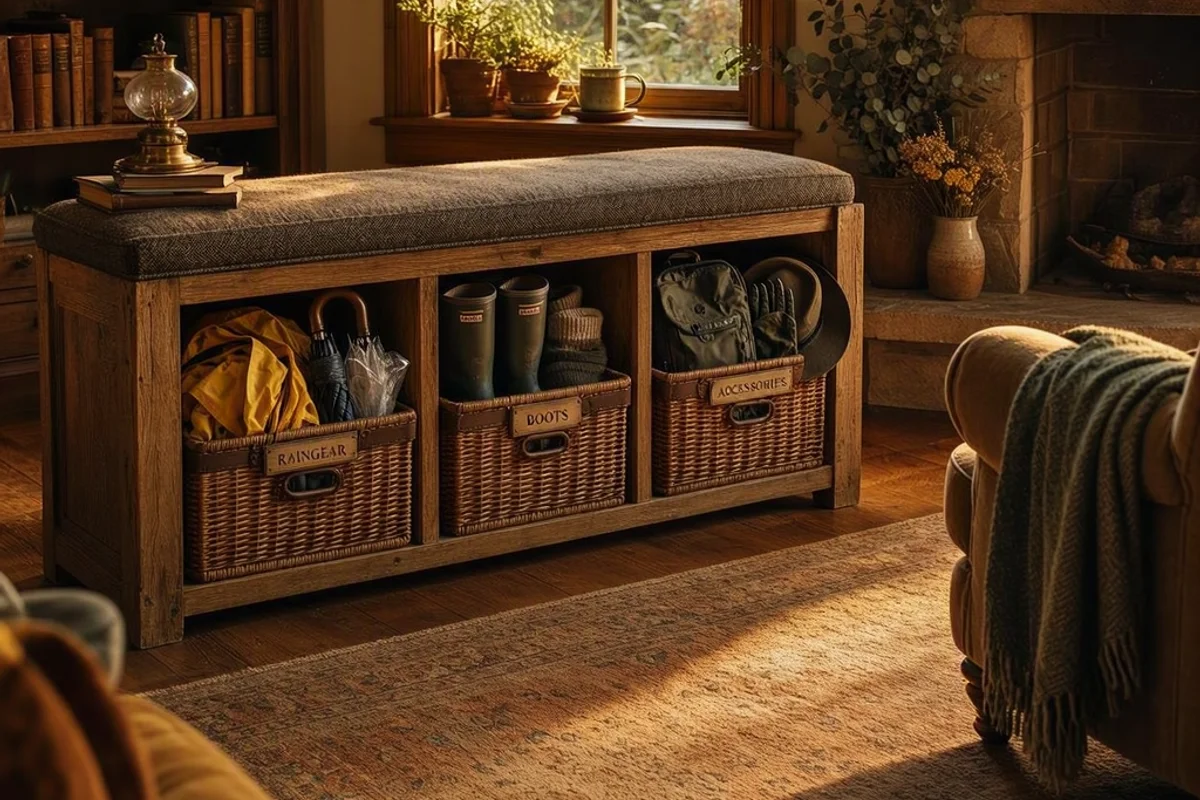
For storage, we used labeled bins to keep school supplies organized. A set of stackable storage bins was a game-changer for keeping everything from markers to notebooks in its place.
Step 2: Lighting and Comfort
The Pacific Northwest is known for its gray skies, especially in fall and winter. Good lighting is crucial for a homework space. We chose a dimmable LED desk lamp that provides bright light for focused work but can also be adjusted for softer, ambient lighting during family game nights.
Comfort is just as important as functionality. We added a cushioned chair with good back support. For a touch of coziness, a small area rug under the desk helped define the space and made it more inviting. A plush area rug can add warmth and style to your mudroom.
Step 3: Personalization and Practicality
To make the space feel welcoming, we let the kids personalize their homework area. Each child chose a small corkboard for their assignments and artwork. We also added a family calendar to keep track of school projects, sports practices, and other activities.
Practicality was key. We installed a power strip with USB ports for charging devices and made sure there was a spot for everything. Hooks for headphones, a cup for pencils, and even a small desktop organizer for papers made the space functional and tidy.
Step 4: Add a Touch of Greenery
Plants can do wonders for a space, even a mudroom. We added a couple of low-maintenance plants like pothos and snake plants. Not only do they improve air quality, but they also make the space feel more alive and less utilitarian. Plus, they’re pretty hard to kill, which is essential in a busy household.
Step 5: Create a System That Works for Your Family
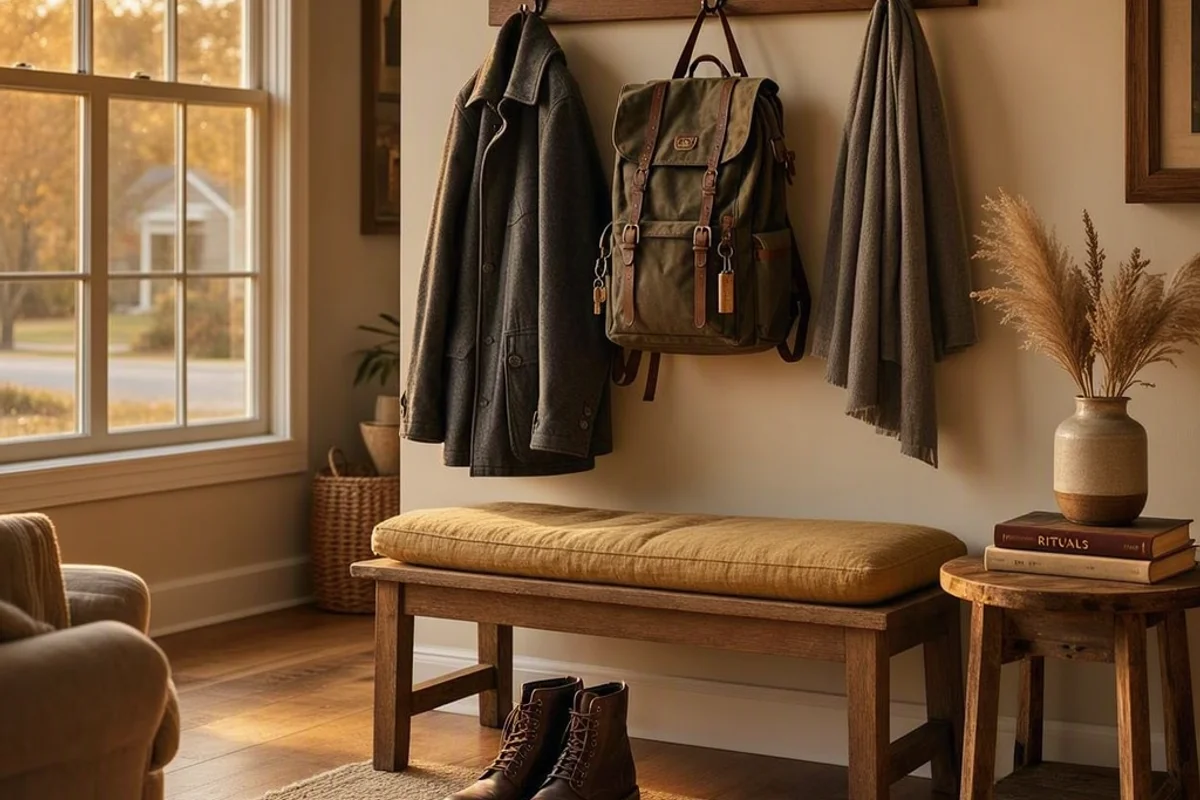
The secret to maintaining a functional mudroom and homework haven is having a system that everyone can follow. We established a few simple rules: backpacks go on the hooks, shoes in the rack, and completed homework in the designated bin. It took a few weeks of reminders, but now it’s second nature.
Frequently Asked Questions
How do I keep the mudroom organized with multiple kids?
Consistency is key. Assign each child their own hook and bin, and label them clearly. Make it a habit to check the mudroom every evening to ensure everything is in its place. A quick five-minute tidy-up can prevent chaos from building up.
What’s the best way to make a small mudroom functional?
Maximize vertical space with wall hooks and shelves. Use stackable bins to make the most of limited floor space. A foldable desk or wall-mounted drop-leaf table can provide a homework surface without taking up too much room.
How can I make the homework area more appealing for kids?
Let your kids have a say in how the space looks. Allow them to pick out their own supplies, like a fun desk lamp or colorful organizers. Adding elements like a small whiteboard or corkboard can also make the space more engaging and functional.
What to Read Next

Written by Nick Reef
Nick is the Pacific Northwest dad behind OpsHQ Go — software engineer by day, parent of three by night. Everything here is tested first-hand by our family of five (plus three labs and an orange cat): recipes cooked in our kitchen, trails hiked on real weekends, games played at our table.
More about Nick & the family →Found this helpful? Share it!
Get More Shortcuts
Weekly tips, hacks, and adventures delivered to your inbox.