
How to Navigate Trail Etiquette with Kids Without Turning Every Hike into a Lecture
Practical tips for teaching kids trail etiquette while keeping hikes fun and stress-free.
▶ Watch the 30s recap — or browse all reels
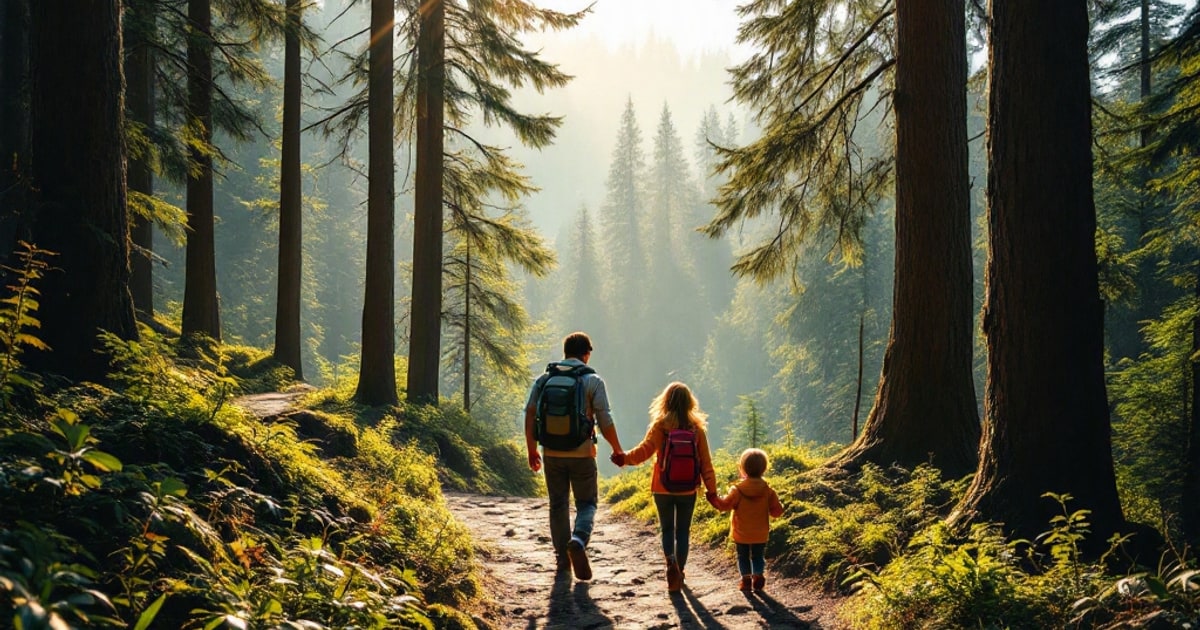
Teaching kids trail etiquette can feel like herding cats, but it’s essential for sharing outdoor spaces responsibly. The trick is balancing fun with a few key lessons that stick. Here’s how to make it happen without killing the vibe.
Why Trail Etiquette Matters
When we head out on a hike, it’s not just about the views or getting the kids to burn off some energy (though that’s a big part). It’s also about sharing the space with others and respecting nature. From crowded trailheads to narrow switchbacks, good etiquette keeps everyone safe and preserves the experience for all.
Start with the Basics
Before you hit the trail, have a quick chat about the basics. Keep it light and age-appropriate. For younger kids, it might be as simple as “stay on the path” or “don’t pick flowers.” For older ones, explain why we yield to uphill hikers or step aside for faster groups. A quick reminder goes a long way.
Lead by Example
Kids learn by watching, and let’s face it, they’re always watching. If you step off the trail to let someone pass or pick up a stray wrapper, they’ll notice. Modeling good behavior is one of the easiest ways to teach without a lecture.
Pack the Right Gear
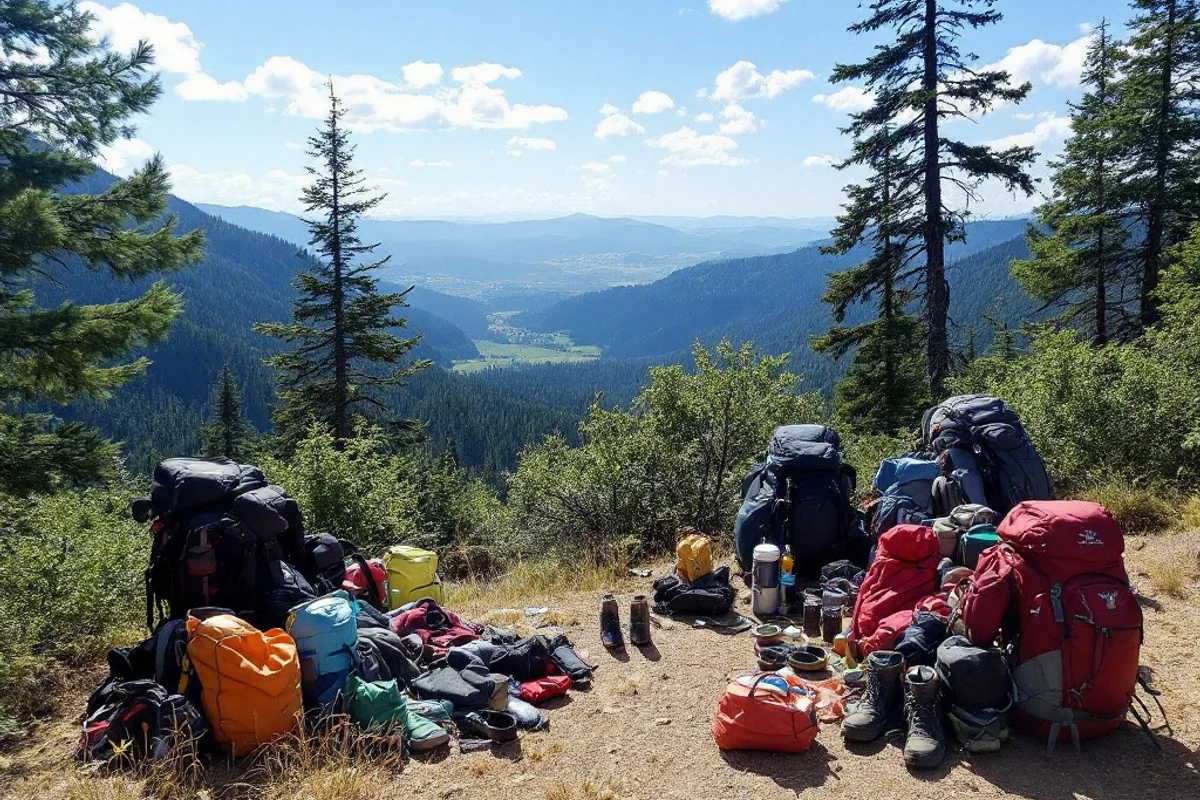
Having the right gear can make a big difference in how smoothly your outing goes. For example, a good pair of kids’ hiking boots can help prevent slips and keep them comfortable. Check out these Columbia Youth Hiking Boots—durable, waterproof, and perfect for Pacific Northwest trails.
Keep It Fun
No one wants to feel like they’re in school while out in the woods. Turn etiquette into a game: who can spot the most trail markers, or who remembers to step aside for an oncoming hiker? Small rewards for good behavior, like a snack break or choosing the next trail, can work wonders.
Handling Common Trail Scenarios
Even with the best planning, you’ll encounter situations that test your patience—and your kids’ understanding of trail etiquette. Here’s how to handle them gracefully.
Off-Leash Dogs
Not every dog owner follows leash rules, and that can be tricky with little ones. Teach your kids to stand still and let the dog pass. If the dog approaches, stay calm and use a firm voice to say, “Go on.” Carrying a Dog Repellent Spray can add peace of mind, especially on more remote trails.
Crowded Trails
On busy trails, teach kids to walk single file and stay aware of others. If you need to stop, step off to the side to allow others to pass. This is especially important on narrow paths or switchbacks.
Leave No Trace
This one’s huge. Explain to your kids why it’s important to pack out all trash and avoid disturbing wildlife. A small Portable Trash Bag is a handy addition to your hiking kit and makes cleanup easy.
Keeping It Age-Appropriate
Toddlers and Preschoolers
At this age, it’s all about keeping it simple. Focus on one or two rules, like staying close to you and not picking plants. Make it fun by turning it into a story: “The flowers are sleeping, so we don’t wake them.”
School-Age Kids
This is a great age to introduce more concepts, like yielding to uphill hikers or respecting wildlife. Encourage them to take ownership by leading a short section of the trail or being responsible for a piece of gear.
Teens
Older kids can handle more responsibility and even help teach younger siblings. Use this as a chance to discuss the “why” behind the rules. For example, talk about how staying on the trail prevents erosion or protects fragile ecosystems.
Frequently Asked Questions
How can I make trail etiquette fun for my kids?
Gamify it! Create a scavenger hunt for trail markers or a points system for spotting good etiquette practices. Rewards, like choosing the next trail or a special treat, can also motivate them.
What’s the best way to handle other hikers who aren’t following etiquette?
Stay calm and polite. Lead by example, and if needed, gently remind others of the rules. For instance, “Excuse me, could you please leash your dog? It’s for everyone’s safety.”
How do I teach kids about wildlife safety?
Explain the importance of observing animals from a distance. Use examples they can relate to, like how they wouldn’t want someone barging into their room. A pair of Kid-Friendly Binoculars can make wildlife watching more engaging.
What to Read Next

Written by Nick Reef
Nick is the Pacific Northwest dad behind OpsHQ Go — software engineer by day, parent of three by night. Everything here is tested first-hand by our family of five (plus three labs and an orange cat): recipes cooked in our kitchen, trails hiked on real weekends, games played at our table.
More about Nick & the family →Found this helpful? Share it!
Get More Shortcuts
Weekly tips, hacks, and adventures delivered to your inbox.