
How to Create a Zero-Fail System for Packing Hiking Snacks That Actually Get Eaten
Discover a foolproof system for packing hiking snacks that will actually get eaten while keeping everyone happy and energized on the trail.
▶ Watch the 30s recap — or browse all reels
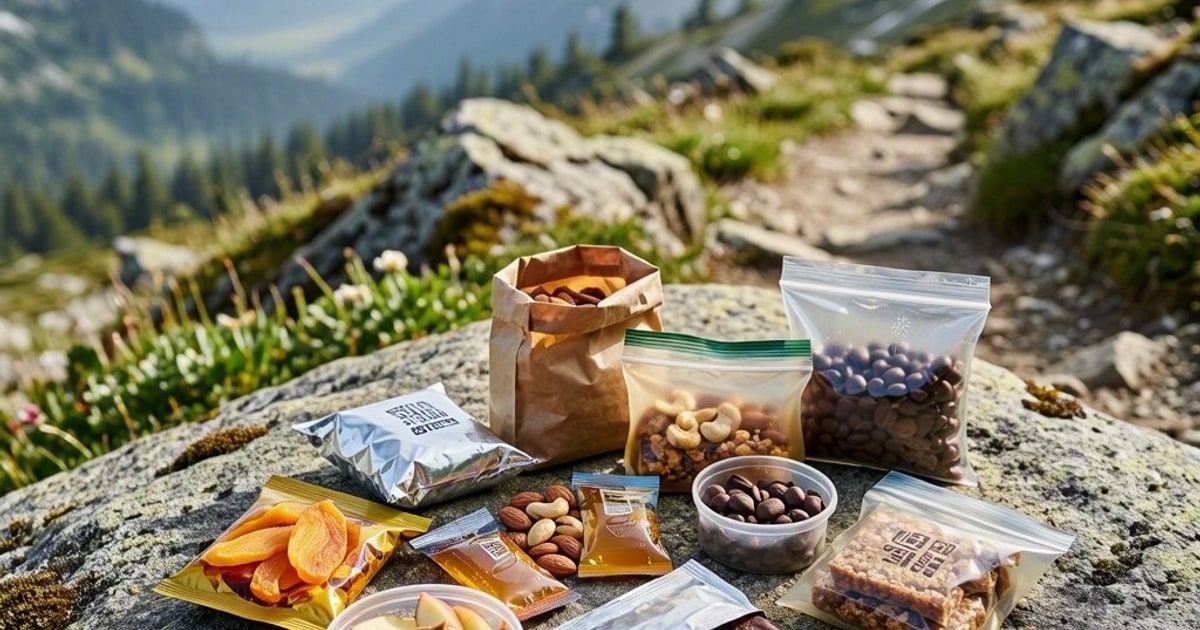
Nothing’s worse than lugging a backpack of uneaten snacks while everyone asks, “What else ya got?” With a little planning, you can pack trail-friendly food that satisfies picky kids, keeps energy up, and doesn’t come home squished. Here’s my dad-tested system for snack success.
The Basics of a Zero-Fail Snack Plan
Whether you’re tackling a family-friendly trail or a more ambitious hike, snacks are non-negotiable. The key to success is balancing nutrition, variety, and portability. Here’s how to get started:
Step 1: Know Your Crew
Every family has its unique quirks. With three daughters, I’ve learned that one will eat anything, one prefers savory over sweet, and the youngest will only eat snacks if they come in a certain color. Before you even start packing, take a moment to consider:
- Preferences: What do your hikers enjoy eating? Involve them in the planning process to ensure they’ll actually eat what you pack.
- Portions: How long is the hike, and how much energy will everyone need? A short trail might only require a granola bar, while a full-day trek calls for more substantial fuel.
- Allergies or dietary restrictions: Always double-check ingredients if anyone in your group has allergies or specific dietary needs.
Step 2: Choose the Right Snacks
Here’s my tried-and-true list of hiking snacks that hit the sweet spot between health, taste, and portability:
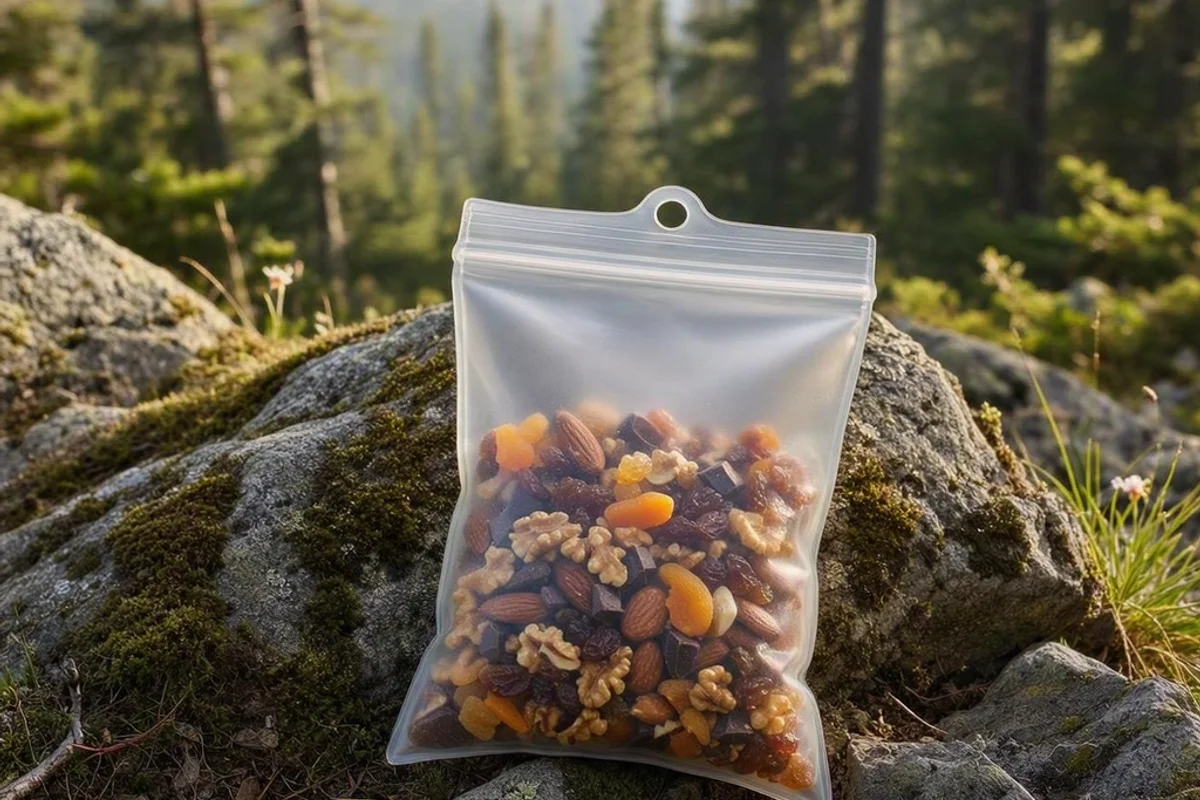
- Trail Mix: A classic for a reason. You can make your own mix with nuts, dried fruit, and a few chocolate chips for a treat. Use reusable snack bags to cut down on waste.
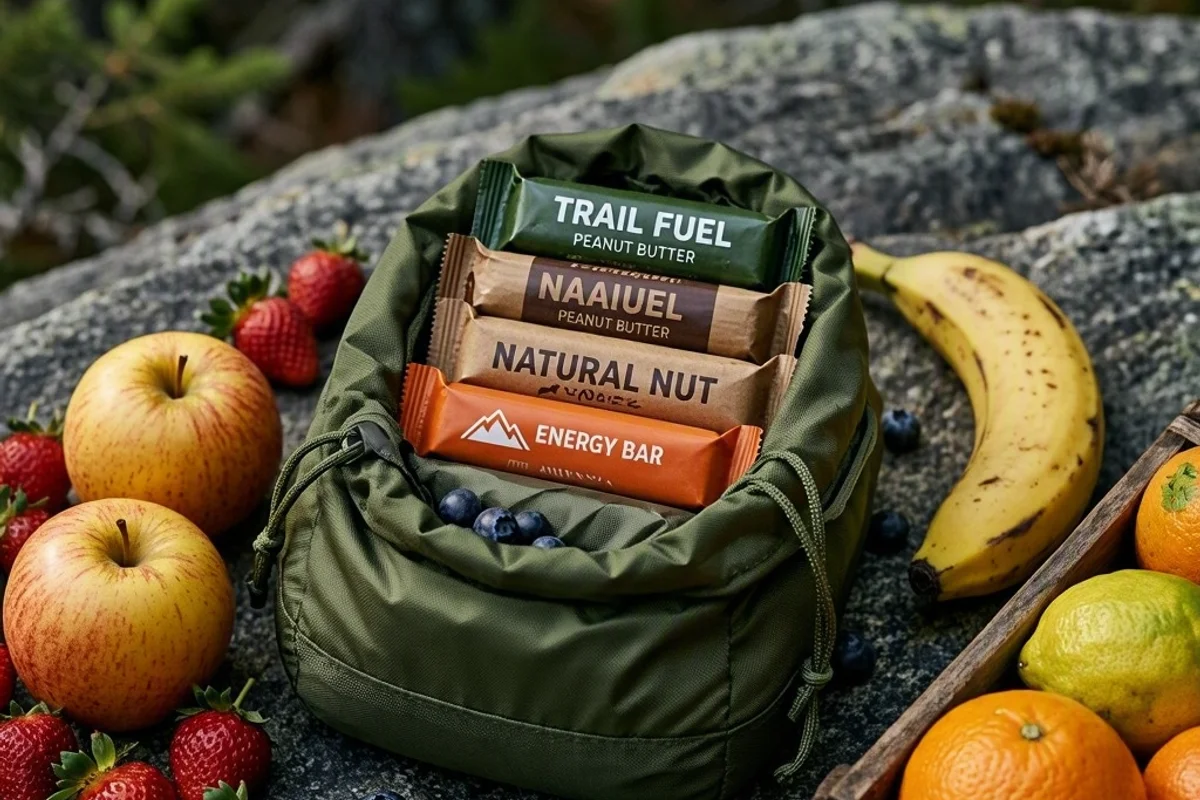
- Energy Bars: Look for options that are high in protein and low in added sugar. I swear by Clif Bars for their variety of flavors and solid energy boost.
- Fresh Fruit: Apples and oranges travel well and don’t require refrigeration. For a more compact option, try freeze-dried fruit.
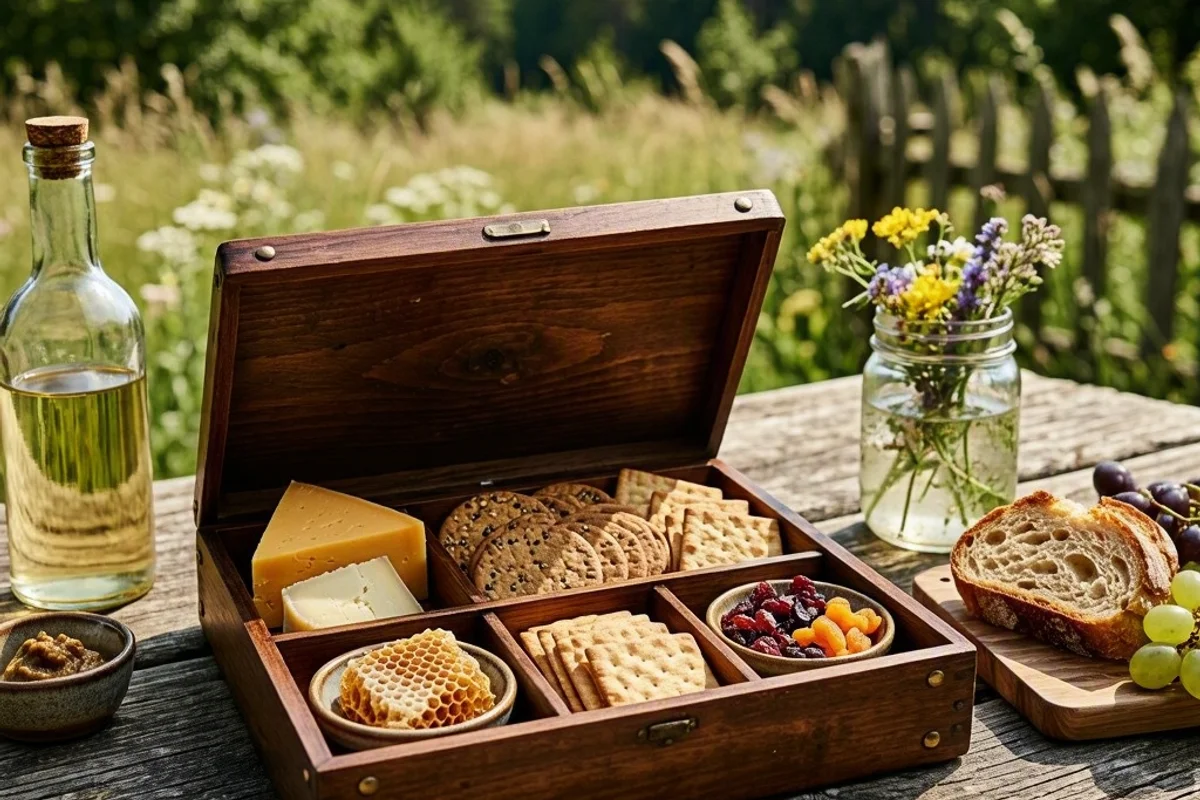
- Cheese and Crackers: Pre-packaged cheese and crackers or DIY snack packs are a hit with my kids. They’re easy to portion and mess-free.
- Veggies with Dip: Carrot sticks, celery, or bell pepper slices paired with a small container of hummus or ranch dressing.
Step 3: Portion and Pack Smart
Once you’ve selected your snacks, it’s time to pack them up. Here are some tips to make sure everything stays fresh and organized:
- Use Divided Containers: Bento boxes or snack-sized compartments help keep foods separate and prevent squishing.
- Label Everything: Especially if you’re hiking with multiple kids. Trust me, labeling avoids arguments over who gets what.
- Consider Temperature: For perishable items like cheese or yogurt, use an insulated lunch bag with an ice pack. I use the PackIt Freezable Lunch Bag for its built-in cooling feature.
Step 4: Test and Refine
The first hike with your new snack system might not be perfect, and that’s okay. Take notes on what worked and what didn’t. Did you pack too much of one thing? Did someone get hungry halfway through? Refine your system after each trip to make it bulletproof.
Advanced Tips for Snack Success
Mix Up the Presentation
Sometimes, how you present a snack can make all the difference. My youngest daughter, Hailey, loves when I use cookie cutters to create fun shapes out of sandwiches or fruit slices. A little extra effort can make even the simplest foods more appealing.
Plan for Emergencies
Always pack a little extra, just in case. A surprise detour or an unexpected delay can quickly turn a well-planned hike into a hangry meltdown. Keep a stash of emergency snacks like jerky or a high-calorie bar at the bottom of your pack.
Keep It Eco-Friendly
Reduce waste by using reusable containers and bags. My go-to for this is Stasher Silicone Bags, which are durable, easy to clean, and great for the environment.
Frequently Asked Questions
How do I keep snacks fresh during a long hike?
Use insulated bags or containers with ice packs for perishable items. For non-perishables, airtight containers are your best bet. Pack items like crackers or chips in crush-proof boxes to keep them intact.
What snacks work best for picky eaters?
Involve picky eaters in the planning process. Let them choose their favorites from a selection of healthy options. Fun presentations, like cutting sandwiches into shapes, can also make snacks more appealing.
How can I pack snacks without creating a lot of waste?
Invest in reusable snack bags, containers, and utensils. Avoid individually wrapped items when possible, and opt for bulk options that you can portion out yourself. This not only reduces waste but often saves money as well.
What to Read Next

Written by Nick Reef
Nick is the Pacific Northwest dad behind OpsHQ Go — software engineer by day, parent of three by night. Everything here is tested first-hand by our family of five (plus three labs and an orange cat): recipes cooked in our kitchen, trails hiked on real weekends, games played at our table.
More about Nick & the family →Found this helpful? Share it!
Get More Shortcuts
Weekly tips, hacks, and adventures delivered to your inbox.