
How to Build a Summer Adventure Game Your Kids Actually Want to Play
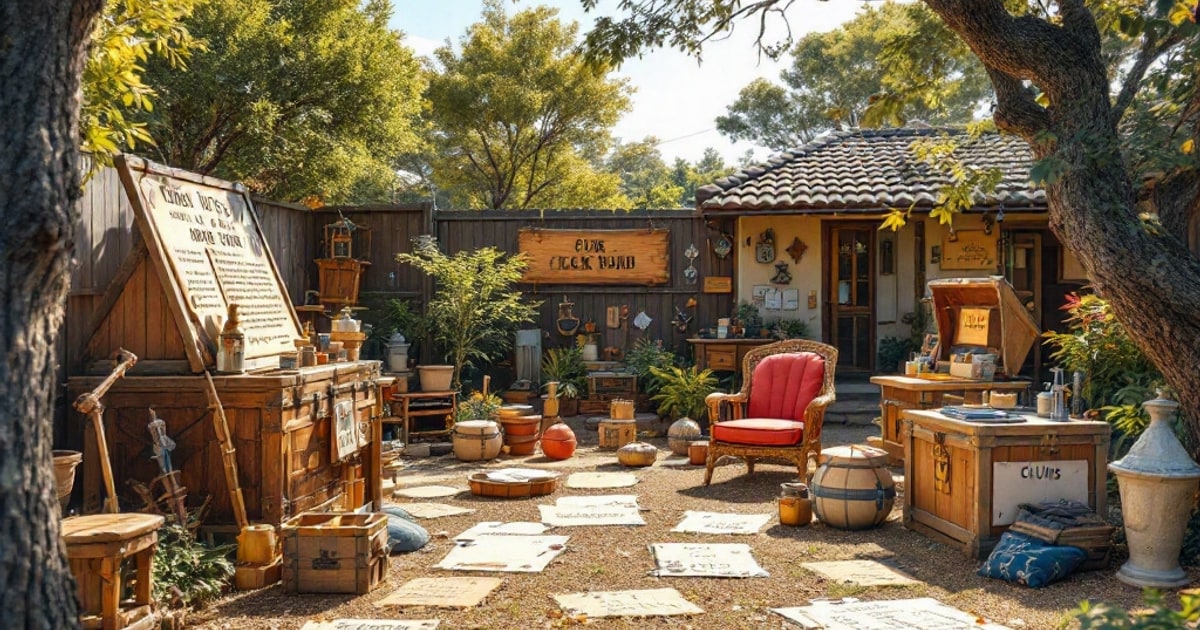
When the kids are home for summer, screens can take over if you’re not careful. Here’s how to design a DIY outdoor adventure game that captivates their imagination and gets everyone outside. No fancy gear needed—just some planning and a little creative energy.
Step 1: Choose Your Adventure Theme
The first step is choosing a theme that resonates with your kids. Are they into treasure hunts, spy missions, or nature exploration? For my three daughters, themes like “Lost Treasure of the Cascades” or “Secret Agents of the Backyard” have been big hits. Keep it simple but engaging—tie the theme to their interests or a favorite book.
Supplies You’ll Need
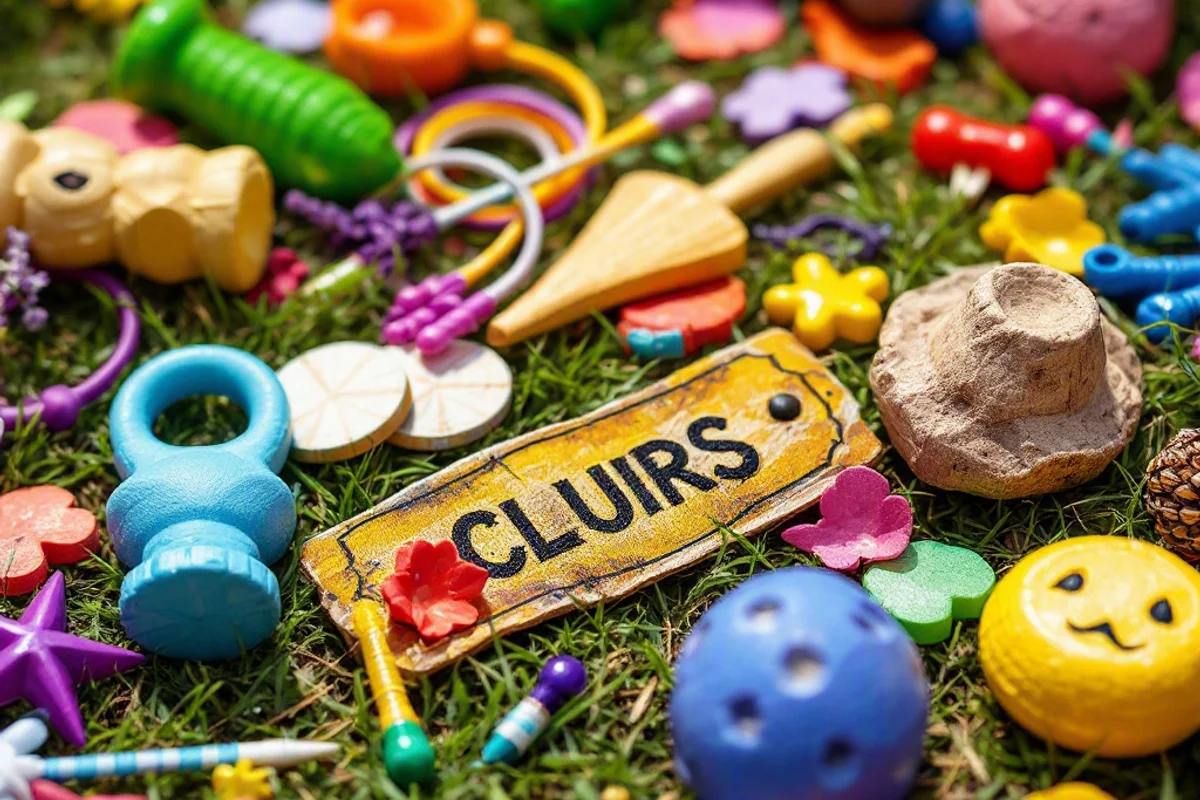
- Clue cards: Printable templates or index cards work great.
- Markers and flags: Use items like colored flag markers to designate key locations.
- Small prizes: Stickers, toys, or even homemade coupons for fun rewards.
- Props: A treasure chest (or a shoebox wrapped in foil), magnifying glasses, or DIY maps.
Step 2: Map Out Your Game Space
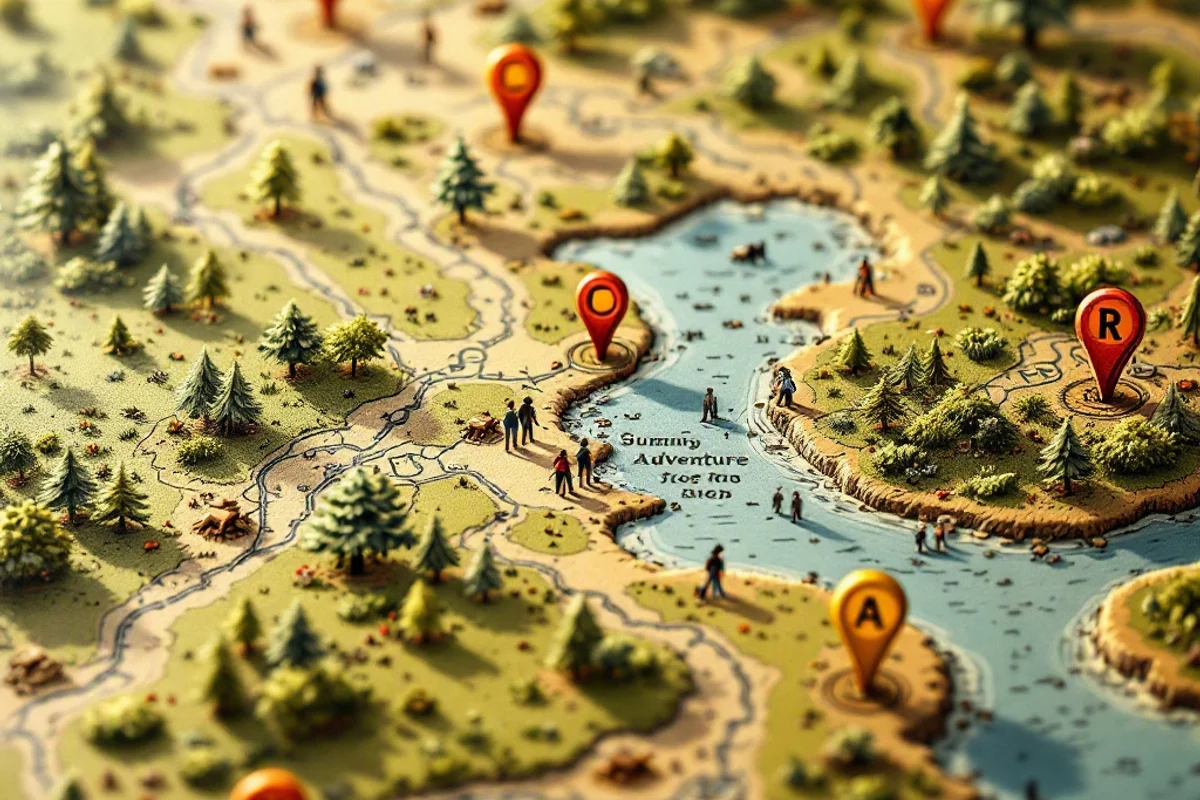
Whether it’s your backyard, a local park, or even a hiking trail, map the space carefully. For backyard games, I sketch out zones like the garden, patio, and tree area. For parks, I use landmarks like benches, trails, and picnic tables. A simple hand-drawn map adds a fun layer of immersion.
Step 3: Design the Challenges
The heart of the game is the challenges. Mix physical tasks (like “run to the tree and back”) with mental puzzles (riddles or codes). For younger kids, keep it simple—think matching colors or counting objects. Older kids might enjoy deciphering clues or solving mini-mysteries.
Example Challenges
- Scavenger Hunt: Hide items like painted rocks or small toys.
- Puzzle Stations: Set up a table with simple jigsaw puzzles or word games.
- Obstacle Course: Use cones, ropes, or chalk to create paths and hurdles.
Step 4: Add a Storyline
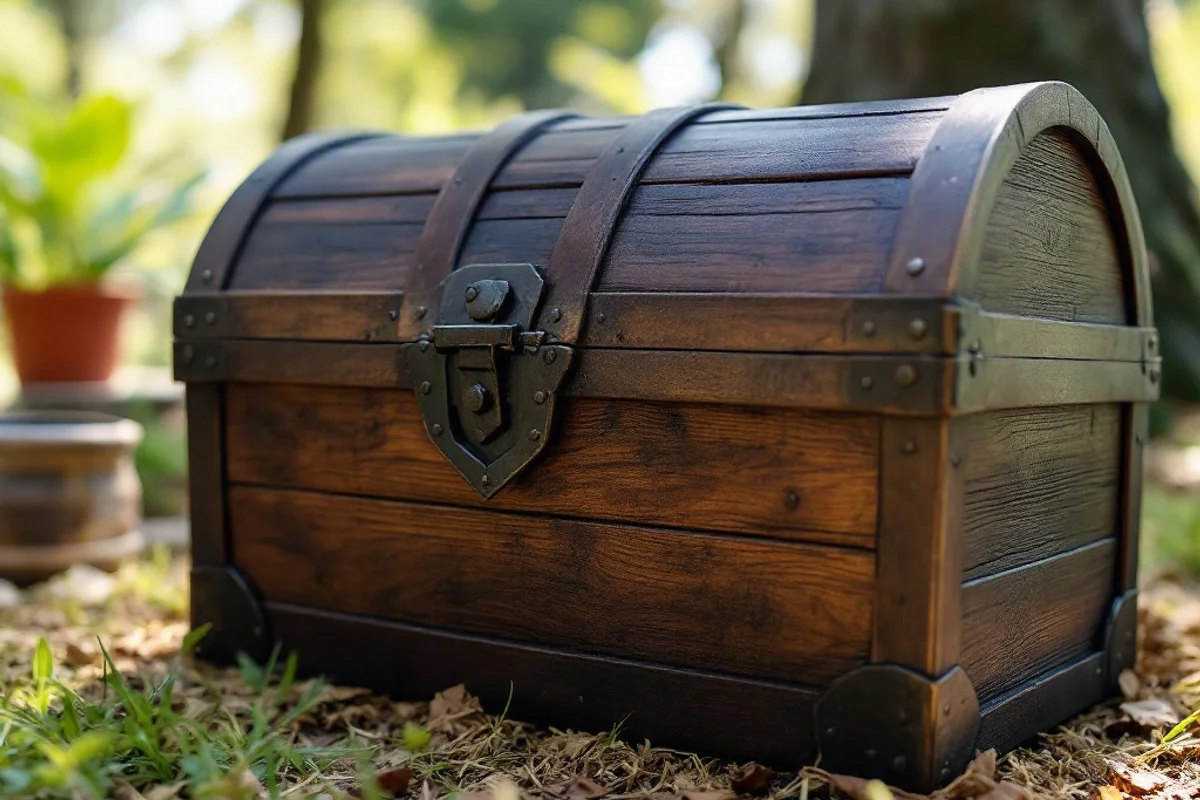
A good storyline ties everything together. For “Lost Treasure of the Cascades,” I wrote a simple narrative about explorers finding clues to unlock a treasure chest. Narrate the story as the kids progress, or leave written prompts at each station.
Step 5: Test and Adjust
Run through the game yourself or with a willing kid (my youngest, Hailey, loves being the guinea pig). This helps catch any confusing instructions or pacing issues. Adjust as needed to keep the flow smooth.
Pro Tips
- Incorporate Nature: Use natural elements like rocks, trees, or flowers as part of the game.
- Keep Safety First: Avoid hazards like thorny bushes or uneven terrain.
- Time It Right: Aim for 30-60 minutes—long enough to engage but not exhaust.
Frequently Asked Questions
What age range works best for adventure games?
These games can be tailored to kids of all ages. For toddlers, focus on simple scavenger hunts and physical tasks. Older kids enjoy more complex puzzles and storylines. My daughters, ranging from 6 to 12, all find ways to enjoy the activities when I balance the difficulty.
How do I keep kids engaged if they lose interest?
Build in variety and quick wins. If one challenge feels too hard or slow, have a backup “bonus round” to re-engage them. Snacks or small rewards also help keep spirits high. My trick: a surprise “hidden treasure” at the end always works.
What supplies are worth buying?
Start with basics like index cards, markers, and small prizes. If you want to elevate the game, props like magnifying glasses or themed decorations add flair.
What to Read Next

Written by Nick Reef
Nick is the Pacific Northwest dad behind OpsHQ Go — software engineer by day, parent of three by night. Everything here is tested first-hand by our family of five (plus three labs and an orange cat): recipes cooked in our kitchen, trails hiked on real weekends, games played at our table.
More about Nick & the family →Found this helpful? Share it!
Get More Shortcuts
Weekly tips, hacks, and adventures delivered to your inbox.