
Game Shelf Reset: Decluttering and Rotating for Maximum Playability
Organize and refresh your family game collection for engaging game nights.
▶ Watch the 30s recap — or browse all reels
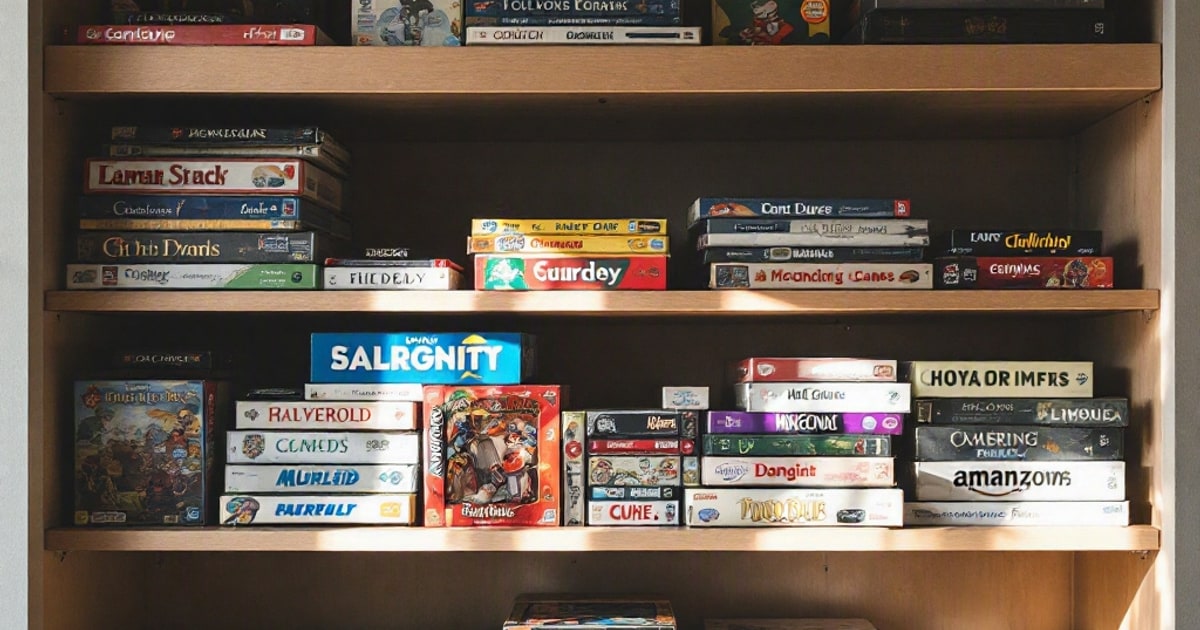
If your family game shelf is starting to look more like a leaning tower of chaos, it might be time for a reset. A well-organized and thoughtfully rotated game collection can breathe new life into family game nights and keep kids engaged without the overwhelm. Let’s sort, streamline, and make space for the games your family actually loves.
Why Decluttering Your Game Shelf Matters
Family game nights are a staple in our house. They bring everyone together, spark laughter, and sometimes ignite a little healthy competition. But over time, the collection grows, and before you know it, the shelf is overflowing with games that haven’t seen daylight in years. Decluttering not only clears physical space but also rejuvenates the excitement around games that truly bring joy.
When summer rolls around in the Pacific Northwest, we often find ourselves balancing indoor and outdoor activities. An organized game shelf ensures that rainy evenings or downtime after hiking trips are filled with easy access to games everyone loves.
Step-by-Step Decluttering Process
1. Empty the Shelf Completely
Start by pulling every game off the shelf. This visual reset helps you see the full scope of what you own. Lay everything out on a large surface like the dining table or a clean floor space.
2. Sort into Categories
Divide games into three piles:
- Keep: Games your family loves and plays regularly.
- Donate: Games that are in good condition but no longer spark interest.
- Recycle/Discard: Games that are damaged or missing critical pieces.
3. Evaluate Each Game
Ask yourself:
- Does this game get played?
- Is it age-appropriate for your kids now?
- Does it fit the vibe of your family game nights?
For example, we recently retired a preschooler’s matching game that my youngest daughter outgrew. Instead, we made room for strategy games like Ticket to Ride, which have become family favorites.
4. Clean and Repair
Dust off game boxes and check for missing pieces. For games we love but are showing wear, I sometimes replace components or upgrade storage with Game Piece Organizer Bins.
5. Create a Rotation System
Keep the collection fresh by rotating games. Store a portion of your games out of sight and swap them out every few months. This trick works wonders for rekindling excitement over “forgotten” games.
Organizing Your Game Shelf
Use Clear Labels
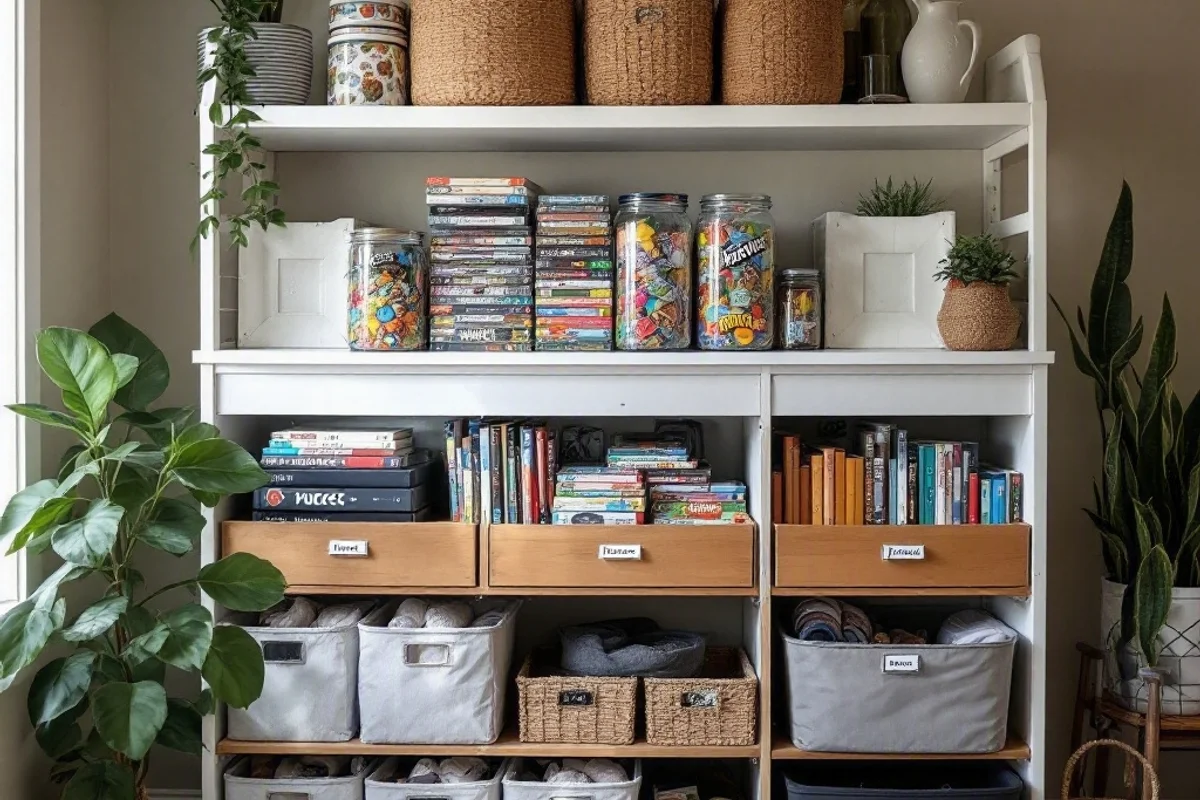
Label shelves or bins for easy sorting. For example, we use baskets labeled “Family Favorites,” “Quick Games,” and “Strategy Night.” It’s a simple system that even the kids can follow.
Invest in Storage Solutions
Stackable bins or vertical shelving can maximize space. I’ve found that Adjustable Shelving Units help keep everything tidy and accessible.
Keep Accessibility in Mind
Place frequently played games at eye level for kids. This encourages them to grab a game independently and reduces the “Dad, where’s the game?” questions.
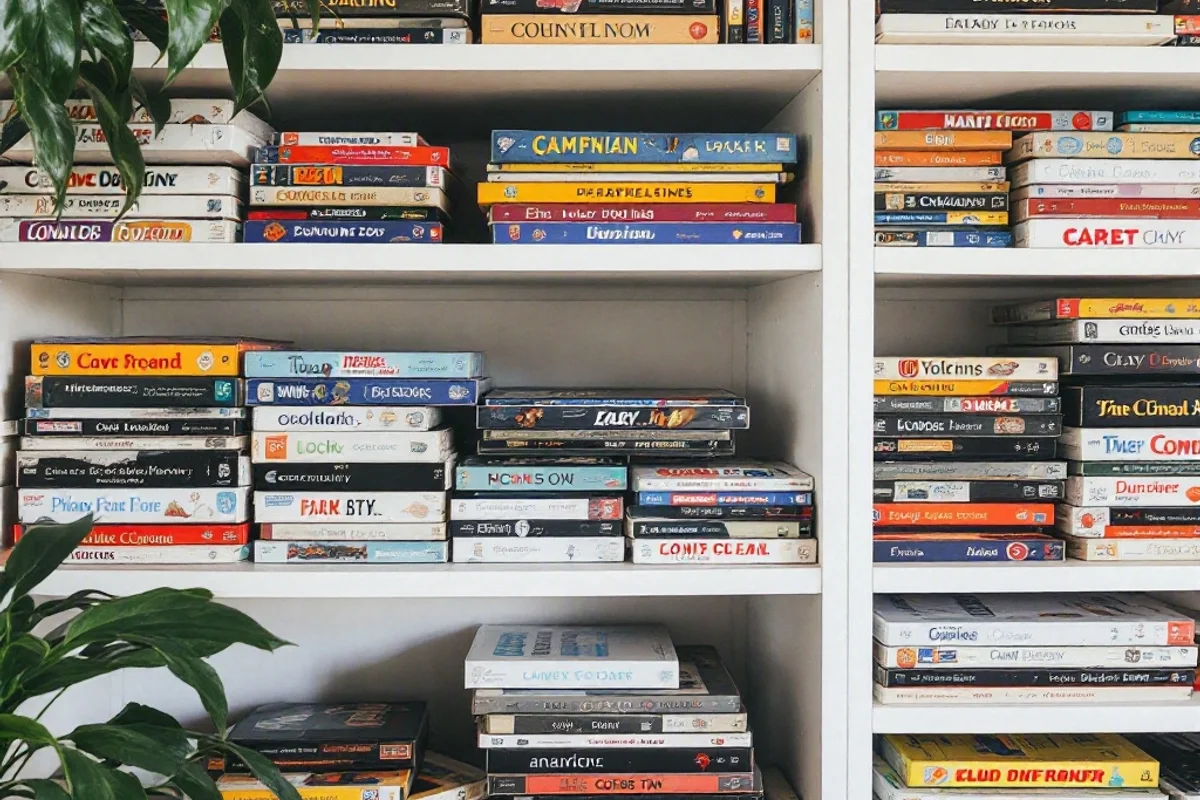
Making Decluttering a Family Activity
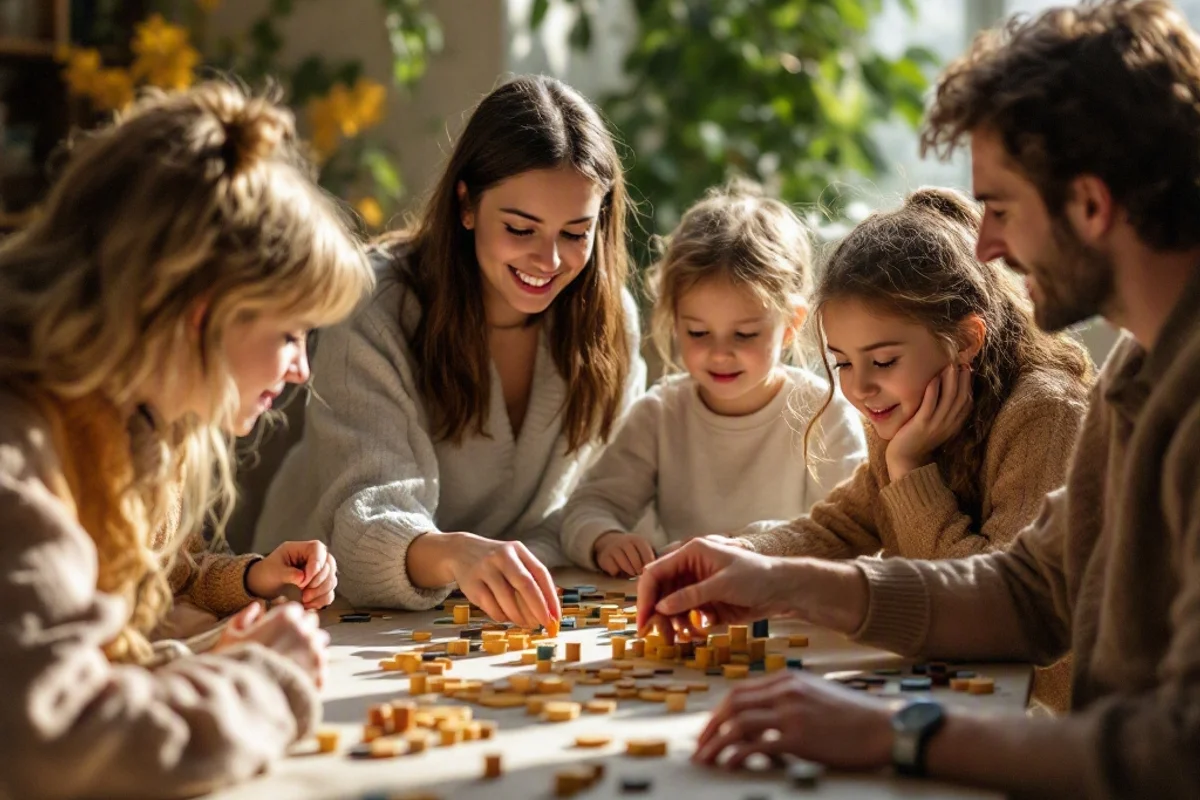
Involving the kids in the process can make it more fun and less of a chore. Here’s how:
Let Them Choose
Ask each child to pick their top three games. This helps prioritize what stays and ensures their favorites are front and center.
Gamify the Process
Turn decluttering into a mini-game. Set a timer and see who can sort the most games in ten minutes. My daughters love turning tasks into competitions.
Teach Donation Values
Explain the importance of donating unused games. It’s a great way to teach kids about sharing and giving back.
Frequently Asked Questions
How often should I declutter the game shelf?
I recommend doing a major declutter once a year, ideally at the start of summer or before the holiday season when new games might enter the mix. Smaller tidy-ups can happen quarterly.
What’s the best way to store games with small pieces?
Use clear bins or divided organizers to keep small pieces together. Storage Bins with Dividers are perfect for card games or games with multiple components.
How do I decide which games to donate?
Donate games that are still in good condition but haven’t been played in over a year. If a game no longer matches your family’s interests or ages, it’s a good candidate for donation.
What to Read Next
- The Art of the Family Game Night Draft: Choosing Games Everyone Actually Wants to Play
- Backyard Bocce Hacks: Turning Your Yard into a Summer Game Zone
- The Summer Gear Reset: How to Streamline Your Outdoor Essentials for Maximum Usability

Written by Nick Reef
Nick is the Pacific Northwest dad behind OpsHQ Go — software engineer by day, parent of three by night. Everything here is tested first-hand by our family of five (plus three labs and an orange cat): recipes cooked in our kitchen, trails hiked on real weekends, games played at our table.
More about Nick & the family →Found this helpful? Share it!
Get More Shortcuts
Weekly tips, hacks, and adventures delivered to your inbox.