
How to Plan a Road Trip: Complete Step-by-Step Guide (+ Free Checklist)
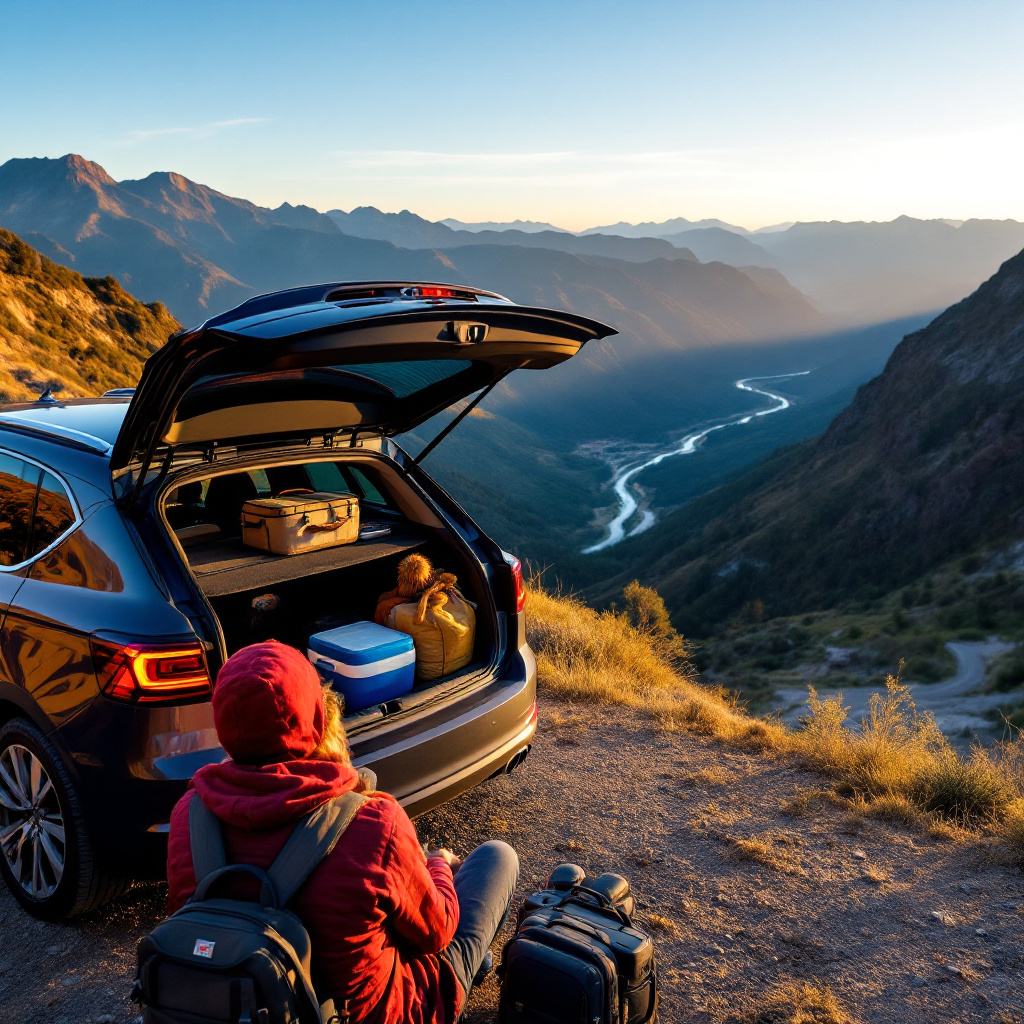
The American road trip is one of the last great democratic vacations. No boarding passes. No baggage fees. No TSA pat-downs. Just load the car, pick a direction, and drive until you find something worth stopping for.
But a great road trip doesn’t happen by accident. The ones that become family legends — the ones your kids still talk about at Thanksgiving a decade later — are planned just enough to avoid disasters while leaving room for the unexpected detours that become the best stories.
Here’s how to plan one, step by step.
Phase 1: Route and Timeline
Pick a Shape, Not Just a Destination
Most road trips fail because they’re planned as a straight line: drive 12 hours to a destination, spend two days there, drive 12 hours home. Everyone’s exhausted. Nobody saw anything interesting. You could have flown.
Instead, plan a loop or a figure-eight. Drive 3–4 hours, stop somewhere interesting, drive another 3–4 hours, stop again. The journey IS the trip.
The 3-Hour Rule
With kids, never plan more than 3 hours of continuous driving. With adults only, you can push to 4–5. Build your route around this constraint and you’ll avoid the “are we there yet” death spiral.
A sample 5-day loop might look like:
| Day | Drive Time | Activity |
|---|---|---|
| Day 1 | 3 hours | Drive to stop #1, explore afternoon |
| Day 2 | 2 hours | Short drive, full activity day |
| Day 3 | 3 hours | Drive to stop #2, sightseeing |
| Day 4 | 3 hours | Drive to stop #3, local attraction |
| Day 5 | 3–4 hours | Drive home with a lunch stop |
Total driving: 14–15 hours spread over 5 days. Compare that to sitting on a highway for 10 straight hours each way.
Route Planning Tools
Google Maps is fine for navigation, but for route planning, use Roadtrippers or Google My Maps. Both let you plot multi-stop routes, discover roadside attractions, and estimate drive times with stops factored in.
Drop pins on everything that looks interesting, then narrow down to the realistic schedule. Over-planning is better than under-planning — you can always skip a stop, but you can’t manufacture interesting options at 4 PM when everyone’s bored.
Phase 2: Budgeting
Road trips are cheaper than flying but not free. Here’s a realistic budget framework:
The Big Three Costs
| Category | Budget Per Day | Notes |
|---|---|---|
| Gas | $40–$70 | Depends on vehicle and distance |
| Lodging | $80–$150 | Hotels, cabins, or campgrounds |
| Food | $60–$100 | Mix of restaurants and packed meals |
For a 5-day trip with a family of four, expect $900–$1,600 total. That’s roughly half the cost of flying to a comparable destination and staying in hotels.
How to Cut Costs Without Cutting Fun
- Pack a cooler. A portable travel cooler with sandwiches, fruit, and drinks cuts your food budget by 30–40%. See our best road trip snacks guide for exactly what to pack and how to organize a snack system that lasts the whole drive.
- Mix lodging types. Two nights in hotels, two nights at campgrounds or Hipcamp spots. Camping nights save $100+ each.
- Gas up at Costco or in small towns. Highway exit gas stations charge a 20–30 cent premium per gallon.
- Free attractions exist everywhere. National forests, state parks (usually $5–$10 entry), historic town squares, scenic overlooks, local parks with playgrounds.
Phase 3: The Car Setup
A well-organized car is the difference between a pleasant trip and a mobile argument. Invest 30 minutes before departure getting the cockpit right.
Driver Zone
A solid phone mount for your car is non-negotiable. Mounted at eye level, it keeps navigation visible without anyone holding a phone. Pair it with a multi-port car charger so every device stays powered all day. A dead phone mid-navigation on a back road is not fun.
Pro tip: Download offline maps for your entire route before you leave. Cell service is unreliable in rural areas and you don’t want to lose navigation in the middle of nowhere.
Passenger Comfort
Whoever rides shotgun controls the music. Non-negotiable family road trip law.
For long stretches, a good travel pillow lets passengers nap comfortably. The memory foam U-shaped ones work for adults; kids might prefer a seatbelt pillow that lets them lean to the side.
Backseat Sanity
If you have kids, two things will save your trip:
-
A backseat car organizer that hangs on the back of the front seats. Pockets for tablets, coloring books, snacks, water bottles, headphones. Everything they need is within arm’s reach, and nothing is on the floor.
-
Activity rotation. Don’t hand over the tablet immediately. Start with audiobooks or car games, move to coloring/activity books, THEN the screens. Save the screens for the last hour of each driving stretch when patience runs out.
The Trash Situation
A car trash can that hangs from the headrest or center console prevents the inevitable week-long accumulation of wrappers, napkins, and fruit snack pouches. Empty it at every gas stop. A clean car is a happy car.
Phase 4: Packing
Want the full list? We built a complete road trip packing checklist with every item organized by category — car essentials, clothing, toiletries, emergency gear, and more.
The Master Packing Checklist
Documents & Money
- Driver’s licenses
- Insurance cards
- Hotel/campground confirmations (screenshot or print)
- Cash for tolls, campgrounds, and small-town spots that don’t take cards
- Roadside assistance info (AAA or your insurance provider)
Car Essentials
- Spare tire + jack (check pressure before leaving)
- Jumper cables or jump starter
- First aid kit
- Flashlight
- Paper maps as backup (seriously)
- Tire pressure gauge
Comfort & Entertainment
- Pillows and a blanket
- Sunglasses for everyone
- Reusable water bottles
- Snack bins (one savory, one sweet)
- Books, coloring supplies, card games
- Headphones for every person with a device
- Downloaded movies/shows (don’t rely on streaming)
- A Bluetooth speaker for campsite hangouts
Food & Drink
- Cooler with ice
- Sandwich supplies
- Fruit, cut vegetables, cheese sticks
- Trail mix, granola bars
- Coffee supplies if you’re camping
- Reusable bags for grocery runs
Clothing
- One outfit per day plus two extras
- Rain jackets (check weather for every stop)
- Swimsuits if there’s any chance of water
- Layers — mountain towns get cold at night even in summer
- Comfortable walking shoes
Phase 5: The Daily Rhythm
The best road trips follow a loose daily pattern:
Morning
Wake up, eat breakfast (packed or local diner — diners are a road trip institution), hit the road by 9 AM. Do the bulk of your driving in the morning when energy is high and kids are fresh.
Midday
Stop for your planned activity or attraction. Two to three hours of exploring, hiking, swimming, sightseeing — whatever the stop offers. Eat a packed lunch at a scenic spot.
Afternoon
If there’s more driving, do a shorter 1–2 hour stretch. Or settle into your evening campground/hotel early and just relax. Not every moment needs to be scheduled.
Evening
Dinner (local restaurant for the experience — always ask locals for recommendations, never trust Google ratings alone). Then campfire, stargazing, hotel pool, or just crashing early after a big day.
Phase 6: Keeping the Peace
Real talk: people who spend 24/7 in a confined space will irritate each other. Build in escape valves:
- Road trip games. Classic car games keep everyone engaged and off screens. Check our road trip games for kids guide for age-specific recommendations that actually work.
- Solo time. Even 20 minutes of everyone doing their own thing at a rest stop resets the group dynamic.
- The veto rule. Everyone gets one veto per day — one activity they can skip without argument. Prevents resentment.
- Flexible scheduling. If someone finds something amazing at a stop, be willing to scrap the next plan and stay longer. The best road trip memories are unplanned.
- The music compromise. Driver picks one album, then it rotates. Or agree on a podcast everyone likes. Fighting over the aux cord is the #1 cause of road trip friction.
The Gear That Makes a Difference
You don’t need much, but these pull their weight:
- Phone mount — safe navigation without someone holding a phone
- Multi-port car charger — keeps every device alive
- Travel pillow — naps between stops
- Car trash can — prevents the slow descent into filth
- Backseat organizer — everything within reach, nothing on the floor
- Portable cooler — packed lunches save money and time
The One Thing Everyone Forgets
Take fewer photos. Have more conversations.
Your phone will capture the scenic overlook just fine. But nobody photographs the conversation you had with your kid about their fears in a diner booth in rural Tennessee. Nobody captures the joke that became an inside reference for the next five years. Nobody photographs the feeling of driving into a sunset with the windows down and everyone singing badly.
Those are the moments that make a road trip worth taking. Make sure you’re present for them.
Road Trip Planning FAQ
How do you plan a road trip step by step? Start with your route shape (loop or figure-eight, not a straight line). Map stops every 3 hours of driving. Budget $180–$320 per day for a family of four (gas + lodging + food). Pack a cooler for lunches to cut food costs by 30–40%. Organize the car with a phone mount, chargers, backseat organizer, and a trash can. Download offline maps before you leave.
How many hours should you drive per day on a road trip? With kids, cap driving at 3 hours per stretch and 6 hours total per day. Adults can handle 4–5 hour stretches. Build in at least one significant stop (not just a gas station) every 3 hours to break up the monotony and give everyone a chance to move around.
How much does a 5-day road trip cost? A 5-day road trip for a family of four typically costs $900–$1,600. The three biggest expenses are gas ($40–$70/day), lodging ($80–$150/night), and food ($60–$100/day). You can cut costs significantly by packing lunches, mixing in campground nights, and hitting free attractions like national forests and scenic overlooks.
What are the best road trip planning apps? Roadtrippers is the best for discovering attractions and building multi-stop routes. Google My Maps works well for custom route planning with pins. Google Maps handles real-time navigation. Download offline maps for your entire route — cell service drops in rural areas and you don’t want to lose navigation on a back road.
How do you keep kids entertained on a road trip? Rotate activities instead of handing over a tablet immediately. Start with audiobooks or car games (license plate game, 20 questions), then move to coloring or activity books, then screens for the last hour. A backseat organizer keeps everything within reach. Pack individual snack bags so there’s no fighting over the shared bag.
What should you always pack for a road trip? Beyond clothes and toiletries: phone mount, car charger, first aid kit, paper maps as backup, cooler with snacks and drinks, reusable water bottles, flashlight, trash can for the car, entertainment for every passenger, and downloaded offline maps. Check tire pressure and fluids before you leave.
What’s the best road trip you’ve ever taken — and what made it unforgettable? I’m building a list of must-drive routes and would love your picks.
Frequently Asked Questions
How do you plan a road trip step by step?
- Pick your destination and rough route. 2. Decide how many days you have. 3. Plan your stops every 2-3 hours of driving. 4. Book accommodation for each night (or plan camping spots). 5. Budget for gas, food, and activities. 6. Create a packing list. 7. Download offline maps. 8. Build a playlist. That’s it — don’t over-plan the details.
How many hours should you drive per day on a road trip?
4-6 hours of driving per day is the sweet spot for most families. That’s enough to cover 200-350 miles while leaving time to actually enjoy stops along the way. Marathon 8-10 hour driving days are miserable for everyone, especially kids. If you need to cover long distances, split it into a morning drive and an afternoon drive with a 2-hour midday break.
How much does a road trip cost per day?
Budget roughly $100-200 per day for a family of four: $30-50 for gas, $50-100 for a hotel/campsite, and $30-50 for food. National park entry is $35 per vehicle (or $80 for an annual pass that covers all parks). Activities, souvenirs, and unexpected stops add up — budget an extra 20% buffer.
What are the best road trip planning apps?
Google Maps (offline maps are essential), Roadtrippers (finds attractions along your route), GasBuddy (cheapest gas prices), iOverlander (free camping spots), and AllTrails (hikes near your route). Download them all before you leave and save your key routes offline.
How do you keep kids entertained on long road trips?
Audiobooks and podcasts beat screen time for engagement — try “Stories Podcast” or “Wow in the World” for younger kids. Pack a road trip activity kit: coloring books, magnetic travel games, snack bags. Play classic car games (license plate game, 20 questions, I Spy). And the secret weapon: surprise bags with small toys/activities revealed every 2 hours.

Written by Nick Reef
Nick is the Pacific Northwest dad behind OpsHQ Go — software engineer by day, parent of three by night. Everything here is tested first-hand by our family of five (plus three labs and an orange cat): recipes cooked in our kitchen, trails hiked on real weekends, games played at our table.
More about Nick & the family →Found this helpful? Share it!
Get More Shortcuts
Weekly tips, hacks, and adventures delivered to your inbox.