
DIY Herb Drying Hacks: Preserve Summer Flavors for Year-Round Kitchen Wins
Learn simple herb drying methods to preserve summer flavors for year-round cooking. Practical tips for busy families and home gardeners.
▶ Watch the 30s recap — or browse all reels
Why Drying Herbs at Home is a Game-Changer
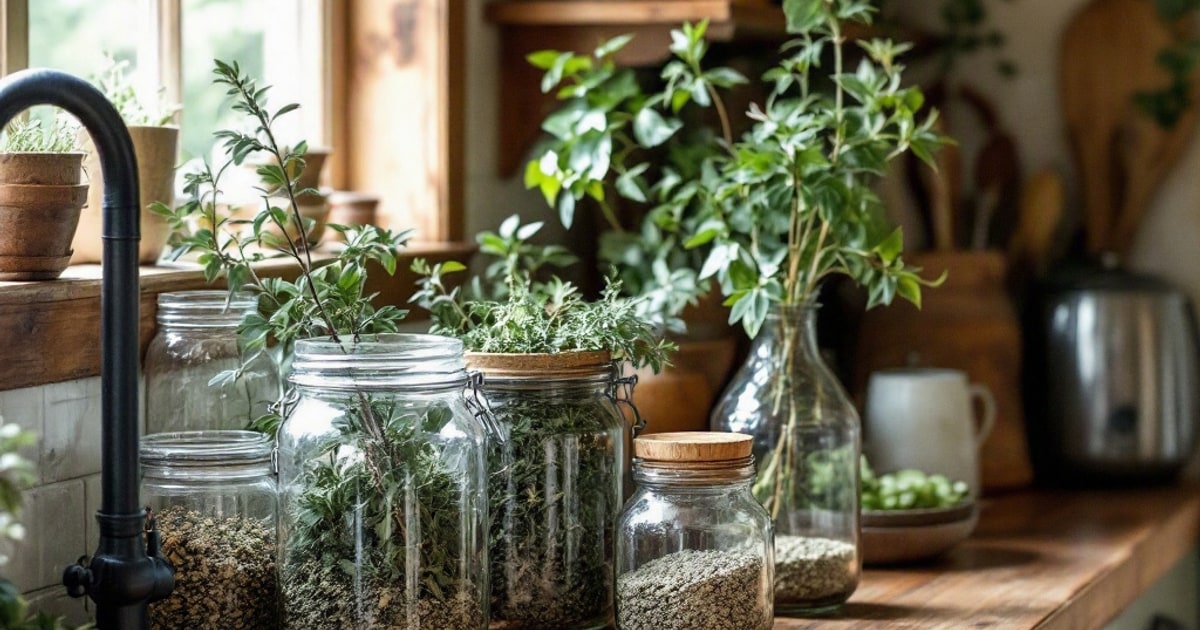
Summer gardens in the Pacific Northwest are at their peak, and if you’re like me, your basil, rosemary, and mint are practically begging to be preserved before the rains return. Drying herbs at home isn’t just about saving money—it’s about capturing the vibrant flavors of summer to elevate your cooking all year long. Plus, it’s an easy project to tackle with the kids during their break.
Methods for Drying Herbs
Drying herbs doesn’t require fancy gadgets or a ton of space. Here are three tried-and-true methods I use:
1. Air Drying
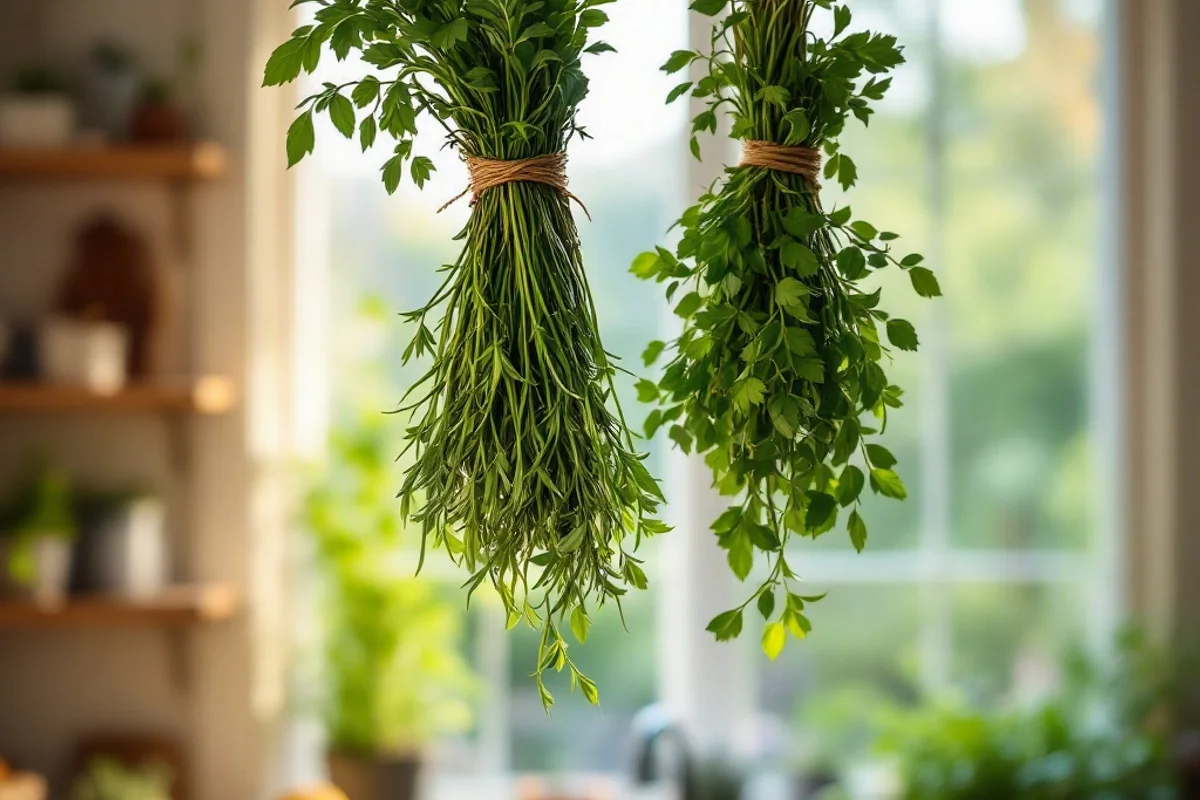
Probably the simplest method. Gather your herbs into small bundles, tie them with twine, and hang them upside down in a warm, dry place. I use the laundry room since it’s out of the way. Pro tip: Wrap the bundles loosely in paper bags with holes punched in them to keep dust off.
2. Oven Drying
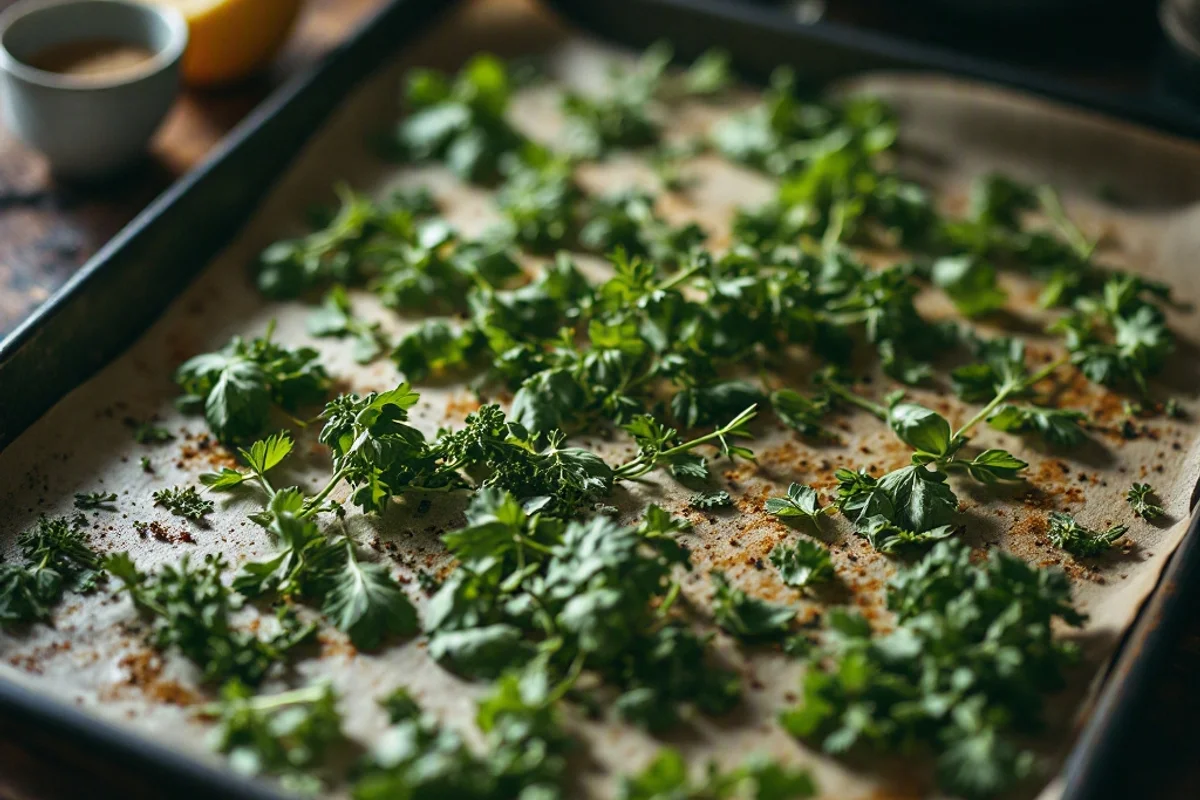
If time is tight (and let’s face it, it often is), the oven is your friend. Arrange the herbs on a baking sheet in a single layer and set the oven to its lowest temperature—usually around 170°F. Check them every 10 minutes to avoid scorching.
3. Using a Dehydrator
A Food Dehydrator is an excellent investment if you plan to dry herbs regularly. It’s faster than air drying and gentler than the oven. I’ve used mine for everything from oregano to fruit leather.
Best Practices for Storing Dried Herbs
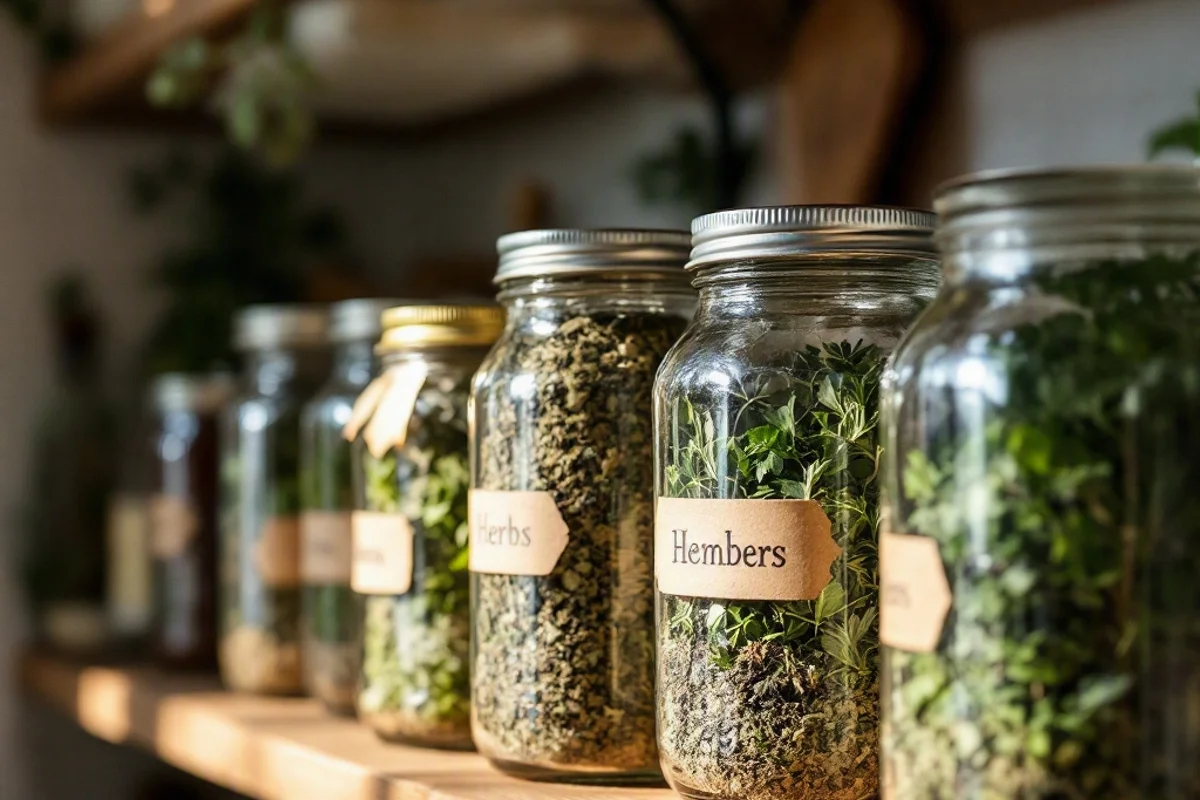
Once your herbs are dry, storage is key to keeping their flavor intact. I use glass jars with tight-fitting lids—bonus points if they’re labeled. A Label Maker is a lifesaver for this step. Store jars in a cool, dark cabinet to prevent sunlight from fading the color and flavor.
Flavor Pairings and Usage Ideas
Dried herbs are incredibly versatile. Here are some pairing ideas to inspire your cooking:
- Basil: Perfect for pasta sauces, pizza, and soups.
- Rosemary: A natural with roasted meats and potatoes.
- Mint: Ideal for teas, desserts, and even cocktails.
- Thyme: A staple for stews and marinades.
Frequently Asked Questions
How long does it take to dry herbs?
Air drying can take 1-2 weeks, depending on humidity. Oven drying usually takes under an hour, and a dehydrator can finish the job in 4-6 hours. Timing varies by herb type and drying method.
Can I dry herbs in the microwave?
Yes, but it’s tricky. Place herbs between paper towels and microwave on low power in 30-second intervals. It’s fast but easy to overdo, which can scorch the herbs.
What’s the best way to grind dried herbs?
I use a Spice Grinder for even results. A mortar and pestle also works but takes more effort. Grind only what you need to keep the rest fresh.
Do dried herbs lose their flavor?
Over time, yes. Most dried herbs retain peak flavor for about a year if stored properly. After that, they’re still usable but less potent.
Can I dry herbs that are flowering?
It’s better to harvest before flowering, as the oils and flavors are more concentrated. If they’ve already flowered, they’re still usable but may taste milder.
What to Read Next

Written by Nick Reef
Nick is the Pacific Northwest dad behind OpsHQ Go — software engineer by day, parent of three by night. Everything here is tested first-hand by our family of five (plus three labs and an orange cat): recipes cooked in our kitchen, trails hiked on real weekends, games played at our table.
More about Nick & the family →Found this helpful? Share it!
Get More Shortcuts
Weekly tips, hacks, and adventures delivered to your inbox.
You Might Also Like
Cooler Meals for Hot Days: Summer Solstice Dinner Ideas That Won’t Heat Up Your Kitchen
8 min read
📝 recipes-kitchenThe Forgotten Freezer: A Practical Guide to Reviving Hidden Meal Prep Gold
8 min read
📝 recipes-kitchenBatch-Freezing Summer Smoothies: Save Time and Keep Kids Cool All Season
8 min read